




In the palace of intangible heritage crafts of old Beijing, red sandalwood carving stands out as a unique symbol of imperial aesthetics and the pinnacle of traditional Chinese Woodworking, with the dignity and luxury of “an inch of red sandalwood is an inch of gold, and each cut embodies imperial spirit”. This traditional craft, using rare red sandalwood as raw material, has a history of hundreds of years. Evolving from a royal craft in the Ming and Qing dynasties to an intangible heritage treasure with both collection and artistic value, it not only carries the warm texture of red sandalwood but also reflects the Chinese woodworking philosophy of “harmony between man and nature”. For foreign travelers, exploring red sandalwood carving is an excellent way to understand Chinese imperial art and traditional woodworking wisdom.
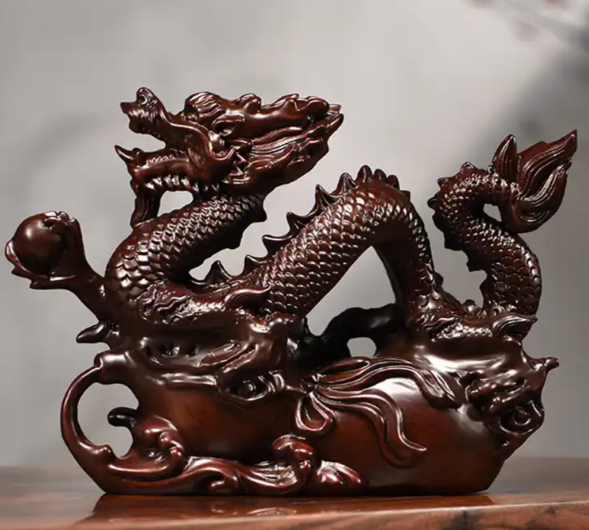
The history of Beijing red sandalwood carving is deeply bound to the Ming-Qing imperial court Culture, and its rise and prosperity are inseparable from the royal family’s admiration and support. In the mid-Ming Dynasty, red sandalwood was introduced to China through maritime trade. Due to its hard and dense texture, warm and thick color, delicate and smooth grain, as well as being imperishable and brighter with polishing, it was selected as the royal wood. The red sandalwood carving craft emerged accordingly, mainly used for making imperial furniture, decorative ornaments and architectural decorations. During the Qianlong period of the Qing Dynasty, red sandalwood carving ushered in its heyday. The Imperial Workshops gathered top craftsmen from across the country, perfectly integrating carving techniques with mortise and tenon joints to create a large number of surviving treasures, forming an imperial style characterized by “rich and full composition, bold and vigorous knife work, and profound artistic conception”, representing the highest level of Woodworking craftsmanship at that time.
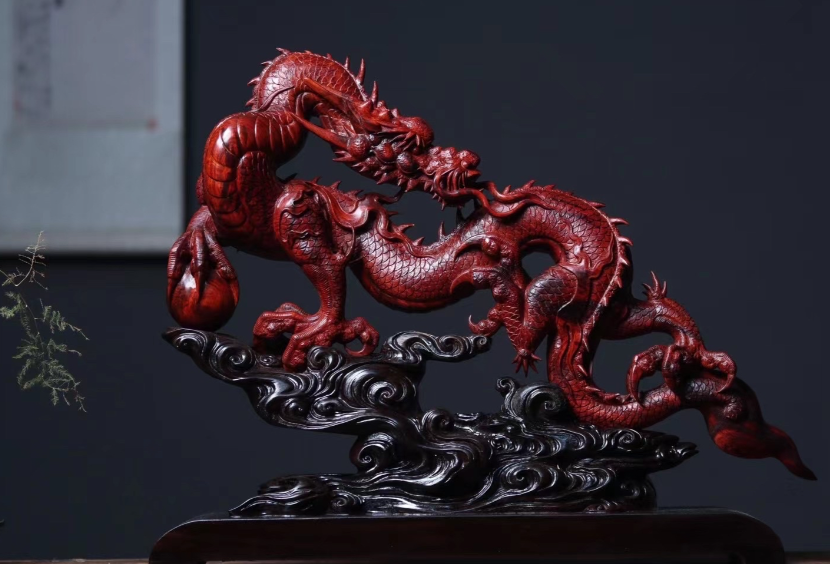
Red sandalwood carving works of this period were not only practical utensils but also carried the royal family’s aesthetic pursuit and auspicious implications. Sanyou Xuan in the Imperial Garden of the Forbidden City is a classic example. The red sandalwood openwork round screen in the pavilion takes pine, bamboo and plum (the “three friends of winter”) as the theme, with bamboo leaves inlaid with jade pieces. The carving is dense and delicate, echoing the green plants outside the pavilion, fully reflecting the Chinese garden artistic conception of “integration of inside and outside”. The red sandalwood carved cloud-dragon throne displayed in the main hall of Changchun Palace is fully carved with complex cloud-dragon patterns, with smooth and powerful lines. It is spliced with mortise and tenon joints without a single nail, showing imperial majesty and exquisite craftsmanship, and becoming a model of late Qing imperial furniture. Since the Republic of China, red sandalwood carving has gradually moved from the court to the people. Protected and inherited by craftsmen, it has now become a national intangible cultural heritage, continuing the essence of royal craftsmanship.
The exquisiteness of red sandalwood carving lies in the ultimate use of rare raw materials and the perfect integration of diverse crafts. The whole process is rigorous and complex, completed entirely by hand, requiring dozens of procedures from material selection to finished product, which takes a long time and has high requirements for craftsmen’s skills. Raw material selection is extremely rigorous, only selecting high-quality red sandalwood with a growth cycle of hundreds of years. After natural air drying, artificial drying and other procedures, moisture and impurities are removed to ensure the wood is not easy to deform or crack. Then, the wood is cut and sawn according to the shape requirements, laying the foundation for subsequent carving and assembly. Red sandalwood is extremely hard, much harder than ordinary wood, requiring more effort in carving. Each cut needs precise control of strength to present delicate textures on the hard wood surface.
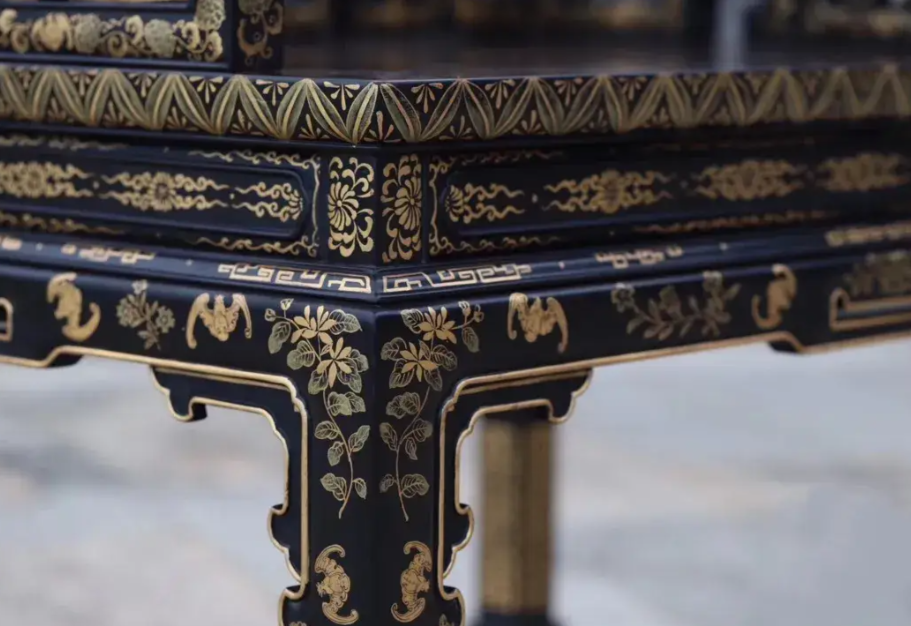
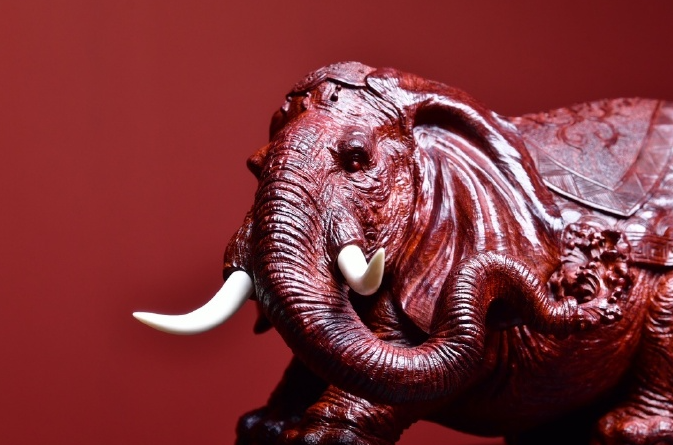
Carving techniques and mortise and tenon joints are the dual souls of red sandalwood carving. In terms of carving, it integrates various techniques such as line carving (positive and negative carving), low relief, high relief, round carving, openwork carving and hair carving, which craftsmen flexibly use according to themes and shapes: line carving outlines the contour with neat and straight lines; relief creates layers with three-dimensional and full patterns; openwork carving achieves the effect of virtual and real coexistence with a distant artistic conception; round carving presents vivid and lifelike forms. The themes mainly include landscapes, flowers, birds, beasts, antiques and cloud dragons, implying good luck, longevity and official prosperity. Mortise and tenon joints are the core of red sandalwood furniture. Through precise calculation, craftsmen make the components fit only by mortise and tenon joints, which are tightly connected without any gaps. They are stable and durable without nails, showing the exquisite “seamless” traditional Chinese Woodworking, which is unattainable by modern mechanical processes.
Today, red sandalwood carving is revitalized under the persistence and innovation of inheritors. Contemporary craftsmen not only fully inherit traditional carving techniques and mortise and tenon joints but also focus on the restoration and promotion of skills. They participate in the renovation projects of ancient buildings such as the Forbidden City and the Summer Palace, accurately reproducing Ming and Qing red sandalwood carving treasures and reviving ancient crafts. At the same time, combining modern aesthetic needs, craftsmen innovatively develop small cultural and creative products such as red sandalwood carving pendants and stationery ornaments, integrating royal crafts into daily life and allowing more people to contact and feel the charm of red sandalwood carving. Young inheritors popularize red sandalwood carving knowledge through intangible heritage exhibitions and school lectures, ensuring the inheritance of this craft carrying imperial elegance.
To experience the charm of Beijing red sandalwood carving immersively, core viewing and experience venues are not to be missed. The Palace Museum is the first choice. The red sandalwood openwork round screen in Sanyou Xuan of the Imperial Garden, the red sandalwood carved cloud-dragon throne in Changchun Palace, and various red sandalwood decorations displayed in the Treasure Gallery allow you to intuitively feel the peak level of Ming-Qing imperial red sandalwood carving. Intangible heritage workshops and high-end curio shops in Liulichang display contemporary red sandalwood carving works all year round. Some workshops offer appointments to watch craftsmen carve on site, letting you closely witness the exquisite process of craftsmen carving patterns on red sandalwood with knives as brushes. In addition, the Beijing Arts and Crafts Museum displays rare red sandalwood carving works from past dynasties, from imperial furniture to small ornaments, allowing you to systematically understand the historical evolution and artistic characteristics of the craft.
From a royal craft in the Ming and Qing dynasties to a contemporary intangible heritage treasure, from red sandalwood logs to surviving masterpieces, Beijing red sandalwood carving carries not only a handcraft but also the crystallization of Chinese imperial aesthetics and traditional woodworking wisdom. Every cut hides the balance between strength and delicacy, every mortise and tenon joint reflects the philosophy of harmony between man and nature, and every work continues the luxury and craftsmanship spanning hundreds of years. When you gaze at the complex patterns on red sandalwood, you can understand the Chinese pursuit of ultimate craftsmanship and feel the imperial elegance and Eastern heritage hidden between the wood grain and the carving knife.






暂无评论内容