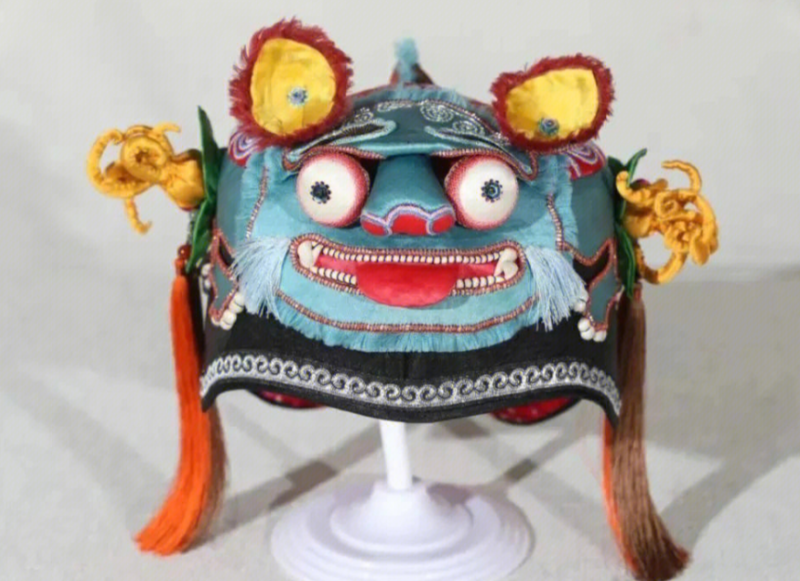





Among the intangible heritage crafts of old Beijing, Beijing Applique Embroidery (also known as Imperial Applique) stands out as a unique imperial handicraft treasure, with the elegant texture of “combining cutting and appliqué with ingenuity, and showing craftsmanship through delicate stitches”. This time-honored craft, using luxurious satin as the material, goes through multiple processes including design, cutting, appliqué and embroidery to create three-dimensional and complex patterns on clothes and decorations. It not only embodies the imperial hierarchy and aesthetic pursuit but also reflects the ultimate attitude of “exquisite craftsmanship” in traditional Chinese handiwork. For foreign travelers, exploring the story of this craft is an excellent way to understand Chinese imperial costume Culture and traditional needlework wisdom.
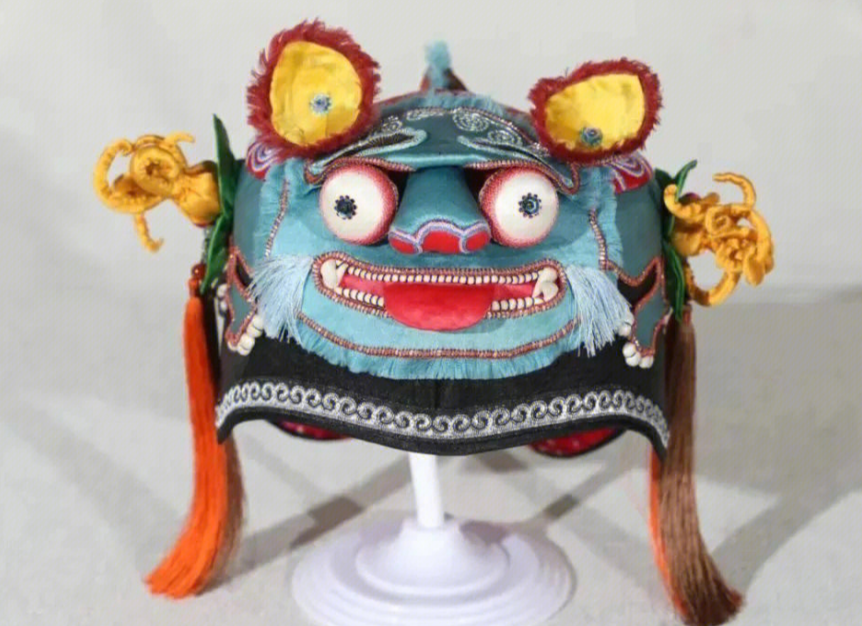
The rise and prosperity of Beijing Applique Embroidery are deeply attached to the etiquette Culture and aesthetic needs of the Ming-Qing imperial court. In the early Ming Dynasty, the craft had taken shape, mainly used for making “rank badges” on official robes. At that time, the court established a strict rank badge system—officials of different ranks wore official robes embroidered with corresponding animal patterns to distinguish grades and show dignity. The appliqué Embroidery craft gradually matured due to the standardized production needs of rank badges, forming an imperial style characterized by “regular composition, rigorous patterns and delicate stitches”. During the Qianlong period of the Qing Dynasty, the craft ushered in its heyday. It was no longer limited to official rank badges but was widely used in imperial costumes, curtains, cushions, screens and other decorations. Craftsmen perfectly integrated traditional embroidery with appliqué techniques, innovating multi-layer appliqué and virtual-real combined techniques. The themes of patterns also became more diverse, covering auspicious patterns such as dragons and phoenixes, flowers and birds, mythical beasts and tangled lotus, showing the magnificent demeanor of the royal family.
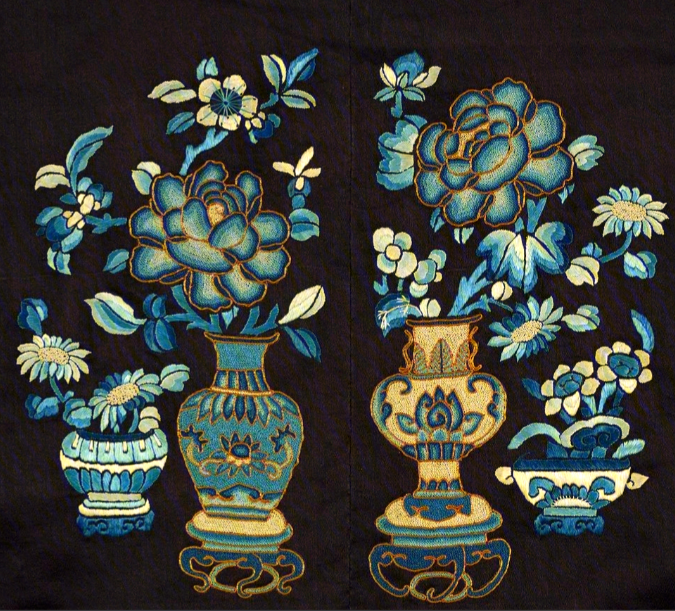
The imperial appliqué treasures of this period are both etiquette symbols and the embodiment of the peak of craftsmanship. The Qing Dynasty prince’s rank badge collected by the Palace Museum uses a sapphire blue satin as the base. Adopting multi-layer appliqué techniques, it weaves gold threads and colored threads to outline vivid five-clawed dragon patterns. The dragon scales are layered with a strong sense of three-dimensionality, and the stitches are so delicate that they are barely visible to the naked eye. The edges are processed with overcasting stitches, which are flat, smooth and not easy to thread off, showing the dignity of the prince’s rank. The appliqué satin curtain preserved in the Palace of Gathered Elegance uses a light pink satin as the base, decorated with tangled lotus and phoenix patterns. Adopting the virtual-real combined technique, the flowers are appliquéd with thick materials to highlight the three-dimensional sense, and the branches and leaves are outlined with thin thread embroidery to be vivid. The overall color is gentle and elegant, fitting the aesthetic of the imperial female residence. Since the Republic of China, imperial craftsmen scattered among the people, and the craft gradually became popular among the public. After several generations of inheritance, Beijing Applique Embroidery was included in the national intangible heritage list in 2008, becoming an important representative of Chinese needlework art.
The exquisiteness of appliqué embroidery lies in the perfect combination of “cutting” and “embroidery”. The whole process is rigorous and complex, completed entirely by hand. From material selection to finished product, it goes through seven core processes: design, material selection, cutting, starching and shaping, appliqué, embroidery and finishing, which have high requirements for the craftsman’s aesthetics, patience and skills. Raw material selection is extremely rigorous: the fabric preferably uses mulberry silk satin with fine texture, warm luster and no easy deformation. The colors need to conform to imperial aesthetics, mainly sapphire blue, bright yellow, crimson, moon white, etc.; the embroidery threads are natural silk threads and gold threads. The silk threads need to be dyed and starched to ensure bright color and sufficient toughness, while the gold threads are used to outline the pattern contours to enhance the sense of luxury. The cutting process is the most test of skill—craftsmen need to accurately cut the fabric according to the pattern, with an error controlled within millimeters, to ensure that the pattern is regular and symmetrical after appliqué.
The dual techniques of “appliqué” and “embroidery” constitute the soul of appliqué embroidery. Different from ordinary embroidery which “uses needles to carry threads and forms by full embroidery”, appliqué takes “cutting and appliqué” as the core, supplemented by embroidery decoration, with a sense of hierarchy and three-dimensionality far exceeding that of traditional embroidery. The core techniques are divided into three categories: first, appliqué technique—accurately attach the cut satin patterns to the base fabric, and neatly overcast the edges with overcasting stitches with uniform stitch spacing to ensure the patterns are firm and the edges are flat; second, multi-layer appliqué—create a layered three-dimensional effect by superimposing satin patterns of different thicknesses and colors, such as the petals of flower patterns, which need to be appliquéd layer by layer to restore the natural shape; third, embroidery decoration—use flat stitch, seed stitch, gold coiling stitch and other techniques to decorate details on the appliquéd patterns, such as leaf veins, flower stamens and dragon scales, making the patterns more vivid and exquisite. Each process needs to be refined, and a complex appliqué work often takes months to complete, highlighting the craftsmanship of “slow work yields fine products”.
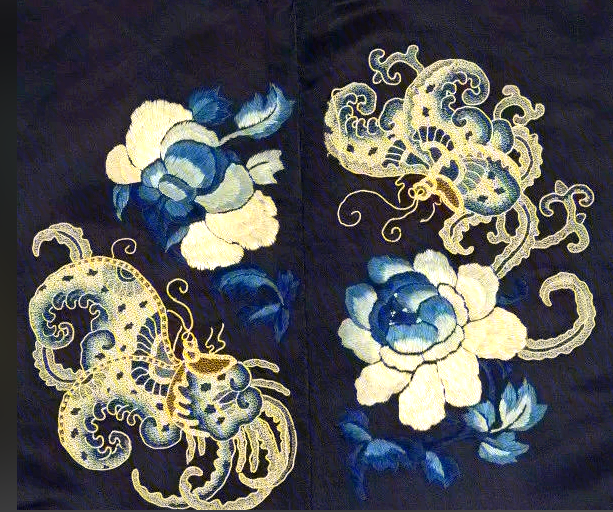
Today, this ancient craft is revitalized under the persistence and innovation of inheritors. Liu Xiuhua, a national-level inheritor, has been deeply engaged in appliqué embroidery for more than 60 years. She learned ancient techniques from the descendants of imperial craftsmen since childhood, not only fully mastering the core techniques of imperial appliqué embroidery but also devoting herself to the restoration and promotion of the craft. She has participated in the restoration of appliqué cultural relics in the Palace Museum, accurately reproducing Ming-Qing rank badges and imperial decorative treasures. Combining modern aesthetic needs, she also innovatively develops appliqué cultural and creative products, integrating traditional patterns into scarves, handbags, decorative paintings and other daily items, bringing imperial craftsmanship into public life. Young inheritors, while adhering to ancient methods, try to combine modern design concepts with appliqué techniques, innovate pattern themes and application scenarios, and popularize the unique charm of this craft through intangible heritage exhibitions and experience courses.
To experience the charm of Beijing Applique Embroidery immersively, core viewing and experience venues are not to be missed. The Palace Museum is the first choice. The Ming-Qing official rank badges displayed in the Treasure Gallery and the appliqué decorations in the Palace of Gathered Elegance and the Palace of Eternal Spring allow you to intuitively feel the peak level of imperial appliqué embroidery and clearly see the exquisite details of the combination of appliqué and embroidery. Intangible heritage workshops and high-end cultural and creative stores in Liulichang display contemporary appliqué works all year round. Some workshops offer appointments to experience basic appliqué processes, allowing you to try cutting and simple appliqué under the guidance of craftsmen, personally feeling the unique fun of “cutting-appliqué-embroidery”. In addition, the Beijing Arts and Crafts Museum displays rare appliqué treasures from past dynasties, from imperial rank badges to folk decorations, allowing you to systematically understand the historical evolution and artistic characteristics of the craft.
From a rank symbol of the Ming-Qing imperial court to a contemporary intangible heritage treasure, from official rank badges to daily cultural and creative products, Beijing Applique Embroidery carries not only a handcraft but also the crystallization of Chinese imperial aesthetics and traditional needlework wisdom. Every cut contains precise consideration, every stitch reflects the craftsman’s ingenuity, and every work continues the luxury and elegance spanning hundreds of years. When you gaze at the appliqué patterns on the satin, you can understand the Chinese pursuit of details and beauty, and feel the Oriental charm hidden between the stitches and the satin.




暂无评论内容