




In the context of old Beijing’s ancient architecture, brick carving stands out as a unique intangible heritage symbol adorning siheyuan courtyards, temples and archways, with the profound charm of “hiding ancient rhyme in one brick and one chisel, and embodying craftsmanship in one knife and one cut”. This traditional craft, using purified mud bricks as raw material, has a history of more than 700 years. Evolving from practical decoration to an art form integrating aesthetics and Culture, it not only embodies the symmetrical beauty of Chinese ancient architecture but also reflects old Beijingers’ expectations for good fortune. For foreign travelers, exploring Beijing brick carving is an excellent way to understand the integration of Chinese ancient architectural decoration art and folk Culture.
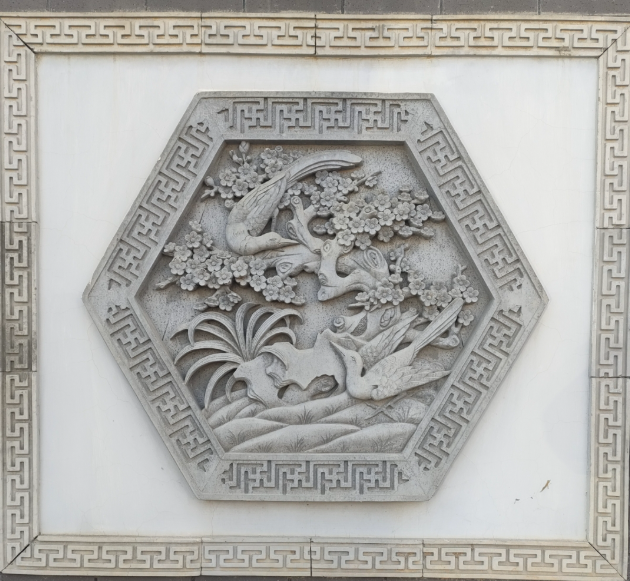
The origin of Beijing brick carving can be traced back to the Yuan Dynasty. With the construction of the Great Capital (Dadu), brick carving began to appear as an architectural decoration element, mostly used on the bases and screen walls of imperial palaces and temples, with simple and primitive geometric patterns. In the Ming and Qing Dynasties, Beijing brick carving ushered in its heyday. With the popularization of siheyuan architecture, brick carving techniques gradually moved from the court to the people, becoming the core decoration of siheyuan lintels, screen walls and gables, forming an artistic style that combines court regularity and folk flexibility. During this period, numerous brick carving craftsmen emerged, and their skills became increasingly exquisite. The themes of patterns also became more diverse, covering auspicious beasts, flowers, birds, fish, insects, historical allusions and folk scenes. Each carving hides implications, such as bats symbolizing “blessing”, peonies symbolizing “prosperity”, and pine, bamboo and plum symbolizing “gentlemanly virtues”.
In the mid-Qing Dynasty, Beijing brick carving formed distinct regional characteristics, known as one of China’s three major brick carving schools together with Shanxi and Huizhou brick carvings. Beijing brick carving is famous for its “exquisiteness, complexity and clear layers”, especially good at creating multi-layer relief and openwork carving on small blue bricks, with a strong three-dimensional sense. At that time, many brick carving workshops gathered in Qianmen and Liulichang areas. Craftsmen not only provided customized carvings for siheyuan courtyards and mansions but also participated in the renovation and decoration of imperial gardens such as the Forbidden City and the Summer Palace, pushing brick carving techniques to the peak. During the Republic of China, affected by wars, brick carving techniques declined, many old craftsmen changed careers, and the inheritance of skills was on the verge of interruption. Fortunately, some craftsmen persisted and retained the core techniques.
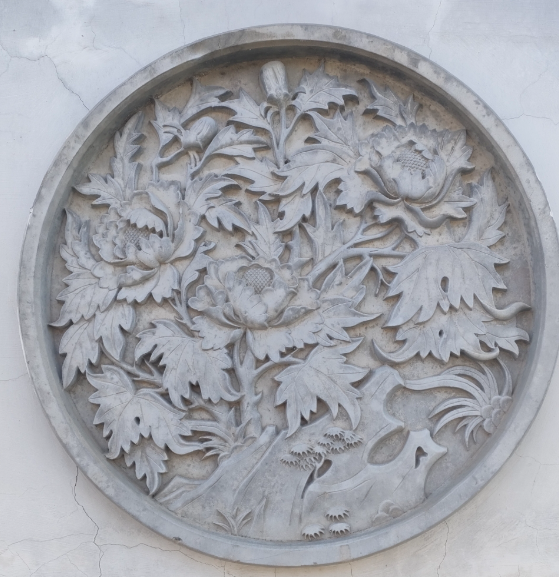
The exquisiteness of Beijing brick carving lies in the ultimate control of raw materials and craftsmanship. The whole process is complex and rigorous, completed entirely by hand, requiring dozens of procedures from material selection to finished product, taking a long time. Raw material selection is extremely rigorous, only using purified mud bricks from the southwest of Beijing. These blue bricks are processed through multiple procedures such as pulp settling, drying and firing, with hard and delicate texture, warm and uniform color, no cracks and no impurities, making them an excellent carrier for carving. After material selection, the bricks need to be repeatedly polished and patterns outlined, then carved through core steps such as blanking, detailing and polishing, and finally seam filling, polishing and waxing to ensure uniform color and smooth lines of the work.
Carving techniques are the soul of brick carving. Beijing brick carving integrates various techniques such as relief, openwork, round carving and line carving, adjusting the style according to the decorative parts. The “central flower” in the middle of the screen wall mostly combines high relief and openwork carving, progressive and lifelike. Common themes such as “Kirin Delivering a Child” and “Crane and Pine for Longevity” have meticulously depicted the expressions and clothes of characters and auspicious beasts; the carvings on lintels and window lattices mainly use line carving and low relief, with neat lines and simple composition, fitting the architectural structure; the carvings on gables and ridges focus on momentum, with regular and symmetrical patterns, echoing the overall architectural style. Carving requires precise control of strength, not only to ensure clear and three-dimensional patterns but also to avoid damage to the blue bricks. A palm-sized blue brick with complex patterns may take months to carve, with each knife embodying the craftsman’s experience and patience.
Today, Beijing brick carving is revitalized under the persistence and innovation of inheritors. Wang Tailai, a national-level inheritor, has been deeply engaged in brick carving for more than 60 years. Influenced by his father since childhood, he learned ancient techniques and not only fully mastered various carving techniques but also devoted himself to the restoration and innovation of skills. He has participated in the renovation projects of ancient buildings such as the Forbidden City and Prince Gong’s Mansion, accurately reproducing Ming and Qing brick carving patterns. At the same time, he integrates modern aesthetics into his creations, developing brick carving pendants, cultural and creative ornaments and other products, making ancient techniques close to contemporary life. Wang Tailai also inherits the craft by accepting apprentices and opening a studio. His studio in Liulichang displays various brick carving works and tools all year round, providing a window for travelers to understand the craft. In 2008, Beijing brick carving was included in the second batch of national intangible heritage list, receiving systematic protection and promotion.
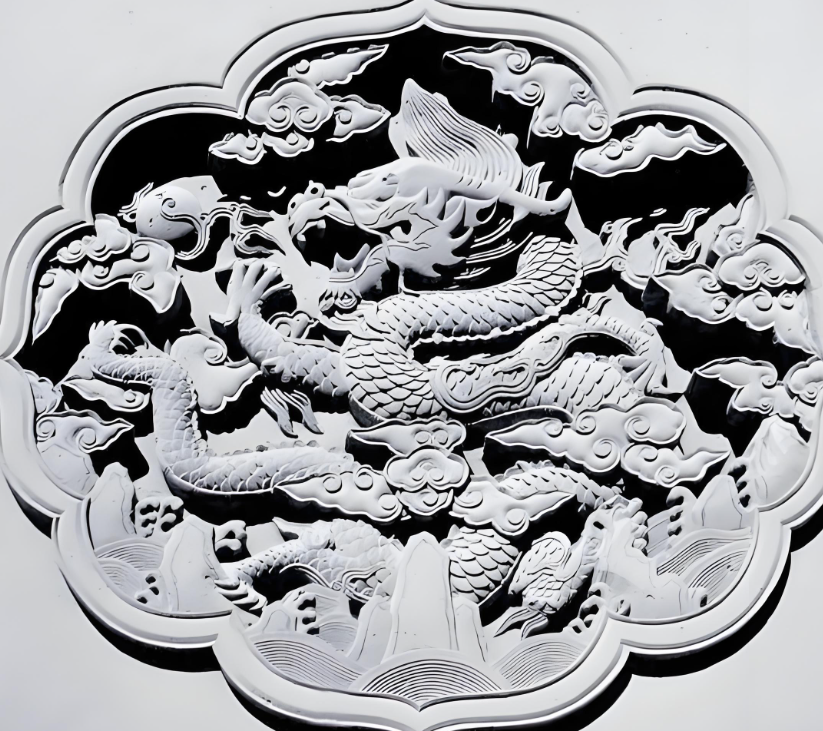
To experience the charm of Beijing brick carving immersively, several ancient buildings and venues are worth visiting. Prince Gong’s Mansion and Prince Chun’s Mansion retain a large number of Qing Dynasty brick carving treasures on their screen walls and lintels. Among them, the “blessing character screen wall” brick carving in Prince Gong’s Mansion has become a classic with complex patterns and auspicious implications. In the siheyuan protection areas of Nanluoguxiang and Shichahai, you can still see well-preserved folk brick carvings, feeling the integration of brick carving and residential buildings. At Wang Tailai’s Brick Carving Studio in Liulichang, you can watch craftsmen carve on site, and even experience simple procedures such as outlining and polishing, personally feeling the craftsmanship on blue bricks. In addition, the National Museum of China and the Beijing Ancient Architecture Museum display brick carving collections from past dynasties, allowing you to systematically understand the historical evolution and artistic characteristics of brick carving.
From the simple patterns of Yuan Dynasty palaces to the complex decorations of Ming and Qing siheyuan courtyards, from ancient building renovation to contemporary cultural and creative products, Beijing brick carving carries not only a handcraft but also the ancient architectural memories of old Beijing and Eastern aesthetics. Every carving hides the pursuit of details, every pattern reflects the warmth of folk customs, and every blue brick continues the cultural context spanning thousands of years. When you gaze at the brick carvings on ancient buildings, you can understand the Chinese wisdom of integrating architecture and art, and feel the craftsmanship and depth hidden in the blue bricks.





暂无评论内容