




Standing in front of the Hall of Supreme Harmony in the Forbidden City, gazing at the majestic dragon throne and vermilion palace walls, a bright yellow mandarin jacket seems to travel through centuries, telling the glory and etiquette of the Qing Dynasty royal family. As the most representative imperial bestowed costume of the Qing Dynasty, the Yellow Mandarin Jacket is not only a symbol of status and merit, but also embodies the integration of royal Culture and Manchu-Han craftsmanship. It is a rare experience carrier for foreign travelers to immerse themselves in Beijing’s royal heritage, with every detail hiding the hierarchical code and ingenuity of the feudal dynasty.
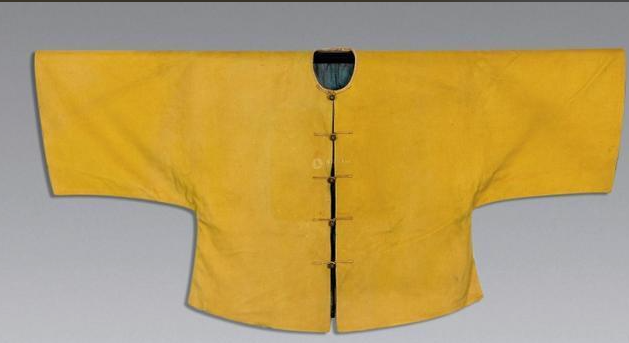
The Yellow Mandarin Jacket is no ordinary costume; its design and color have strict regulations, highlighting the exclusive status of the royal family. In terms of color, bright yellow is exclusive to the royal family, and no one except those granted by the emperor or royal clansmen can wear it without permission. Pale yellow and dark yellow are used by noble collateral branches or for specific occasions, and ordinary people are strictly prohibited from using them. In terms of design, it is a front-opening short mandarin jacket that reaches the waist, with horse-hoof sleeves that can be rolled up for convenience. The body of the jacket has no excessive decorations, mainly made of plain bright yellow satin, inlaid with gilded copper round buttons and plain edges. It retains the practicality of the mandarin jacket while highlighting nobility through color. Some imperial bestowed Yellow Mandarin Jackets are embroidered with characters indicating the reason for the reward and the identity of the recipient inside the placket, becoming a unique historical mark.
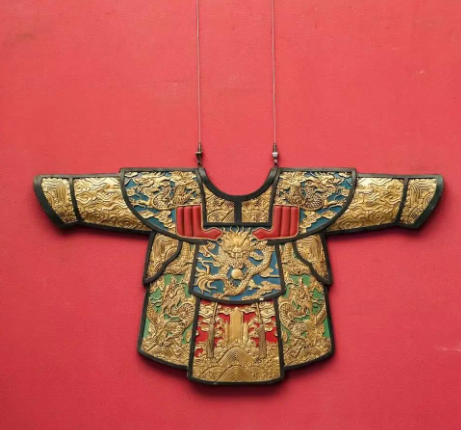
Tracing its history, the Yellow Mandarin Jacket originated from the Qing Dynasty royal hunting and military reward system. Initially, it was the exclusive travel costume for ministers accompanying the emperor on inspections and hunts, facilitating horseback riding and hunting while highlighting the unity of the royal ceremonial guard. Later, it gradually evolved into an important symbol of imperial rewards for merit, divided into three categories: rewards for hunting achievements, military exploits, and special envoys. Recipients could wear it on major occasions, which was both a manifestation of glory and an extension of imperial power. This system continued until the end of the Qing Dynasty, becoming an important part of the Qing etiquette Culture.
It is worth noting that there are strict restrictions on the wearing occasions of the Yellow Mandarin Jacket. Recipients could not wear it casually, only on formal occasions such as court meetings, celebrations, and sacrifices. It needed to be folded and enshrined in daily life to show awe for imperial power. A Yellow Mandarin Jacket awarded for military merit in the Qing Dynasty, collected by the Palace Museum, is made of high-quality bright yellow dark patterned satin, with exquisite horse-hoof sleeves and the characters “Imperially Bestowed” embroidered inside the placket. It witnesses the legendary merits of that year and is a vivid physical example of Yellow Mandarin Jacket Culture.
To experience the Yellow Mandarin Jacket today, one must rely on time-honored brands that inherit imperial costume craftsmanship, which not only restore the essence of the design but also abide by cultural etiquette. Rui Fuxiang, a century-old silk shop, has fully inherited the production techniques of Qing Dynasty imperial costumes. Its replica Yellow Mandarin Jackets strictly follow ancient systems, using custom bright yellow satin, and the details such as horse-hoof sleeves and buttons are restored according to collected cultural relics. At the same time, it is clearly marked as “Cultural Experience Replica” to avoid usurpation. Its Qianmen Store (No. 5 Dashilan Street, Xicheng District, Tel: 010-63035313) provides customization and rental services. Customization requires confirming the purpose in advance (only for cultural experience and photography), with a construction period of 25-40 days. The daily rental price ranges from 500 to 1200 RMB (including supporting official hat and belt), suitable for travelers pursuing high reduction.
Longqingxiang (No. 93 Qianmen Street, Dongcheng District, Tel: 010-63135472) focuses on high-end customization, which can slightly adjust the version according to the traveler’s figure, pursue consistency with ancient costumes in fabric texture, and provide professional wearing guidance, matching with court robes, riding boots and other accessories to create a complete royal ceremonial outfit. It should be noted that replicas of Yellow Mandarin Jackets should not add royal exclusive elements such as dragon patterns and imperial characters, and can only be presented in plain bright yellow to ensure compliance with cultural etiquette and avoid improper use.
Wearing a Yellow Mandarin Jacket requires strict etiquette to show respect for royal culture. First, it is necessary to wear a dark court robe inside and fasten an imperial-style belt. Men can match it with black riding boots and a plain official hat, while women can pair it with a plain jacket and skirt and an embroidered Manchu headdress. The overall shape must be solemn and neat, and modern shoes and accessories are not allowed. For occasions, royal gardens and government sites such as the Forbidden City, Temple of Heaven, Summer Palace, and Prince Gong’s Mansion are the most suitable, which can echo the royal attribute of the Yellow Mandarin Jacket and take photos with a strong historical atmosphere. It can also be worn in traditional cultural performances and intangible cultural heritage festivals to enhance participation and ritual sense. It is not recommended to wear it on daily streets and leisure venues to avoid violating the principle of cultural scene adaptation.
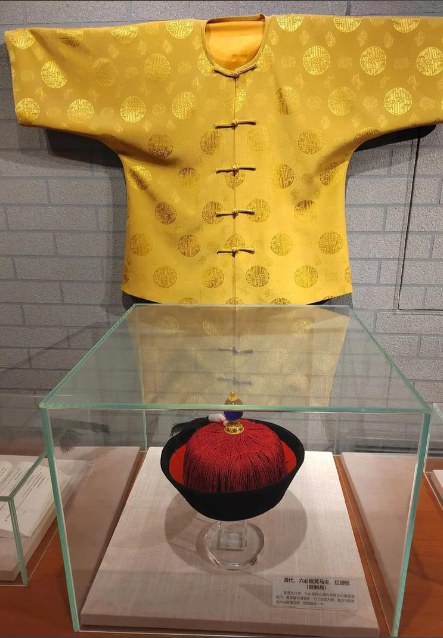
To deepen your understanding of Yellow Mandarin Jacket culture, you can visit the Treasure Gallery of the Palace Museum to view physical examples of different types of Yellow Mandarin Jackets, observe the fabric texture and craftsmanship details up close, and listen to guides tell the historical stories behind the imperial rewards. The Wenchang Courtyard in the Summer Palace houses Yellow Mandarin Jackets from the late Qing Dynasty, allowing you to intuitively feel their style changes in different eras. Some time-honored brands also offer experience courses on making horse-hoof sleeves and frog buttons, where travelers can personally participate in making costume details, experience the exquisite craftsmanship of imperial costumes, and deepen their understanding of Yellow Mandarin Jacket culture.
For photography, in addition to royal scenic spots, ancient cultural blocks such as Qianmen Street and Liulichang are also very suitable. The bright yellow costume, set against the ancient street style, can better highlight the charm of the centuries-old imperial costume. A Yellow Mandarin Jacket is not only a piece of clothing, but also a microcosm of the Qing Dynasty imperial power system and cultural etiquette. With bright yellow as its color and imperial reward as its honor, it carries the hierarchical order and ingenuity of the feudal dynasty.
When you walk in ancient Beijing wearing a replica Yellow Mandarin Jacket, you can not only feel the solemnity and luxury of imperial costumes but also immerse yourself in the temperature of history, leaving a unique royal cultural memory for your trip to Beijing.



暂无评论内容