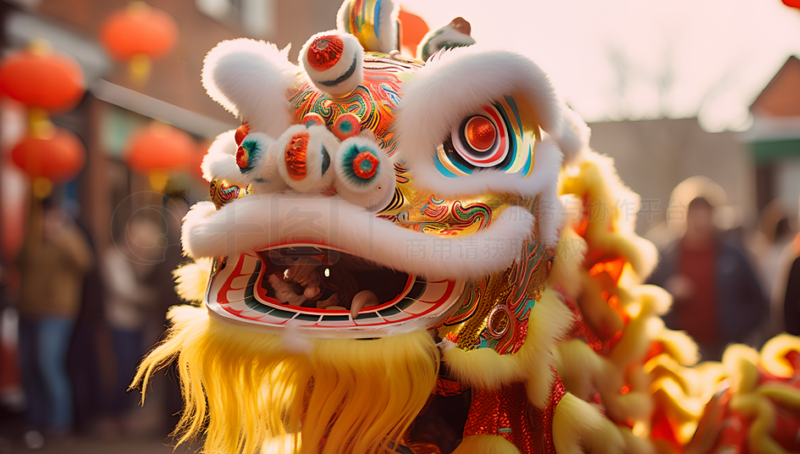





The Spring Festival, the most grand and representative traditional festival in China, carries thousands of years of cultural heritage and family affection. From the first to the fifteenth day of the first lunar month, the whole country is enveloped in an atmosphere of reunion and celebration. Whether in bustling cities or quiet villages, there is a unique “New Year vibe”. For foreign visitors, traveling to China during the Spring Festival not only allows you to admire magnificent Natural Scenery and historical sites but also experience authentic folk Culture immersive, starting a special journey full of warmth and cultural charm.
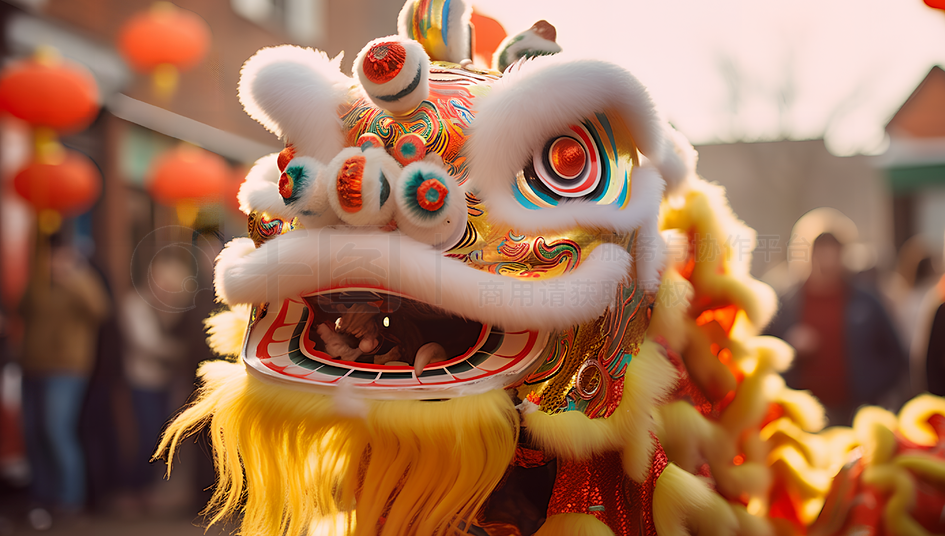
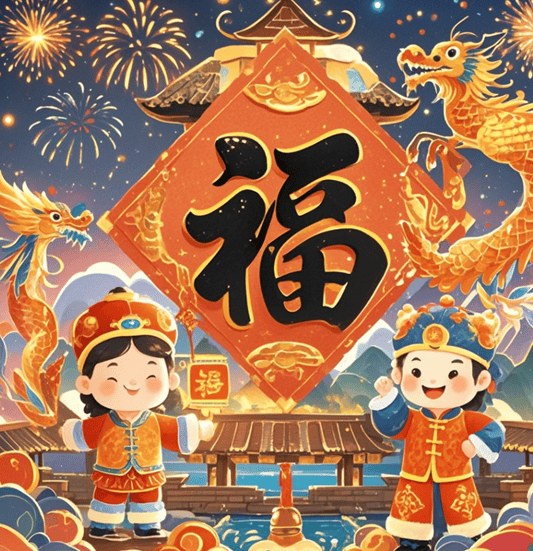
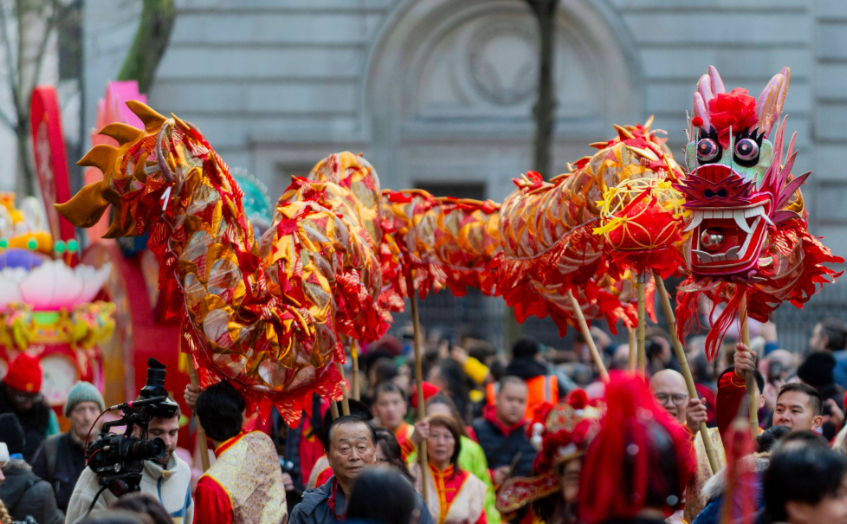
To understand the Spring Festival, you must first learn about its core customs. “Reunion” is the soul of the festival, and the New Year’s Eve dinner is the highlight of family gathering. On the dining table, fish symbolizes “surplus year after year”, dumplings shaped like ingots represent wealth, and rice cakes homophone with “higher year by year” embody the wish for progress. These delicacies with good meanings are important carriers to experience Spring Festival Culture. In addition to food, customs such as pasting Spring Festival couplets, posting “Fu” characters, staying up late on New Year’s Eve, and paying New Year’s visits are also indispensable. Couplets written on red paper are neat and antithetical, conveying wishes for the new year; “Fu” characters are often pasted upside down, meaning “blessings arrive”; staying up late means family members sitting together all night to welcome the new year; on the first day of the lunar new year, people wear new clothes to visit relatives and friends, exchanging greetings and blessings. Moreover, activities like dragon and lion dances, temple fairs, and setting off fireworks (restricted in some areas) bring the festive atmosphere to a climax, with gongs and drums resounding everywhere.
Choosing the right destination can make your Spring Festival trip more distinctive. As the capital of China, Beijing boasts both royal grandeur and folk warmth during the festival. The Palace Museum holds special Spring Festival exhibitions, where red walls and yellow tiles set off with couplets and lanterns, making visitors feel as if they have traveled back to the new year in ancient imperial palaces. Ditan and Longtan Temple Fairs are the most festive places in Beijing, offering traditional snacks, intangible cultural heritage handicrafts, acrobatic performances, as well as opportunities to experience couplet writing and paper-cutting.
Chengdu is a city where “festive vibe coexists with daily warmth”. Wuhou Temple Temple Fair is a local feature, where you can enjoy Sichuan opera face-changing, shadow puppet shows and other intangible cultural heritage performances. Kuanzhai Alleys and Jinli Ancient Street are decorated with red lanterns, and the aroma of snacks like sugar paintings and egg cakes fills the air. You can also experience a slow life in teahouses and spend the festival with local people.
If you prefer a warm climate, Sanya is an excellent choice. With pleasant weather during the Spring Festival, Sanya combines blue sea, clear sky and red lanterns into a unique festive scene. You can not only enjoy the comfort of sunshine, beaches, diving and surfing but also taste seafood and Hainan specialties in the New Year’s Eve dinner by the sea, experiencing a different Spring Festival in a tropical area. In addition, Xi’an is a destination not to be missed. As an ancient capital with a history of thirteen dynasties, Xi’an is full of ancient charm during the Spring Festival. The Datang Never Sleeps City is brightly lit, with visitors in Hanfu wandering around, as if returning to the Tang Dynasty. The City Wall Lantern Festival is breathtaking, with various lanterns lighting up the Ancient City, paired with traditional folk performances, showing the cultural heritage of the millennium-old capital.
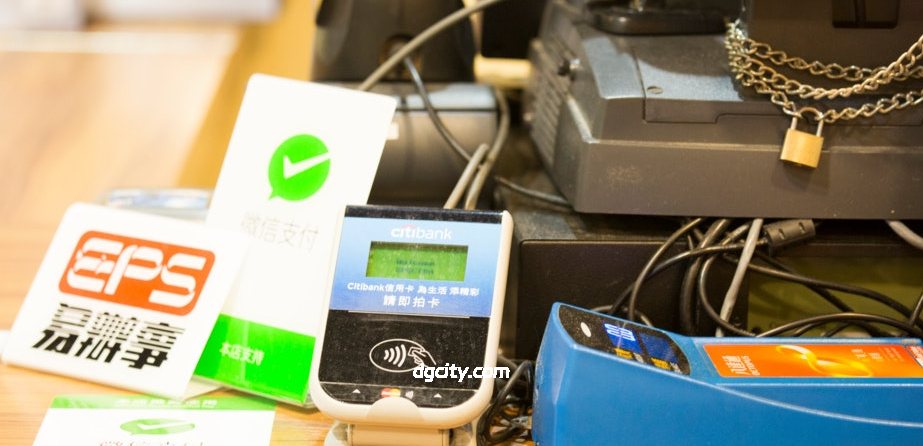
Before traveling, some practical tips can make your journey smoother. The Spring Festival is the peak period of China’s “Spring Festival Travel Rush” with huge traffic. It is recommended to book flights, high-speed rail tickets and hotels 1-2 months in advance to avoid ticket or accommodation shortages. Some scenic spots will launch Spring Festival special offers or crowd control measures, so you need to book tickets on official platforms in advance. Respect local customs, such as greetings when paying New Year’s visits and dining etiquette, to avoid offending others. Meanwhile, the temperature varies greatly during the Spring Festival: it is cold and dry in the north, so thick clothes are necessary; it is warm and humid in the south, so light clothing is suitable; and sun protection is required in tropical areas like Sanya. In addition, exchange a small amount of cash in advance, as some traditional markets and small vendors may not support mobile payment, and prepare translation software to facilitate communication with locals.
2026 is the Year of the Horse in the Chinese lunar calendar. In Chinese Culture, the horse symbolizes vitality, courage and good luck. This Spring Festival, why not walk into China’s cities and villages, feel the charm of traditional customs in the warmth of reunion, and unlock exclusive memories in characteristic destinations. Let this journey become the most vivid lesson to understand Chinese culture.



暂无评论内容