




Chinese New Year’s Eve, falling on the 30th or 29th day of the twelfth lunar month, is the most solemn and ritualistic day in the Chinese calendar. It embodies the core cultural connotation of “bidding farewell to the old and welcoming the new, and family reunion”. For foreign tourists, visiting China during this period offers a precious opportunity to immerse yourself in the vivid folk customs of Chinese civilization, and understand the emotional bonds and cultural roots of the Chinese people amid the festive atmosphere and rituals.
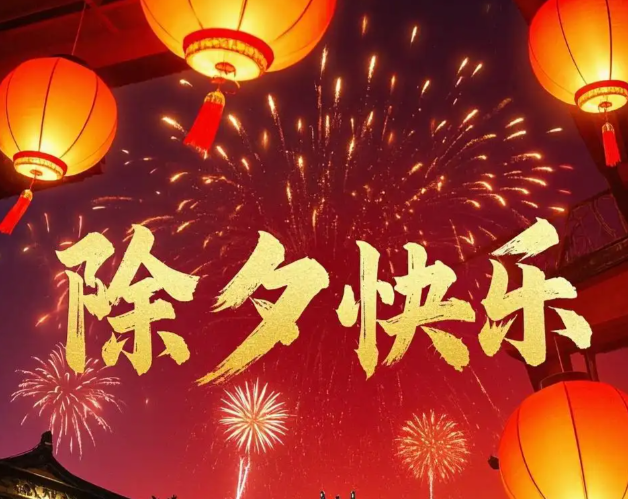
The core rituals of Chinese New Year’s Eve start in the early morning, with streets and lanes across the country filled with a strong festive vibe. One of the must-experience customs is “sweeping the dust for the new year”, which symbolizes removing bad luck of the past year and welcoming good fortune. You can walk into ordinary alleys, watch local families wipe windows and clean courtyards, or join in under the invitation of your homestay host, wiping away dust for the residence with your own hands to experience the traditional meaning of “eliminating the old and embracing the new”. Afterwards, pasting Spring Festival couplets and the character “Fu” (blessing) is a necessary activity for every family. Spring Festival couplets, with neat and antithetical words, express good wishes, while the character “Fu” is often pasted upside down, as the inverted pronunciation in Chinese means “blessings arrive”. The red paper adds a warm festive touch to the streets. You can ask calligraphers to write custom couplets at ink stalls in Ancient City streets, or buy “Fu” characters with auspicious patterns to paste on the doors and windows of your accommodation, achieving in-depth cultural integration.
The highlight of Chinese New Year’s Eve is the reunion dinner, a symbol of family reunion for the Chinese people and a double feast for taste and emotion. The reunion dinner varies by region, fully demonstrating the diversity of Chinese food Culture. In Northern China, dumplings are a must. Shaped like ingots, they symbolize attracting wealth and treasure. Some families even wrap coins in dumplings, and those who eat the coins are blessed with good luck in the new year. In Southern China, rice cakes and fish are the core dishes. Rice cakes imply “stepping up to a higher position”, while fish symbolizes “surplus year after year”. In cities like Suzhou and Hangzhou, the reunion dinner also includes special dishes such as sauced duck and braised pork knuckle with bamboo shoots. As a tourist, it is recommended to book a reunion dinner package at a restaurant specializing in home-style dishes or a homestay in advance. This way, you can taste authentic flavors and feel the warmth of reunion while interacting with the shopkeeper and other diners. For a more distinctive experience, you can go to time-honored restaurants in Beijing for a Beijing-style reunion dinner, or head to Chengdu to start a lively New Year’s Eve with spicy hot pot.
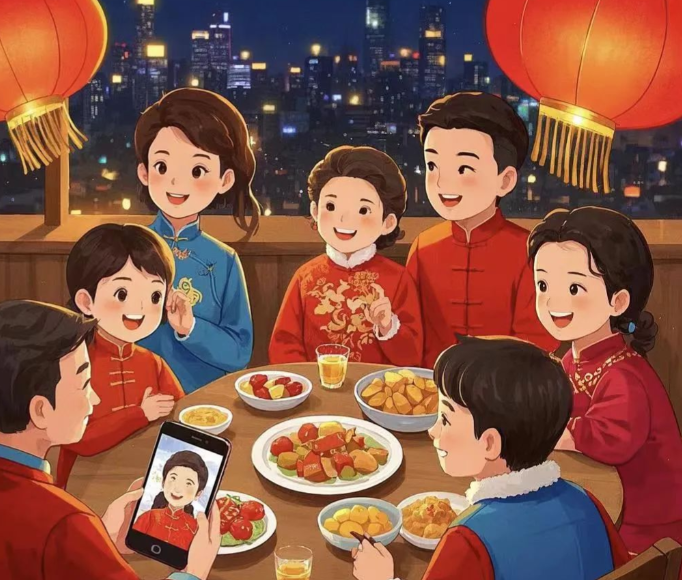
When night falls, the festive atmosphere reaches its peak, and “staying up late on New Year’s Eve” becomes the core activity. Chinese families will sit together, watch the Spring Festival Gala, chat and reminiscence until midnight to welcome the new year. During this time, elders will give “red envelopes” (lucky money) to younger generations. The red envelopes carry the blessing of warding off evil spirits and protecting safety, which is one of the easiest customs for foreign tourists to participate in. If you receive a red envelope, remember to express your gratitude politely to convey respect and joy. In addition, there are folk performances such as dragon and lion dances and electronic firecrackers (traditional firecrackers are banned in many places) in some areas. The temple fairs in Beijing and the Ancient City wall lantern show in Xi’an can let you experience the lively festive atmosphere.
Here are some recommended destinations for traveling on Chinese New Year’s Eve: Beijing, where you can feel the integration of royal grandeur and urban charm around the Forbidden City and Tiananmen Square. Chang’an Avenue is brightly lit on New Year’s Eve with rich temple fair activities; Suzhou, where you can enjoy the reflection of lanterns along the ancient canal, taste Su-style reunion dinner, and experience the gentle festival in the water town of Jiangnan; Chengdu, where you can experience Sichuan-style folk customs in Kuanzhai Alleys and Jinli, stay up late with local people, and feel the enthusiasm of Chengdu.
Practical tips: Transportation is busy during Chinese New Year’s Eve, so it is recommended to book flights, hotels and reunion dinners in advance; respect local customs and actively ask about taboos before entering residential houses or participating in rituals; opening hours of some scenic spots are adjusted on New Year’s Eve, so please check official information in advance; prepare warm clothes, as the temperature is low in Northern China and cold and humid in Southern China, so do a good job in cold protection.
China on New Year’s Eve hides the expectation of reunion in every wisp of smoke, and every custom carries the inheritance of Culture. As a foreign tourist, you might as well put down your guide, fully integrate into this liveliness and warmth, and gain a unique Chinese memory in the ritual of bidding farewell to the old and welcoming the new.



暂无评论内容