




In China’s Spring Festival cultural system, the Little New Year is an important festival tasked with “saying goodbye to the old and welcoming the new”. It serves as the prelude to the Spring Festival, kicking off more than ten days of preparations for the Lunar New Year. Unlike fixed-date festivals, it has regional differences: the 23rd day of the 12th lunar month in Northern China and the 24th day in the south. This tradition originated from the ancient saying “officials celebrate on the 23rd, commoners on the 24th, and boatmen on the 25th”. Today, though regional boundaries have blurred, the core customs and cultural meanings remain unchanged. For foreign travelers visiting China during this period, they can not only witness the distinct pre-holiday atmospheres in the north and south but also deeply understand the Chinese concept of “eliminating the old to make way for the new and praying for blessings”, immersing themselves in the unique rituals of the Chinese New Year.
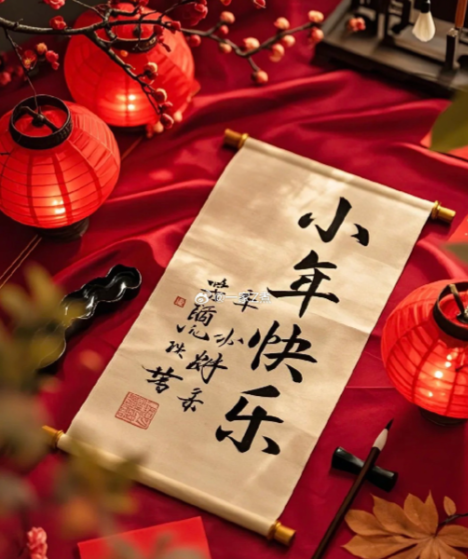
The origin of the Little New Year can be traced back to the Kitchen God worship customs in the pre-Qin period. After thousands of years of evolution, it has integrated folk beliefs and life wisdom, eventually forming a festival tradition with both祈福 and practical significance. The ancients believed that the Kitchen God is the deity in charge of family food and supervising the good and evil deeds of the family. Every Little New Year, he ascends to heaven to report the family’s deeds to the Jade Emperor and returns home on New Year’s Eve to bless the family. Therefore, worshipping the Kitchen God on the Little New Year became a core ritual, aiming to pray that the Kitchen God “speaks good words in heaven and protects peace on earth”. The house cleaning custom originated from the ancients’ concept of driving away evil spirits and disasters. On this day, the whole family conducts a thorough cleaning, not only sweeping the courtyard and wiping utensils but also removing dust from corners, symbolizing “sweeping away bad luck and ushering in blessings” to create a clean and peaceful atmosphere for the New Year.
Worshipping the Kitchen God is the most iconic custom of the Little New Year, with ritual details full of daily life and cultural ingenuity. Before the festival, every household prepares sacrifices for the Kitchen God, with the core being “Kitchen God Candy” (also known as Guandong Candy or sesame candy). This sticky and sweet candy is used to curry favor with the Kitchen God, urging him to speak well of the family, and also symbolizes “sticking” to gossip, praying for family harmony. In some regions, fruits, wine, meat, and clean water are also prepared. On the festival day, the family burns incense to worship the portrait of the Kitchen God, expresses their wishes, and then burns the old portrait, symbolizing the Kitchen God’s departure to heaven. A new portrait is pasted on New Year’s Eve to complete the “welcoming the Kitchen God” ritual. Today, though the ritual has simplified, the core of eating Kitchen God Candy and worshipping the Kitchen God is still inherited in many parts of the north and south, becoming a symbolic part of the Little New Year.
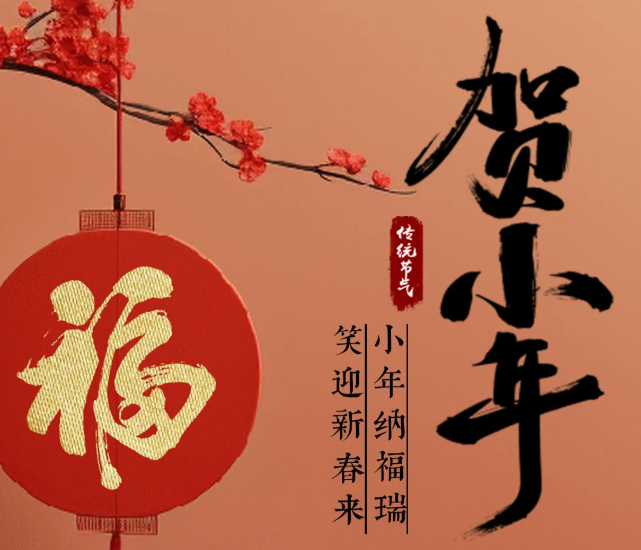
House cleaning complements Kitchen God worship, forming the core theme of “saying goodbye to the old” on the Little New Year. There is a folk proverb: “On the 23rd, eat sticky candy; on the 24th, sweep the house”. Cleaning is not just a simple tidying-up, but embodies the deep meaning of “eliminating the old to make way for the new” — it cleans not only physical dust but also the misfortunes and bad luck of the past year, making space for blessings and good luck in the New Year. There are also rules for cleaning: the whole family should participate, cleaning from the roof to the ground, from the kitchen to the bedroom, especially cleaning neglected corners. In some regions, after cleaning, windows are wiped and simple paper-cuts are pasted to create a festive atmosphere in advance. For foreign travelers, having the opportunity to participate in family cleaning allows them to truly feel the Chinese people’s solemnity and expectation for the New Year.
In addition to Kitchen God worship and cleaning, the Little New Year also has derivative customs such as preparing New Year’s goods, cutting paper-cuts, and pasting Spring Festival couplets (embryonic form), with distinct regional characteristics. In Northern China, after the Little New Year, every household begins to cure bacon and sausage, preparing ingredients for the New Year’s Eve dinner; in Southern China, people steam rice cakes and make pastries, with rice cakes symbolizing “stepping higher and higher” to pray for good luck in the new year. Cutting paper-cuts is a traditional handicraft activity on the Little New Year. Elderly women cut patterns such as flowers, birds, fu characters (blessing), and zodiac signs from red paper and paste them on windows to add a festive atmosphere. Paper-cutting craftsmanship in some regions has also been included in intangible cultural heritage, with both ornamental and cultural value. In addition, the Little New Year is also a prelude to reunion. Overseas travelers try to return to their hometowns around the Little New Year to prepare for the Spring Festival with their families, filling the festival with family warmth.
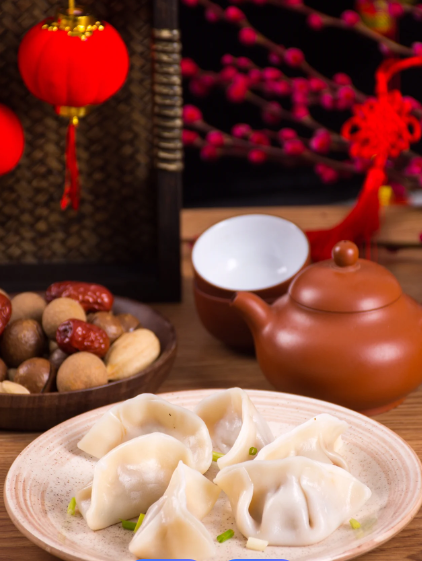
When experiencing Little New Year customs, foreign travelers need to respect local traditions and etiquette details, and make travel preparations. Firstly, the Kitchen God worship ritual is an exclusive family blessing activity. If invited, keep quiet and solemn, do not touch the sacrifices and the Kitchen God’s portrait at will, and follow the host’s guidance to complete the worship. Secondly, cleaning is a family cooperative activity; you can take the initiative to help organize items and feel the cohesion of the Chinese family. In terms of diet, Kitchen God Candy is high in sugar, and rice cakes and pastries in some regions are made of glutinous rice. Confirm the ingredients before eating to avoid allergies or gastrointestinal discomfort. For travel, as the Little New Year approaches the Spring Festival, transportation gradually enters a peak. It is recommended to book tickets and accommodation in advance. Some scenic spots hold Little New Year folk activities, which you can check in advance to participate in and immerse yourself in the lively pre-holiday atmosphere.
The Little New Year is not an independent festival, but an important foreshadowing of Spring Festival Culture. With the piety of Kitchen God worship, the pragmatism of cleaning, and the liveliness of preparing New Year’s goods, it conveys the Chinese people’s yearning and expectation for the new year. In the process of experiencing Little New Year customs, foreign travelers can not only taste authentic traditional Chinese food but also understand the deep connotation of “saying goodbye to the old and welcoming the new, respecting nature, and cherishing family ties” in Chinese Culture. This festive pre-holiday ritual allows every participant to encounter the warmth of the Spring Festival in advance, adding unique cultural memories to the journey.




暂无评论内容