




As the #BecomingChinese trend takes TikTok by storm, more and more foreign visitors are coming to China with curiosity about Chinese lifestyle. This “spiritual naturalization” phenomenon reflects a global recognition and yearning for China’s daily Culture. This guide will help you unlock an authentic Chinese journey from three aspects: policies, experiences and etiquette, allowing you to truly integrate into the warmth of this land.
Entry policies are the first step to a hassle-free trip. Currently, China implements a 240-hour visa-free transit policy for 55 countries, covering Europe, America, Oceania and Asia. With valid documents and connecting tickets, visitors can enter through 65 open ports and stay in 24 provinces for up to 10 days, engaging in tourism, business and other activities. In addition, visitors from 38 countries can enjoy a 30-day visa-free entry for purposes such as sightseeing and cultural exchanges, greatly facilitating short-term trips. Note that work, study and other activities requiring prior approval are not allowed during the visa-free period. Photography of military facilities and defense enterprises is prohibited to avoid legal issues.
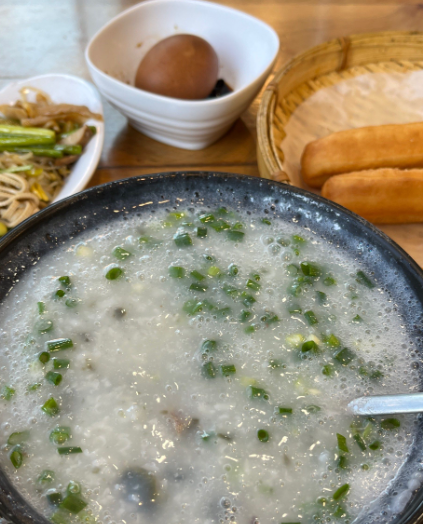
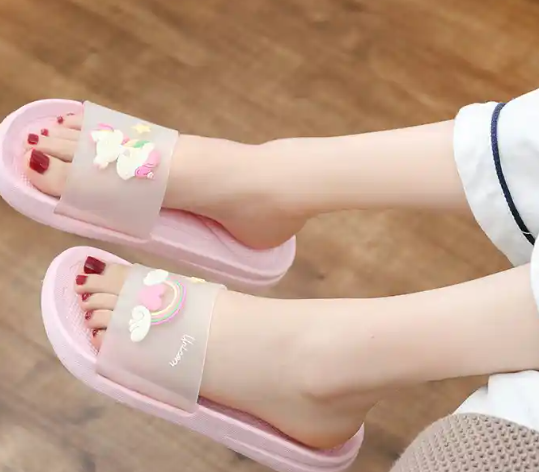
The core of Chinese lifestyle lies in health preservation and daily routines. In the post-pandemic era, traditional Chinese Medicine (TCM) wellness has become a popular choice for foreign visitors. Sichuan Museum of Traditional Chinese Medicine, with over 50,000 medicinal herb specimens, is an excellent place to learn about TCM Culture. The supporting health tourism routes offer in-depth experiences of traditional health-preserving practices like Baduanjin and Tai Chi. The “tourism + wellness” packages in Sanya are highly sought-after—you can enjoy acupuncture and massage amid coconut groves and sea breezes, combined with climate therapy for physical and mental relaxation. At Huqingyutang in Hangzhou, you can make sachets with cloves, mugwort leaves and other herbs, experiencing the unique charm of natural medicinal materials firsthand. In daily life, follow local customs: change slippers when entering a house, carry a thermos for warm water, and try hot porridge with side dishes for breakfast—these details will help you quickly adapt to the local rhythm.
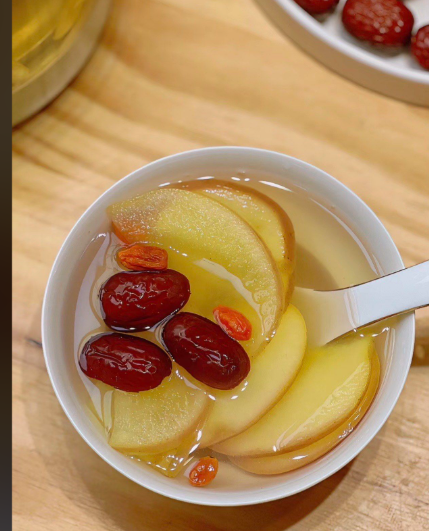
Diet and social etiquette are key to integrating into China. Chinese cuisine emphasizes “warmth and freshness”—hot pot, stir-fries and dumplings are must-tries, and the most authentic flavors can be found at breakfast stalls in alleyways. When shopping in markets, don’t hesitate to bargain—it’s a local tradition, and not bargaining may be regarded as lack of purchase intention. In social interactions, Chinese people often greet with “Have you eaten?” or “You’re here?” Asking about age and marital status is a way to build rapport, so there’s no need to be surprised. Show respect by using honorifics like “Mr. Zhang” or “Teacher Wang” instead of first names. Avoid humiliating others in public; express opinions gently in private. Physical contacts such as hugging or patting the back should be avoided—handshakes are the safest greeting method.
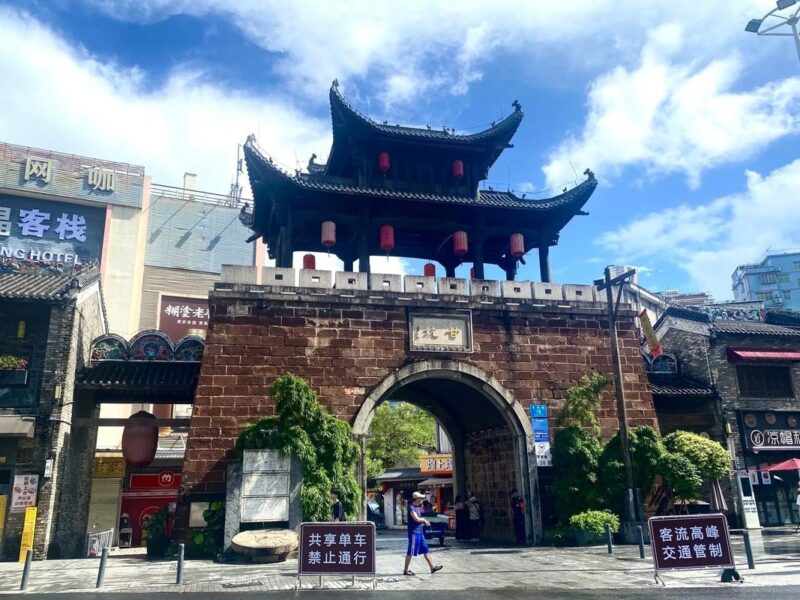
From cultural experiences to daily interactions, China’s charm lies in its inclusiveness and vitality. Whether sipping tea in a teahouse, making dumplings with locals during festivals, or trying traditional activities like Chinese knot weaving and mahjong, you can gain a deep understanding of the wisdom in Chinese life. If you accidentally violate customs, don’t worry—most Chinese people will be understanding and correct you gently, which is the essence of Chinese cultural inclusiveness. Embrace local customs with an open mind, and you will gain not only travel memories but also a profound cultural resonance.





暂无评论内容