




The customs of the Chinese Spring Festival stretch from pre-holiday preparations and the New Year’s Eve vigil to paying New Year calls and praying for blessings in the first lunar month, finally drawing to a close with the Lantern Festival. Passed down for thousands of years, they share a core spirit of bidding farewell to the old and welcoming the new, with slight regional variations. Below are the most representative and widely observed Spring Festival customs across China, categorized by time sequence and core scenarios:
Pre-Holiday Preparations: Starting from the Lunar Twelfth Month, Sweeping Away the Old to Make Way for the New
- Offering Sacrifices to the Kitchen God (Little New Year, the 23rd/24th day of the 12th lunar month)It marks the prelude to the Spring Festival. Folklore holds that the Kitchen God ascends to heaven on this day to report the good and bad deeds of mortal families. People offer sugar melons and pastries to worship him, hoping the sweet sugar will stick to his mouth, making him speak well of the family in heaven and bring blessings back to the mortal world. In some regions, people also clean the kitchen stove and burn the old portrait of the Kitchen God to send him off.
- House Cleaning (starting from the 24th day of the 12th lunar month)Commonly known as “spring cleaning”, the whole family cleans the house, wipes doors and windows, and tidies up hidden corners. It symbolizes “sweeping away dust and dirt to bid farewell to the old and welcome the new”, driving away the bad luck and misfortune of the past year to make way for good fortune in the new year.
- New Year ShoppingFrom after Little New Year to New Year’s Eve, every household stocks up on New Year goods, including food (cured meats, candies, nuts, ingredients for the reunion dinner), new clothes and shoes, festive decorations (Spring Festival couplets, Fu characters, paper cutouts, lanterns), and red envelopes for lucky money for children. It is the most festive preparation stage full of the Spring Festival atmosphere.
- Pasting Spring Festival Couplets, Fu characters, Paper Cutouts and New Year PaintingsThis is done before New Year’s Eve. Spring Festival couplets, also called “door couplets”, are red scrolls with auspicious phrases written in black ink or gold powder, pasted on door frames to pray for good fortune. The Fu character (meaning “blessing” or “good luck”) is mostly pasted upside down, a homophone for “Fu arrives” in Chinese. Paper cutouts and New Year paintings feature auspicious patterns such as koi fish, peonies, the God of Wealth and tiger dolls, adorning the house and enhancing the festive joy.
- Making Cured and Pickled New Year DishesPeople in Northern China mostly pickle sauerkraut and make sausage, while those in the south dry cured pork, cured fish and cured chicken. Cured meats are classic ingredients for the reunion dinner and receiving guests during the Spring Festival. The character “La” (cured) also aligns with the Lunar Twelfth Month (Layue), symbolizing “may there be surplus year after year”.
Core Customs on New Year’s Eve: Family Reunion, Bidding Farewell to the Old Year with a Vigil
New Year’s Eve is the heart of the Spring Festival, a time for family reunion with customs centered on bidding farewell to the old and welcoming the new, and praying for togetherness and blessings—it is also the moment when the Spring Festival atmosphere is the strongest.
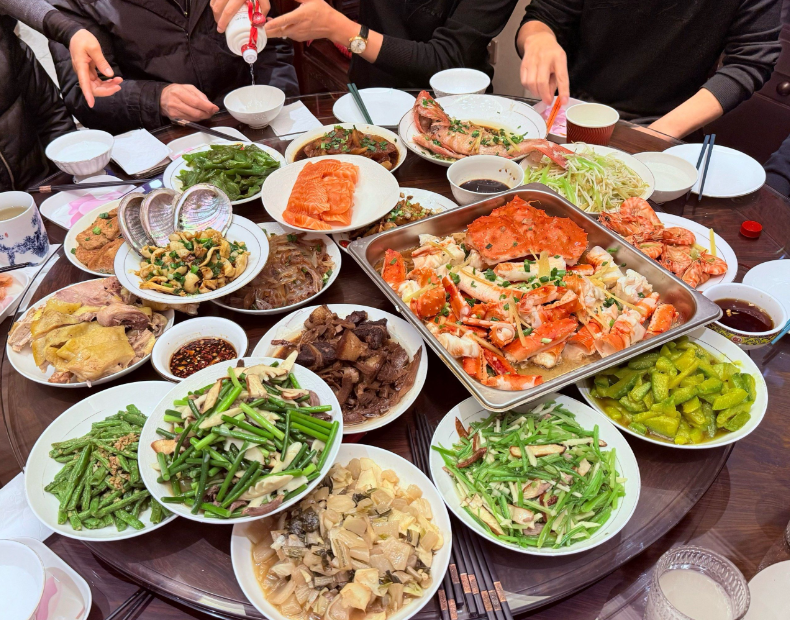
- Reunion DinnerIt is the annual feast where the whole family sits together. Every dish carries an auspicious meaning: fish (usually carp or crucian carp, left unfinished to symbolize “may there be surplus year after year”), dumplings (a staple in the north, shaped like ancient Chinese ingots, symbolizing attracting wealth and treasure; some coins are hidden in dumplings, and whoever finds them will have great luck in the new year), nian gao (New Year cake, a classic in the south, a homophone for “rising step by step” in Chinese), glutinous rice balls (symbolizing family reunion), chicken (great fortune and prosperity), pig’s trotters (scratching for wealth), etc. Various regions also have their own special dishes, such as four joy meatballs in the north and Buddha Jumps Over the Wall in the south.
- Ancestor WorshipBefore or after the reunion dinner, people set out wine, dishes, fruits, incense and candles to worship ancestral memorial tablets or visit ancestral tombs. It is a way to cherish the memory of ancestors and pray for their blessings for the family’s peace and prosperity in the new year, embodying the traditional Chinese virtue of honoring the ancestors and cherishing the memory of the past.
- New Year’s Eve VigilThe whole family stays up late until midnight. Elders give lucky money (originally called “money to suppress evil spirits”, meant to protect children from evil and bring them peace in the new year) to the younger generation. Family members sit together chatting, watching the Spring Festival Gala, eating snacks, bidding farewell to the old year and welcoming the new one. This ritual symbolizes warding off evil plagues and embracing the auspiciousness of the new year.
- Pasting Door Godstraditionally, portraits of Door Gods such as Qin Qiong and Yuchi Gong are pasted on the main gate, symbolizing guarding the house and warding off evil spirits. Today, it is often paired with Spring Festival couplets as a festive decoration.
New Year Visits and Blessings in the First Lunar Month: Visiting Relatives and Friends, Celebrating the New Year Joyfully
The period from the first to the 15th day of the first lunar month is the “New Spring”, with customs focused on praying for blessings, celebrations and socializing. Each day has its own folk traditions, with the core customs as follows:
- 1st day of the first lunar month: Paying New Year calls and praying for the new yearOn the first day of the new lunar year, people first pay New Year calls to the elders at home, greeting them with auspicious words like “Happy New Year” and “May all go well with you”. They then visit relatives and friends to exchange New Year greetings—an important social etiquette of the Spring Festival that conveys family affection and friendship, and elders give lucky money to the children of visitors. In some regions, people also burn incense at temples and Taoist abbeys to pray for peace and prosperous fortune in the new year.
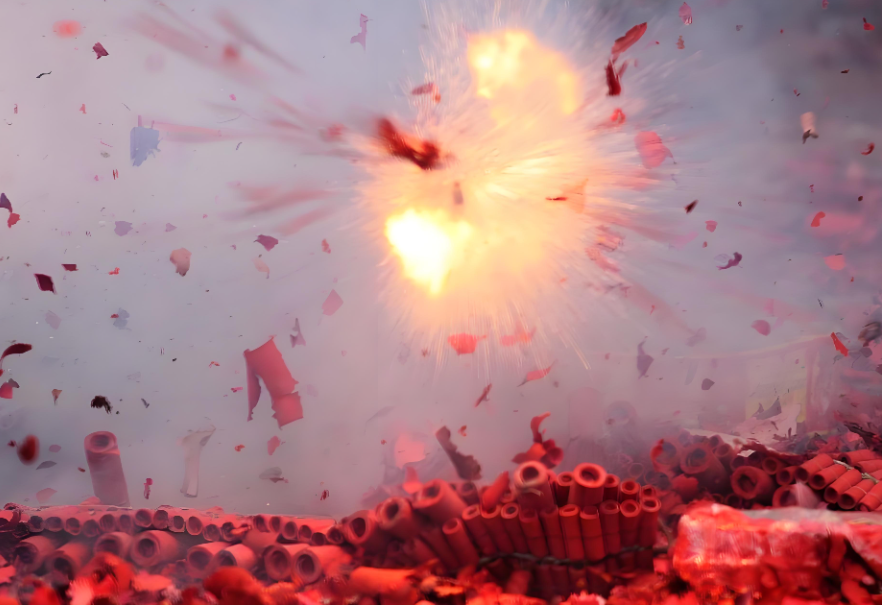
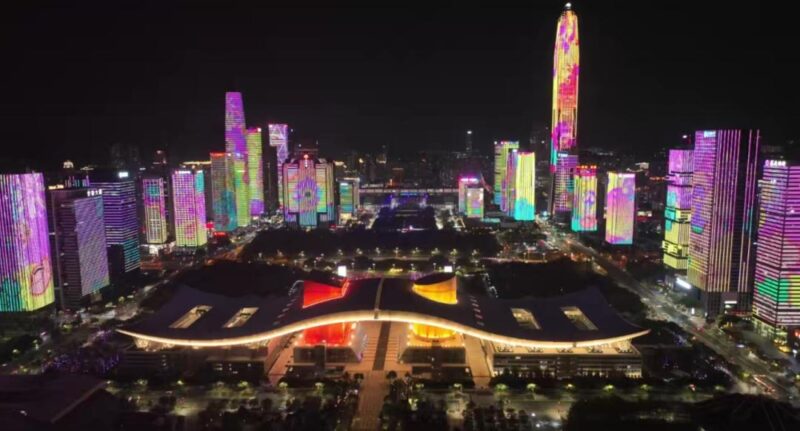
- Setting off firecrackers and fireworks (civilized celebrations in most regions now)A traditional custom goes, “Another year passes in the crackle of firecrackers”. People used to set off firecrackers early on the first day to drive away evil spirits, welcome auspiciousness, and bid farewell to the old and welcome the new. Today, for environmental protection and safety, firecrackers and fireworks are banned in many places, replaced by electronic fireworks and light shows that still keep the festive atmosphere alive.
- 2nd day of the first lunar month: Visiting the wife’s parents’ homeMarried daughters return to their parents’ home to pay New Year calls with their husbands and children. The parents prepare a lavish feast to entertain them and give lucky money to their grandchildren. This custom embodies the parents’ care for their daughters and is an important part of family reunion during the Spring Festival.
- 5th day of the first lunar month: Welcoming the God of WealthFolklore states that the fifth day is the birthday of the God of Wealth. Both business owners and ordinary families hold rituals to welcome him, such as offering sacrifices (firecrackers are mostly replaced by prayer rituals now), symbolizing attracting wealth and treasure and thriving business in the new year. Many businesses open on this day to “welcome wealth with the door open”.
- Visiting temple fairs and New Year marketsTemple fairs and New Year markets held in various regions during the first lunar month are distinctive folk customs of the Spring Festival. At temple fairs, there are folk festive performances such as dragon and lion dances, stilt walking, yangko dance and land boat rowing, as well as special snacks and handcrafts like candied hawthorns, sugar paintings and dough figurines. People visit the fairs to pray for blessings, eat snacks and immerse themselves in the strong Spring Festival atmosphere.
- Dragon and Lion DancesA classic folk performance across China during the Spring Festival. The dragon symbolizes “auspicious dragon fortune”, and the lion symbolizes “auspicious lions bringing blessings”. Performers beat gongs and drums as they dance through the streets and alleys, symbolizing warding off evil, attracting blessings and praying for favorable weather for the crops—it is the most lively collective activity of the Spring Festival.
Conclusion with the Lantern Festival: Bright Lanterns, a Perfect Ending
The Lantern Festival on the 15th day of the first lunar month is the grand finale of the Spring Festival, also known as the Shangyuan Festival. Its customs revolve around lanterns, symbolizing a perfect and reunited new year:
- Eating glutinous rice ballsPracticed in both northern and Southern China. People in the north mostly eat “Yuanxiao” (glutinous rice balls rolled by hand), while those in the south eat “Tangyuan” (glutinous rice balls wrapped by hand). Both are filled with sweet fillings, symbolizing family reunion, harmony and happiness.
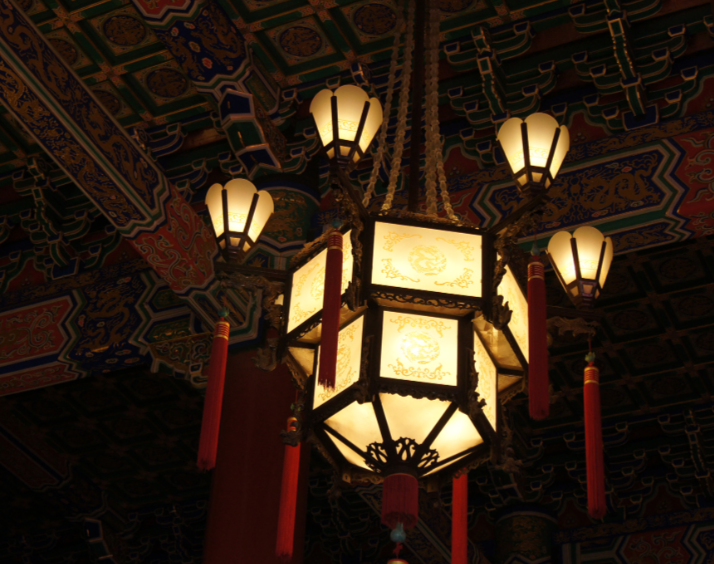
- Viewing lanterns and visiting lantern fairsVarious lanterns—such as lotus lanterns, rabbit lanterns and revolving lanterns—are hung everywhere, and lantern fairs are held in all regions. People go out at night to admire the lanterns, making it the most romantic custom of the Spring Festival.
- Guessing lantern riddlesRiddles are pasted on the lanterns for people to guess and solve, which is full of fun. Guessing a riddle correctly is believed to bring good luck for the new year, and it is a classic part of lantern fairs.
- Dragon lantern dances and Lantern Festival celebrationsDragon and lion dances and folk festive performances on Lantern Festival night are even more lively than those in the early first lunar month. Many regions also have unique customs like releasing sky lanterns and iron flower performances. The iron flower performance is an intangible cultural heritage folk custom: molten iron is tossed into the air, bursting into golden sParks, symbolizing prosperity, thriving life and peace year after year.
Additional: Regional Unique Customs
While Spring Festival customs share common core meanings, they vary greatly by region. People in Northern China mostly make dumplings and visit ice lantern shows; in NorthEast China, people perform yangko dance and kill a New Year pig. In Southern China, people mostly make nian gao and wrap glutinous rice balls; in Guangdong, people take flower street tours (meaning “walking the flower street brings good luck”) and worship the God of Wealth; in Sichuan, families have hot pot for the reunion dinner and hold fire dragon dances; in Fujian, people hold ancestor parades and tower burning rituals; ethnic minorities in Yunnan hold singing and dancing festivals. These regional customs make the Spring Festival atmosphere more rich and diverse.



暂无评论内容