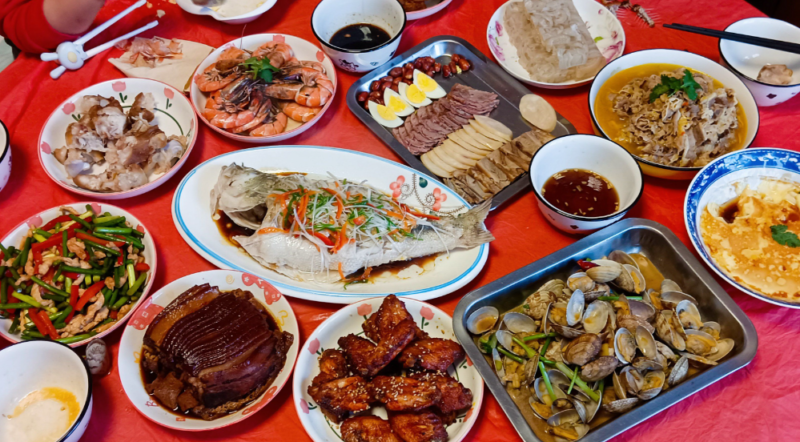





The Spring Festival, the most grand traditional festival for the Chinese people, carries thousands of years of cultural accumulation and family feelings, and the reunion dinner is the core and indispensable part of the Spring Festival rituals. For the Chinese, having a reunion dinner during the New Year has long surpassed the material significance of “eating” itself. It has become a spiritual carrier that unites family ties, inherits Culture, and embodies hopes, an emotional resonance engraved in the national gene.
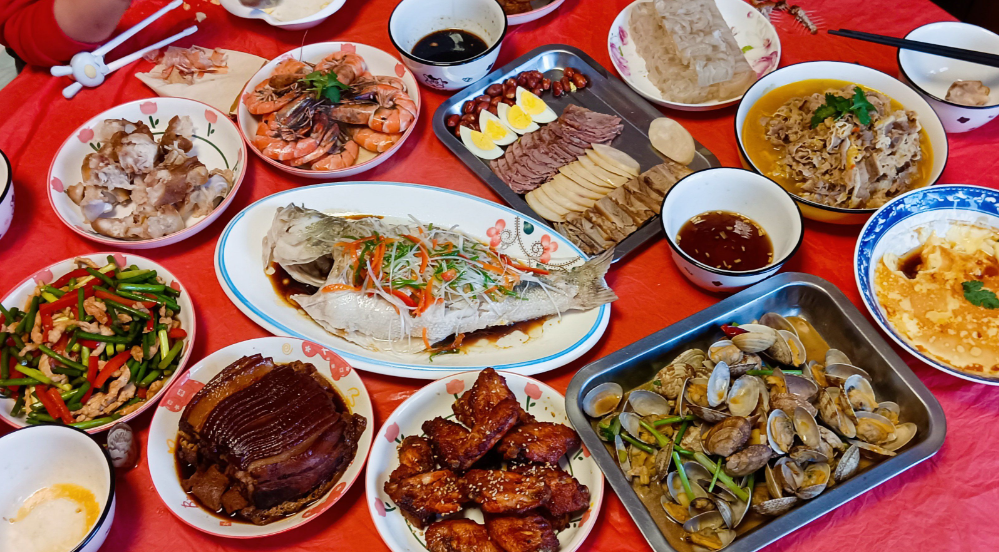
The origin of the reunion dinner can be traced back to ancient New Year sacrifices and seasonal customs. In the agricultural civilization period, the ancients regarded the first day of the first lunar month as the beginning of the new year. At the end of the year, people would hold rituals to worship heaven, earth, and ancestors, thanking nature for its gifts and ancestors for their blessings. After the sacrifice, the whole family would sit around to share the sacrificial offerings, which was the embryonic form of the reunion dinner. With the changes of the times, the ritual sense of sacrifice has gradually weakened, but the core of “the whole family gathering to share food” has been retained and continuously enriched and sublimated. In ancient society, due to inconvenient transportation and frequent wars, the separation of relatives was common. As the beginning of the year, the Spring Festival became the only opportunity for relatives to travel across mountains and rivers to gather. Therefore, the reunion dinner has become the most intuitive embodiment of “family reunion”, carrying people’s cherishment of family ties and longing for gathering.
In terms of cultural connotation, every dish on the reunion dinner table contains the Chinese people’s good wishes, which is a vivid interpretation of “the unity of food and etiquette”. The Chinese people pay attention to “seeking good omens”, and the matching of dishes for the reunion dinner always revolves around the theme of “auspiciousness, completeness, and prosperity”. For example, fish is a must-have dish on the reunion dinner table. Because “fish” is homophonic with “surplus” in Chinese, it symbolizes “having surplus year after year”, hoping for a prosperous life and sufficient food and clothing in the coming year. Dumplings are shaped like ingots, and their filling-wrapped form symbolizes “attracting wealth and treasures”. In some regions, coins are wrapped in dumplings, and whoever eats them is expected to have good luck in the new year. Rice cakes are homophonic with “progress” in Chinese, meaning “stepping up to a higher level”, embodying people’s good wishes for career, life, and studies. In addition, glutinous rice balls and meatballs, with their round shape, symbolize “family reunion”, which is highly consistent with the core theme of the reunion dinner. These dishes not only satisfy the taste buds but also integrate traditional Culture and good wishes, making every meal a cultural inheritance.
The reunion dinner is also an important link to maintain family emotions and gather family strength. In the fast-paced modern society, people rush around for life, work, and studies, and rarely get together on weekdays. The Spring Festival reunion dinner provides an opportunity for the whole family to put down their busyness and communicate openly. At the dinner table, the elderly share past experiences and pass on life wisdom; the younger generation report their recent situation and listen to the elders’ exhortations; brothers and sisters talk about interesting life stories and revisit childhood memories. There is no workplace rush, no academic pressure, only the blood-thick family affection and a warm and harmonious atmosphere. This scene of sitting around for meals can resolve the estrangement and alienation on weekdays and make family relations closer. For wanderers living abroad, the taste of the reunion dinner is the “taste of home”, an emotional comfort across distances. No matter how far they go, as long as they can return to their families and have a hot reunion dinner, it is enough to soothe the fatigue of the year.
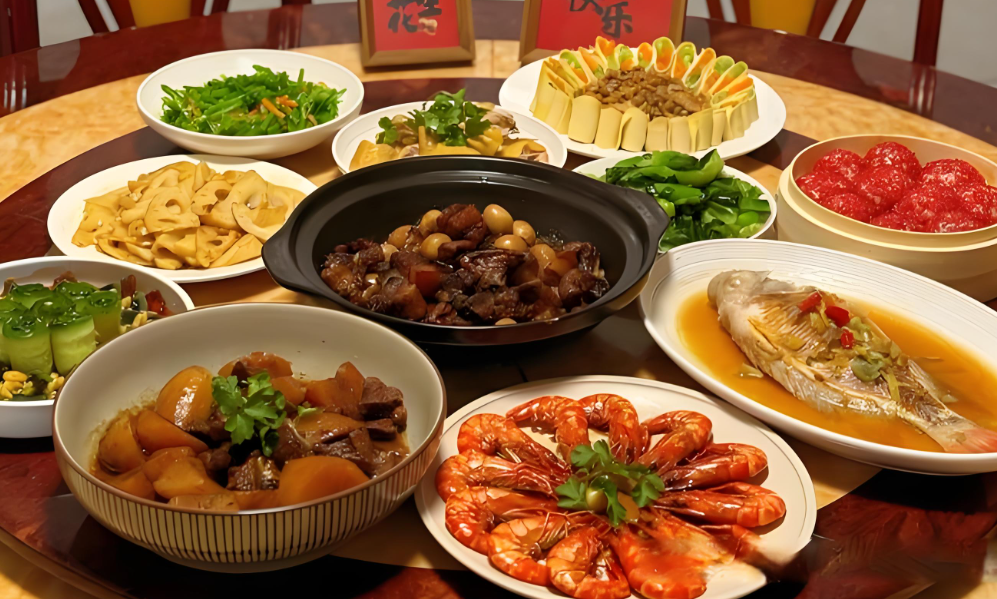
In addition, the reunion dinner also carries the traditional virtues of respecting the elderly, loving the young, and helping neighbors. At the dinner table, the etiquette that the elderly move their chopsticks first and the younger generation toast the elderly is the practice of filial piety; taking the initiative to pick up food for the younger generation and caring about the family’s food preferences is the natural expression of family affection. Some families also invite neighbors and elderly people living alone to participate in the reunion dinner. While sharing food, they pass on neighborhood warmth, making the meaning of reunion no longer limited to the family but extending to the entire community. This custom not only inherits the traditional virtues of the Chinese nation but also builds a harmonious interpersonal relationship.
Today, with the improvement of living standards, the dishes of the reunion dinner have become more abundant, and the dining forms have gradually diversified. Some people choose to cook at home by themselves, while others choose to book in restaurants. However, what remains unchanged is the emotional and cultural core carried by the reunion dinner. It is the ultimate interpretation of “home” for the Chinese people, the ultimate expression of family affection, and the vivid continuation of traditional Culture in the contemporary era. No matter how the times change, the reunion dinner is always the warmest ritual in the Chinese Spring Festival, a cultural gene and emotional destination engraved in the bones.




暂无评论内容