




In the long river of Chinese Culture, Beijing, as an ancient capital of multiple dynasties, has nurtured a number of intangible cultural heritage (ICH) items that combine artistic value and cultural connotation. These ICH symbols are not only the legacy of craftsmen’s ingenuity, but also the dual imprint of old Beijing’s daily life and royal elegance, connecting the past and the present and telling unique cultural codes.
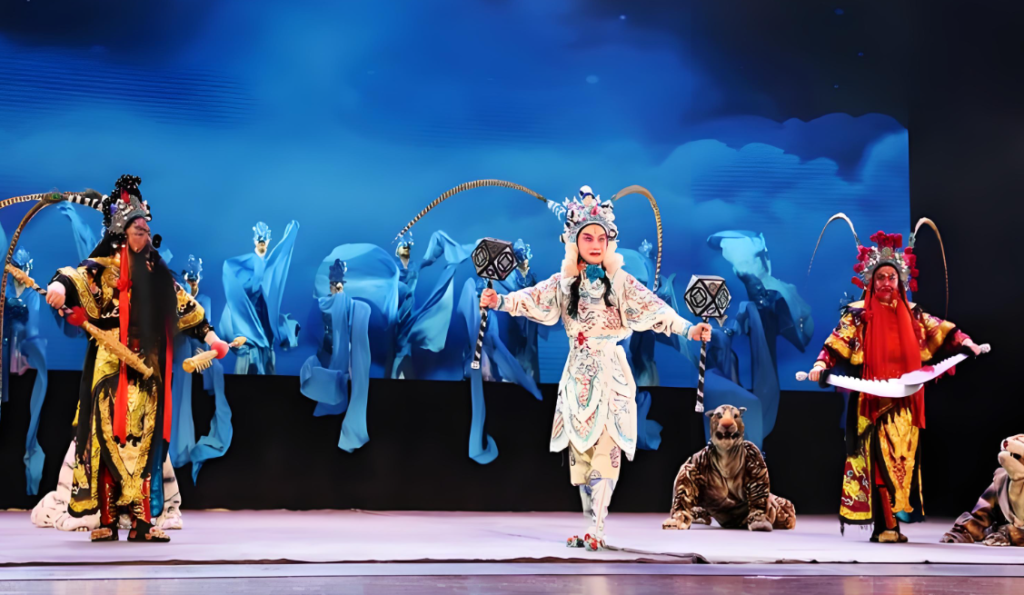
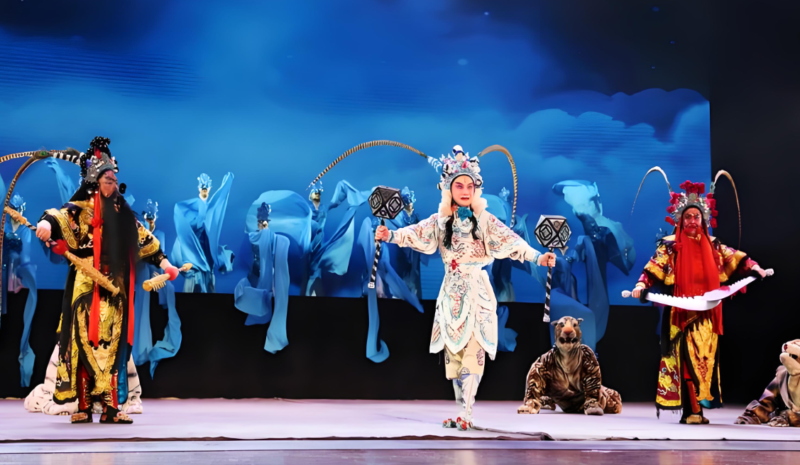
Peking Opera, known as the “national essence” of China, is undoubtedly a bright pearl in the palace of ICH and has been inscribed on the UNESCO Representative List of the Intangible cultural heritage of Humanity. Centered on the four core skills of “singing, reciting, acting and fighting”, it condenses all aspects of human life, joys and sorrows on the stage through four roles: sheng (male roles), dan (female roles), jing (painted-face roles) and chou (clown roles). Every move and gesture embodies the ultimate expression of Oriental aesthetics. Peking Opera Masks, on the other hand, are visual footnotes to characters’ personalities—red symbolizes loyalty and courage, white represents treachery and evil. The ingenious combination of colors and patterns forms a cultural code without words, allowing the audience to understand the core of the characters at a glance.
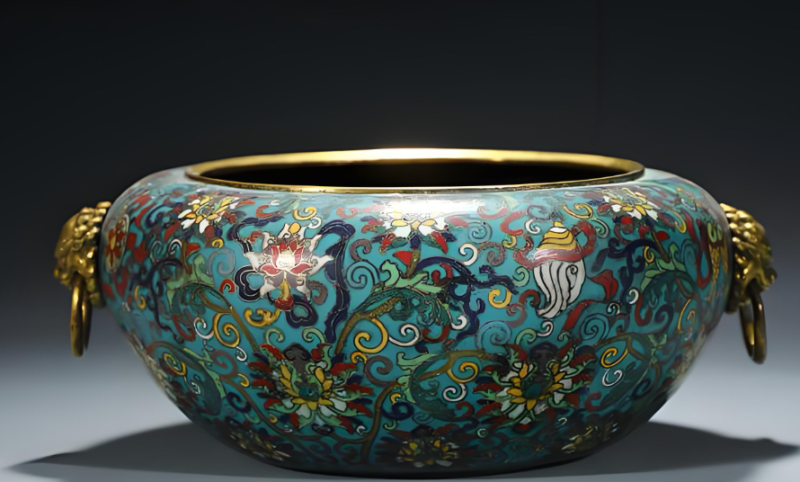
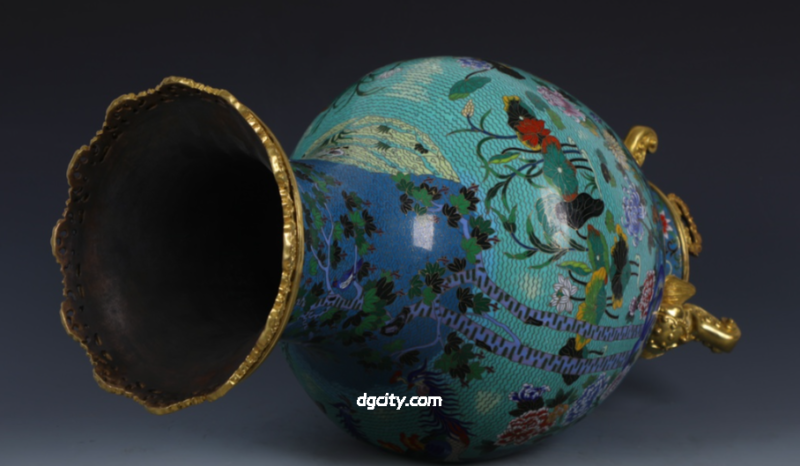
The elegance of royal court craftsmanship is fully displayed in cloisonné and Beijing Embroidery. As the leader of the “Eight Great Treasures of Yanjing”, cloisonné takes copper as the base, and is meticulously crafted through dozens of processes such as wire inlay, enamel filling and firing. With complex patterns and bright colors, it is a representative of the imperial crafts of the Ming and Qing dynasties, carrying the aesthetic pursuit of the royal family. Also one of the “Eight Great Treasures of Yanjing”, Beijing Embroidery is renowned for its exquisite materials and delicate stitching. Whether it is the gorgeous patterns on dragon robes and phoenix coronets, or the exquisite compositions on ordinary fabrics, it demonstrates the ultimate ingenuity of Chinese embroidery.
The vitality of folk Culture lies in the patterns of Rabbit God Figurines and Cao’s kites. The Rabbit God Figurine is a unique Clay Sculpture in Beijing, which is not only a traditional symbol of Mid-Autumn moon worship, but also a toy accompanying children’s growth. Its lovely shape hides the Mid-Autumn memories and folk feelings of old Beijing. With a history of more than 200 years, Cao’s kites are based on the four crafts of “framing, pasting, painting and flying”. Among them, the anthropomorphic “swallow-shaped kite” series is the most distinctive. As the kites fly, they are not only the inheritance of craftsmanship, but also the beautiful sustenance of the harmonious coexistence between man and nature.
The charm of language art has been passed down from generation to generation in Beijing Storytelling and Cross-talk. Originating in the Tang and Song dynasties and flourishing in the Ming and Qing dynasties, Beijing Storytelling is a representative of northern folk art. Artists use a Beijing accent and rely on their skills of “speaking, imitating, teasing and singing” to tell historical allusions and folk stories, which are full of the profoundness of Beijing-style Culture. Cross-talk, originating in Beijing, takes humorous language as the carrier, combining satire and entertainment. It reflects all aspects of market life in laughter and anger, and has become an important symbol of Beijing’s folk culture.
These ICH symbols are not dusty antiques, but living cultural genes. They are inherited in the persistence of craftsmen and innovated in the tide of the times. While retaining the essence of traditional culture, they constantly integrate new vitality, becoming a cultural link connecting the past, present and future.



暂无评论内容