




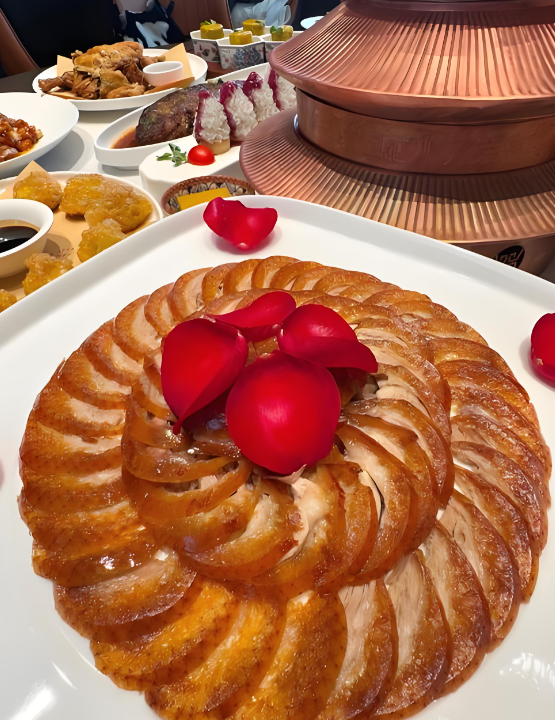
Beijing’s culinary Culture is a taste code etched in the city’s texture. Each iconic delicacy is more than just food for sustenance; it is a cultural symbol carrying historical memories, regional customs, and humanistic feelings. Amidst the clink of pots and bowls, and in the time-honored techniques passed down through generations, they tell the story of old Beijing’s warmth and vitality.
Peking Duck is undoubtedly the “ambassador” of Beijing cuisine. As a regular on state banquet menus, it has long transcended its identity as food to become an international symbol of Chinese culinary Culture. The roasted duck from Quanjude adopts the hanging oven method, using fruit wood as fuel to create duck meat with a crispy skin, tender flesh, and rich fatty aroma. In contrast, Bianyifang’s braised oven duck locks in the original flavor of the meat through slow cooking in a sealed oven. Both unique techniques have been listed as intangible cultural heritage. The classic way to enjoy it—wrapping slices of duck in thin pancakes with scallions and sweet bean sauce—offers a layered taste that embodies the refinement and sophistication of Chinese cuisine.
If Peking Duck represents elegance, Fermented Mung Bean Milk & Fried Dough Rings embody the most authentic daily flavor of old Beijing. As a iconic snack, fermented mung bean milk has a distinctive sour and slightly pungent taste, perfectly complemented by fried dough rings—crisp on the outside and hollow on the inside. This “strong-flavored” delicacy is not only a staple breakfast for old Beijingers but also a “regional litmus test,” challenging every diner’s adaptability to Beijing flavors and holding a special place in the taste memory of Beijingers.
Lǘdagunr (Soybean Cake) stands out as a representative of traditional Beijing sweet snacks with its soft, glutinous, and sweet taste. Coated in fine soybean flour on the outside, the glutinous rice roll encloses sweet red bean paste inside. With each bite, the aroma of soybean flour gives way to the chewy texture of glutinous rice and the sweetness of red bean paste, offering a rich and lingering flavor. This simple yet delicate snack reflects the ultimate pursuit of balance between taste and flavor in Chinese sweets, serving as a sweet comfort on ordinary people’s tables.
When winter arrives, the cries of vendors selling Sugar-Coated Haws on a Stick fill the streets and alleys, marking the season in Beijing. Bright red hawthorns coated in a crystal-clear sugar glaze, strung on bamboo sticks, are not only a sour and sweet appetizer but also a winter essential. Symbolizing reunion and prosperity, this street snack is beloved by children and adults alike, leaving an indelible mark in people’s winter memories.
Hot Pot (Beijing Style) brings a sense of ritual to Beijing’s dining Culture. Cooked with a copper pot over charcoal fire, it uses a clear soup base to highlight the original flavor of thin lamb slices, which are blanched quickly and dipped in more than ten condiments such as sesame paste. This way of dining around a hot pot not only wards off the winter cold but also embodies the Chinese longing for family reunion, making it a must-have dish for gatherings with relatives and friends.
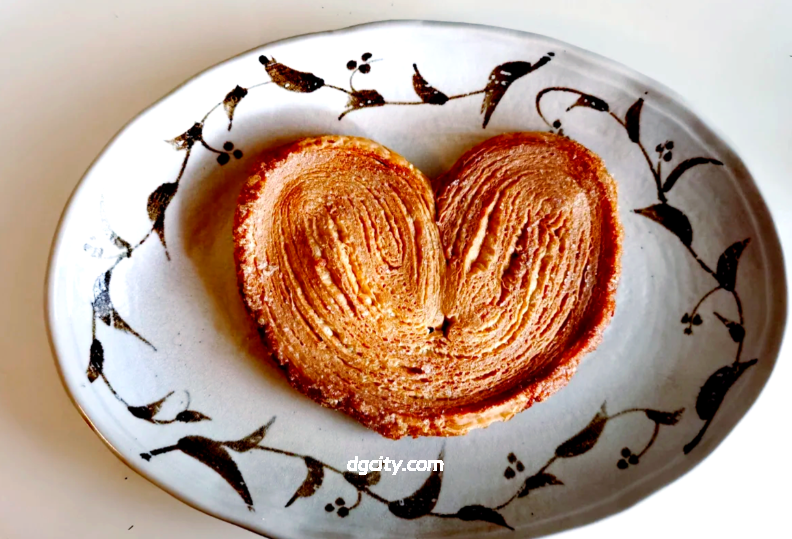
Beijing-style Pastries, represented by Daoxiangcun, integrate sophistication and sentiment into every piece. From jujube flower crisps and hawthorn pastries to walnut shortbreads, each pastry is made with high-quality ingredients and exquisite craftsmanship, carrying the legacy of traditional Chinese pastries and reflecting the lifestyle of old Beijingers. Whether as a festival gift or a daily treat, Beijing-style pastries are indispensable, serving as a carrier of heartfelt greetings and cultural inheritance.
These Beijing culinary symbols connect the city’s past and present. Each taste is a precipitation of culture, and each technique is a testament to inheritance. Together, they constitute the unique charm of Beijing’s culinary culture and become an irreplaceable taste of nostalgia in the hearts of Chinese people.





暂无评论内容