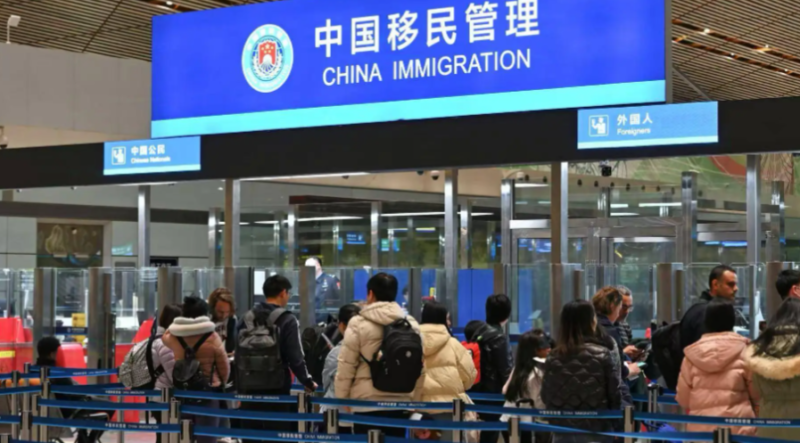





Foreign travelers must strictly abide by the relevant rules on stay and residence after entering China. Different entry purposes correspond to different stay durations and residence requirements. To help you clearly understand the boundaries of short-term stay, the handling of residence permits and subsequent procedures, this article systematically sorts out the core points based on the latest 2026 policies, providing comprehensive guidance for legal stay and residence in China.
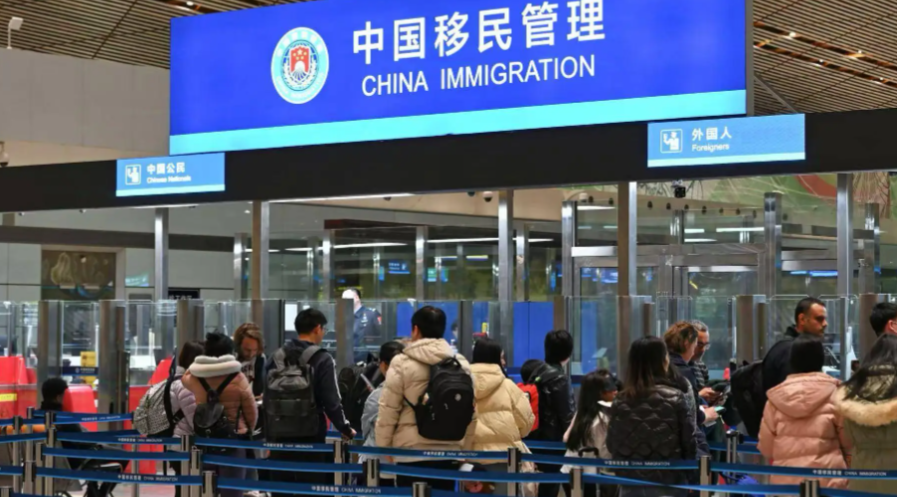
The short-term stay duration is bounded by 180 days, referring to the period during which travelers can legally stay with entry documents without applying for a residence permit, and the specific duration varies according to the entry method. Among visa-free entry travelers, those from countries with unilateral visa-free access can stay for a maximum of 30 days per trip, while the stay duration for travelers from bilateral visa-free countries is implemented in accordance with inter-state agreements. For example, the China-Azerbaijan mutual visa exemption agreement stipulates that citizens of both countries can stay for a total of no more than 90 days within 180 days, with a maximum single stay of 30 days. The stay duration for visa-on-arrival travelers is usually 30 to 90 days, subject to the approval result of the entry port. Those entering with ordinary visas such as tourist visas (L visa) and business visas (M visa) have the stay duration generally marked on the visa, mostly 30, 60 or 90 days, and must leave the country within the marked period without overstaying.
It should be noted that short-term stay is only applicable to non-long-term activities such as tourism, business investigation and short-term family visits, and no activities requiring approval such as work and study are allowed. The stay duration is calculated from the day after entry. Overstaying will result in a fine of 500 yuan per day (with a maximum of no more than 10,000 yuan), and serious cases may lead to entry restrictions. If it is necessary to extend the short-term stay, an application for extension must be submitted to the exit-entry administration of the public security organ at the intended place of residence 7 days before the expiration of the stay period, which is limited to one extension, and the extension duration is determined according to the original stay type.
Residence permits are applicable to foreigners planning to stay in China for more than 180 days and engage in long-term activities such as work, study and family reunion. They must apply to the exit-entry administration of the public security organ at the intended place of residence within 30 days of entry with the corresponding visa. Applicants need to submit a valid passport, a visa application form, a photo meeting the standards, and supporting documents related to the application reason. Those applying for a residence permit with a validity period of more than 1 year also need to provide a physical health certificate issued by a county-level or above health department to confirm that they have no major infectious diseases.
Work-related residence permits require entry with a Z visa, and submission of a work permit issued by the human resources and social security department or the State Administration of Foreign Experts Affairs, as well as a letter from the employer. The residence duration is classified according to the applicant’s qualifications: foreign high-level talents, urgently needed professionals and investors can obtain a residence permit for a maximum of 5 years, staff of registered units with good reputation for a maximum of 2 years, and other personnel for a maximum of 1 year. Study-related residence permits correspond to X1 visas, requiring submission of a letter from the school indicating the study duration and an admission certificate, with the residence duration consistent with the study duration; those holding study-related residence permits who need to work part-time or intern off-campus must submit consent letters from the school and the internship unit to apply for an annotation on the residence permit.
Family reunion residence permits are applicable to family members entering with a Q1 visa, requiring submission of the identity certificate of the person being visited and proof of kinship (such as marriage certificate, birth certificate, etc.). Applicants under 18 years old and over 60 years old can obtain a residence permit for a maximum of 3 years, with the residence period for those under 18 expiring on their 18th birthday, and a maximum of 2 years for others. For underage foreign children of overseas Chinese fostered in China, the foster guardian can apply on their behalf, needing to submit the birth certificate, the parents’ power of attorney, the guardian’s residence certificate and other materials, with a maximum residence period of 3 years. Residence permits for private affairs are applicable to situations such as family visits, Medical treatment and property purchase, with the residence duration determined according to the reason, up to a maximum of 3 years.
Applications for residence permit extension must be submitted 30 days before the expiration of the validity period, along with the original residence permit, valid passport and supporting documents related to the residence reason. Upon approval, the residence duration can be extended, with no clear limit on the number of extensions, provided that the requirements of the corresponding residence type are met. Modification of residence permits applies to changes in registered items such as residence reason and address. For example, if the employer changes, a new work permit and letter from the new unit must be submitted to apply for a new residence permit.
Cancellation of residence permits is divided into voluntary application and compulsory cancellation. Before departure, if the residence permit is still valid, travelers can voluntarily apply for cancellation to the exit-entry administration; if the residence permit expires without extension, is revoked, or the traveler is ordered to leave the country, the residence permit will be automatically cancelled. In case of loss or damage of the residence permit, a passport loss report or the damaged certificate must be submitted to apply for a replacement, and a temporary certificate can be used for legal stay during the replacement period.
Finally, it is reminded that all stay and residence activities must strictly abide by Chinese laws and shall not exceed the scope of the permit. Policies may be adjusted dynamically. It is recommended to log on to the official website of China’s National Immigration Administration to confirm the latest requirements before traveling and handling relevant procedures to ensure compliant stay and residence.











暂无评论内容