





With the increasingly close exchanges between China and the world, more and more foreign travelers come to China for tourism, family visits, business, study or public welfare activities. To help you easily cope with the entire entry process, avoid process obstacles and lower the entry threshold, this guide integrates the latest 2026 entry policies, adheres to the principle of “practicality first, easy to understand and remember”, detailedly breaks down the four core links of pre-departure preparation, entry inspection, post-entry procedures, and answers common questions simultaneously, helping every foreign traveler enter China smoothly and stay at ease.

I. Pre-Departure Preparation: Lay a Solid Foundation for Entry, Avoid Missing Documents
Pre-departure preparation is the key to smooth entry, focusing on “complete materials and compliance with regulations”. Focus on three key matters: visa application, notarization and authentication, and physical examination and vaccination certificates (if applicable). You can check them one by one according to the list to avoid omission.
Visa Application Document List (Required + Supplementary): Required documents include ① Original passport with a validity of more than 6 months and a copy (reserve at least 1 blank visa page, ensuring no damage or modification); ② Online-filled and printed China Visa Application Form (can be filled out through the official website of China Visa Application Service Center https://www.visaforchina.cn/, truthfully fill in the purpose of entry, duration of stay and other information); ③ Recent bare-headed white background color photo (size 48mm×33mm, taken within 6 months, no headdress or obstruction); ④ Documents related to the purpose of entry (tourist visa requires itinerary and hotel reservation; business visa requires invitation letter from Chinese inviting unit; family visit visa requires kinship certificate and identity certificate of the person being visited). Supplementary documents include ① Itinerary proof (round-trip air ticket booking confirmation); ② Financial proof (bank statement of the past 6 months, deposit certificate, or cost-bearing certificate issued by the Chinese inviting unit); ③ Accompanying family members need to provide additional kinship certificate and a copy of the main applicant’s visa materials.
Notarization and Authentication Requirements: Some documents need to be notarized and authenticated in advance to avoid visa rejection due to non-compliant materials. Documents requiring notarization mainly include kinship certificate, academic certificate, certificate of no criminal record, etc.; The authentication process is: first get notarization from a local notary public in the traveler’s home country, then submit it to the Chinese embassy or consulate in that country for authentication. It should be noted that public documents issued by contracting states of the “Convention Abolishing the Requirement of Legalization for Foreign Public Documents” can simplify the authentication process in accordance with the convention, without additional embassy or consulate authentication. All foreign-language notarized documents need to be accompanied by Chinese translations, and the translations must be stamped with the official seal of a regular translation agency.
Physical Examination and Vaccination Certificates (If Applicable): Short-term entry travelers (stay ≤ 180 days) with no special requirements do not need to provide physical examination certificates; Long-term entry travelers (stay > 180 days), those coming to China for work or study, need to complete a physical examination in advance at a local regular hospital or a hospital designated by the Chinese embassy or consulate abroad to obtain the “International Travel Health Examination Certificate”. The physical examination items must include core items such as infectious disease screening and cardiopulmonary function, and the physical examination certificate is valid for 6 months. Regarding vaccination certificates, China currently has no mandatory requirement for COVID-19 vaccination. However, if travelers are from countries/regions with high incidence of infectious diseases such as yellow fever and cholera, they need to provide corresponding vaccination certificates, otherwise they may be required to be isolated for observation or refused entry. For details, you can check the latest announcement of China Customs in advance.
II. Entry Inspection: Full Process Practical Operation at Ports, Pass Customs Easily Without Pitfalls
Entry inspection is mainly divided into three links: “frontier inspection → luggage collection → customs declaration”. The whole process is clear. You can pass customs quickly by cooperating with the requirements of each link. Focus on mastering the key points of document verification and customs declaration norms to avoid obstacles.
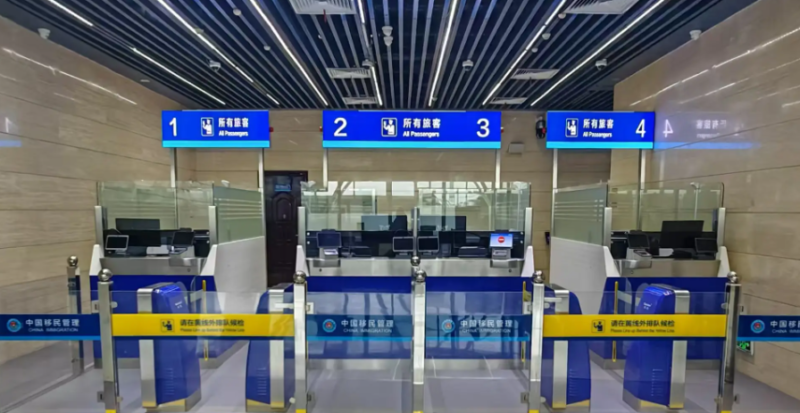
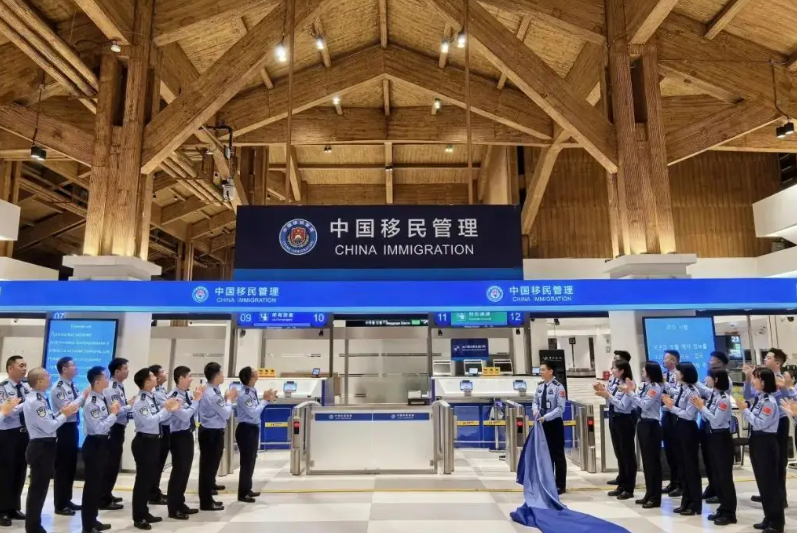
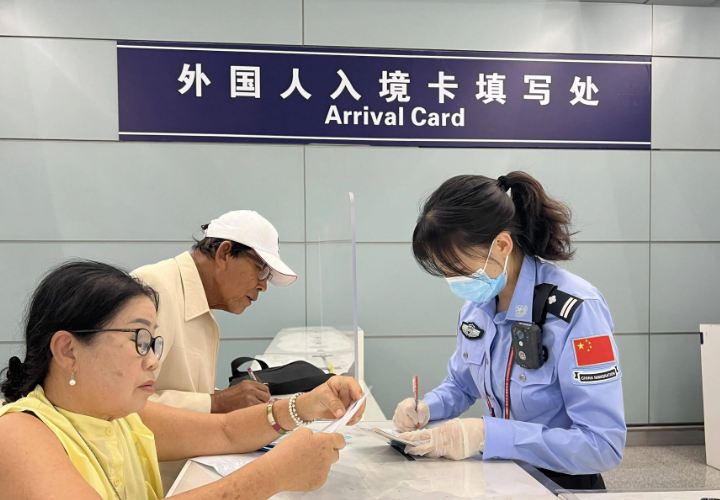
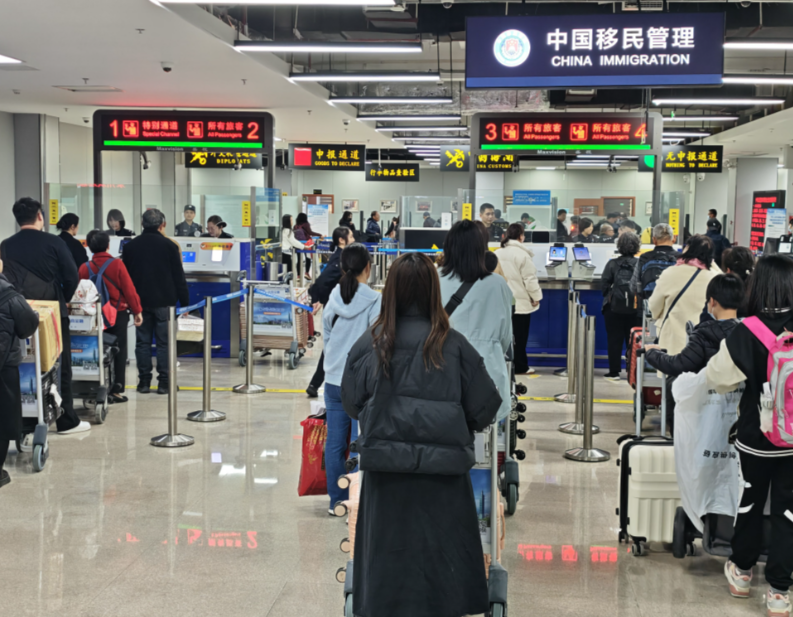
Port Inspection Process (Step by Step): Step 1: After the plane arrives at the Chinese port, follow the signs to the frontier inspection area, prepare the original passport and visa in advance, and there is no need to fill in the entry registration card (electronic entry registration is fully implemented now, which can be filled in by scanning the code at the frontier inspection self-service machine or with the assistance of frontier inspection staff); Step 2: Submit the documents to the frontier inspection window, cooperate with the staff to complete face recognition and fingerprint verification (travelers under 14, over 70 and those who have provided fingerprints within the past 5 years are exempt from fingerprint collection). The staff may ask simple questions such as the purpose of entry, duration of stay and accommodation location, just answer truthfully; Step 3: After successful verification, the staff will stamp an entry seal on the passport, indicating the date of entry and the duration of stay. Be sure to check carefully and leave the window only after confirming it is correct; Step 4: Go to the luggage claim area, find the corresponding flight’s luggage carousel according to the electronic screen prompt, and pick up your personal luggage. If the luggage is lost or damaged, you can contact the airport luggage service center to register and handle it; Step 5: Carry your luggage to the customs declaration area, complete the declaration as required, and then you can leave the airport and go to your accommodation.
Key Points of Document Verification: Focus on checking 3 points: ① Whether the passport is valid for more than 6 months, whether the visa is within the validity period, and whether the purpose of entry is consistent with the visa type (e.g., tourist visa cannot be used for business, work and other activities); ② Whether the information on the entry seal is clear and whether the duration of stay meets expectations. If there is an error, immediately propose a correction to the frontier inspection staff; ③ Whether the documents of accompanying family members are complete and whether the kinship certificate is consistent with the actual situation (if applicable). It should be noted that if the traveler’s passport or visa is damaged, altered, or the purpose of entry cannot be explained, he/she may be detained by the frontier inspection for further verification, and even refused entry in serious cases.
Customs Declaration Norms: Focus on distinguishing “items requiring declaration” and “prohibited items”, declare truthfully, and there is no need to worry excessively. Failure to declare in accordance with regulations may face penalties such as fines and detention of items. Items requiring declaration include ① Cash: Foreign currency cash equivalent to 5,000 US dollars or more, or RMB cash of 20,000 yuan or more; ② Valuable items: Jewelry, watches, electronic products, etc., worth more than 5,000 yuan RMB; ③ Medicines: Medicines exceeding the personal use scope (such as prescription drugs, psychotropic drugs), which need to provide doctor’s prescription and drug instructions; ④ Alcohol and tobacco: More than 1,500 milliliters of alcohol (alcohol content ≥ 12 degrees), more than 400 cigarettes (or more than 100 cigars, more than 500 grams of tobacco); ⑤ Others: Animals and plant products, fresh food, endangered species, controlled knives, flammable and explosive items, etc. (some require prior approval procedures). Prohibited items include ① Drugs, obscene items, illegal publications; ② Forged documents and currencies; ③ Unauthorized quarantined animals and plant products; ④ Controlled knives, firearms, ammunition and other dangerous goods. Declaration process: You can fill in the declaration form at the customs self-service declaration machine, or take the initiative to inform the customs staff of the items requiring declaration, submit relevant supporting documents, and cooperate with the inspection.
III. Post-Entry Procedures: Complete in Time Without Delay, Stay Compliantly and At Ease
After entry, you need to focus on completing temporary accommodation registration and residence registration (if applicable), and master the process of document replacement/renewal to avoid illegal stay due to delayed procedures or document problems. All procedures have clear time limits, so be sure to keep them in mind.
Temporary Accommodation Registration (Required for All): All foreign travelers must complete temporary accommodation registration within 24 hours of entry into China, regardless of the duration of stay. Failure to complete registration on time will face warnings, fines from the public security organ, and even affect subsequent visa extension and replacement. There are 2 channels for registration: ① Accommodation hotel: If staying in a regular hotel, the hotel staff can assist in the registration. You only need to provide the original passport, visa and fill in the accommodation registration form. The hotel will synchronously report the registration information to the public security organ; ② Non-hotel accommodation (such as relatives’ homes, homestays): The traveler himself/herself or the person providing accommodation needs to carry the traveler’s original passport, visa, the identity certificate of the person providing accommodation, go to the community police room, police station or foreigner service station at the place of accommodation, fill in the “Foreigners Temporary Accommodation Registration Form”, and receive the registration receipt after completion, which must be kept properly.
Residence Registration (Required for Long-Term Entry): Travelers with a stay of more than 180 days need to go to the local public security entry-exit administration to complete residence registration and obtain the “Foreigners Residence Permit” within 30 days of entry, otherwise it will be regarded as illegal stay. Required documents include ① Original passport and copy; ② Original visa and copy; ③ “International Travel Health Examination Certificate”; ④ Documents related to the purpose of entry (such as work permit, school admission notice); ⑤ Temporary accommodation registration receipt; ⑥ Recent bare-headed photo. Fill in the “Foreigners Residence Permit Application Form”, submit the documents, and wait for 7-10 working days for approval. After approval, receive the residence permit, and participate in the annual inspection in accordance with regulations later.
Document Replacement/Renewal Process: If the passport or visa is lost, damaged, or the visa page is used up, or the purpose of stay is changed, you need to go through the replacement/renewal process in time to avoid illegal stay. ① Passport replacement/renewal: Go to the embassy or consulate of your home country in China to apply, submit the passport loss/damage statement, recent photos, identity certificate and other materials. After receiving the new passport, you need to go to the Chinese public security entry-exit administration in time to go through the visa transfer process and transfer the original visa information to the new passport; ② Visa replacement/renewal: Apply to the local public security entry-exit administration within the validity period of the visa, submit the original passport, new passport (if applicable), loss/damage statement, entry certificate, temporary accommodation registration receipt and other materials. For visa replacement due to changed purpose of stay, additional supporting documents for the change (such as residence permit approval document, work permit) are required. The replacement/renewal cycle is about 7 working days. After approval, receive the new visa. The renewed visa is consistent with the original visa type and validity period, and the replaced visa will be approved according to the new purpose of stay. After replacement, the original visa will automatically become invalid and cannot be reused. It should be noted that if you need to leave China temporarily during the replacement/renewal period, you can apply for a temporary exit certificate from the entry-exit administration to avoid affecting your trip.
IV. Frequently Asked Questions (FAQ): Solve Process Obstacles, Clarify Ambiguous Policies
Combined with common obstacles and high-frequency questions encountered by foreign travelers when entering China, the following core questions and practical answers are sorted out, covering four categories: materials, inspection, procedures and policies, helping you quickly solve the problem of “what to do when encountering problems” and avoid violations.
1. Q: What if materials are missing or filled in incorrectly when applying for a visa? A: If you find missing materials after submission, you can contact the China Visa Application Service Center to supplement them during the visa review period. Supplementary materials must be submitted before the review deadline, otherwise the review may fail; If the filled-in information is incorrect, you need to modify the application form online again, print it and submit it again to avoid visa rejection due to false or incorrect information. It is recommended to check the document list one by one before submission to ensure consistent and complete information.
2. Q: During entry inspection, if the frontier inspection staff asks about the purpose of entry and you cannot express it clearly, what should you do? A: You can prepare a Chinese-English bilingual explanation of the purpose of entry in advance (indicating the reason for entry, duration of stay, accommodation location and itinerary), and show it to the staff during inspection; You can also ask a Chinese-speaking companion for translation assistance, or contact the Chinese inviting unit or accommodation hotel for help. Just answer truthfully, no need to be overly nervous, and avoid concealing information leading to inspection obstacles.
3. Q: What are the consequences if the temporary accommodation registration is not completed on time? How to make up for it? A: Failure to complete temporary accommodation registration on time will result in warnings and fines from the public security organ. In serious cases, it may affect subsequent visa extension and replacement, and even restrict entry. Remedy: Immediately go to the community police room or police station at the place of accommodation, explain the reason for the delay, submit the passport, visa, accommodation certificate and other materials, make up for the temporary accommodation registration, and actively cooperate with the staff to handle it to strive for reduced or exempted penalties.
4. Q: After long-term entry, what should I do if I fail to complete the residence registration on time? A: Immediately go to the local public security entry-exit administration, submit a written explanation, passport, visa, physical examination certificate, documents related to the purpose of entry, etc., apply for making up the residence registration, and accept the corresponding punishment at the same time; If the delay exceeds 30 days, you may be fined or even deported. It is recommended that long-term entry travelers keep in mind the time limit of “completing residence registration within 30 days of entry” and prepare materials in advance.
5. Q: What if the items carried are detained by customs for failure to declare in accordance with regulations? A: Actively cooperate with the customs staff for verification, explain the purpose and quantity of the items. If the items are subject to declaration but not declared, you can pick up the items after paying the relevant taxes and fees and completing the declaration procedures; If the items are prohibited, the customs will detain and confiscate them in accordance with the law, and you may face fines in serious cases. It is recommended to check the China Customs declaration norms in advance before entry. If you are not sure whether declaration is required, you can take the initiative to consult the customs staff.
6. Q: Can I enter China if the physical examination certificate is expired or the vaccination certificate is missing? A: If the physical examination certificate is expired, long-term entry travelers need to re-conduct the physical examination to obtain a valid physical examination certificate before applying for residence registration. Short-term entry travelers do not need a physical examination certificate and it will not affect entry; If the vaccination certificate is missing, if you are from a country/region with high incidence of infectious diseases, you need to be isolated for observation at a designated place or make up for the vaccination certificate in accordance with the customs requirements, otherwise you may be refused entry. For details, you can contact China Customs in advance.
7. Q: If I want to extend the duration of stay within the validity period of the visa, how should I handle it? A: Apply for a visa extension at the local public security entry-exit administration 7 days before the visa expires, submit the extension application form, passport, visa, temporary accommodation registration receipt, documents related to the purpose of entry (such as the extension explanation from the Chinese inviting unit, itinerary change certificate) and other materials. The review cycle is no more than 7 working days. The total extended stay shall not exceed the maximum stay period of the original visa and is only valid for this entry. Failure to apply for extension on time will be regarded as illegal stay.
8. Q: Can foreign-language materials be used for visa application without translation or notarization and authentication? A: No. All foreign-language materials (including notarized materials and certificates) need to be provided with Chinese translations stamped with the official seal of a regular translation agency, otherwise they will be regarded as non-compliant materials; Materials requiring notarization and authentication (such as kinship certificate, academic certificate) that have not been notarized and authenticated will directly lead to visa application rejection. It is recommended to plan the notarization, authentication and translation time in advance to avoid delaying the trip.









暂无评论内容