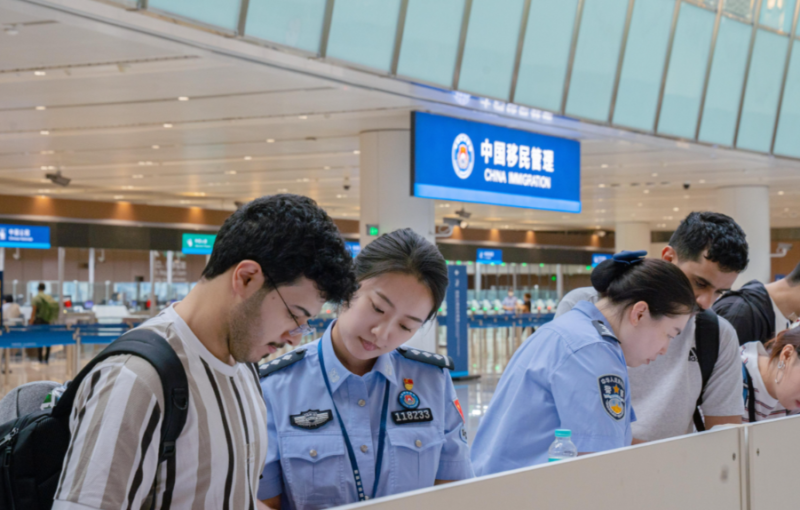





With the continuous deepening of China’s opening-up, China’s Free Trade Zones (FTZs), Hainan Free Trade Port (HFTP) and border ports, relying on their unique regional positioning, have launched a series of special entry policies for foreign travelers. These policies aim to simplify entry procedures, improve customs clearance efficiency and facilitate cross-border exchanges, covering visa exemption, extension of stay, customs clearance facilitation and other aspects, which are significantly different from ordinary entry procedures. To help foreign travelers accurately grasp the policy points of each region, avoid process obstacles and stay compliantly, this guide integrates the latest 2026 policies, takes practical operation as the core, and detailedly interprets the special entry rules, applicable conditions, handling procedures and precautions of the three major regions. With more than 700 words and easy-to-understand content, it helps every foreign traveler easily enjoy the dividends of regional policies.
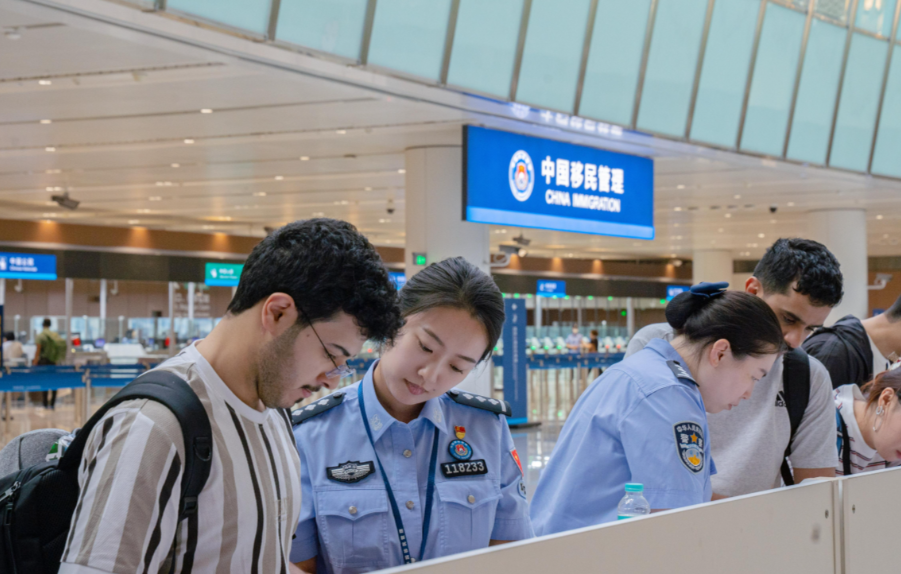
As the forefront of opening-up, China’s Free Trade Zones (FTZs) have been laid out in many provinces and cities such as Shanghai, Guangdong, Tianjin and Fujian. Relying on their own industrial advantages, each FTZ has launched targeted entry facilitation policies for foreign travelers, focusing on entry purposes such as business, tourism and family visits, simplifying procedures and improving efficiency. For foreign travelers, the most prominent entry convenience of FTZs lies in visa simplification and stay period optimization.
In terms of visa convenience, all FTZs support foreign travelers to apply for Port Visas. There is no need to apply for a visa in advance at the Chinese embassy or consulate in their home country. After arriving at the designated port of the FTZ, foreign travelers can apply for a Port Visa on site with a valid passport and supporting documents for the purpose of entry (such as a business invitation letter, itinerary, kinship certificate, etc.). The processing time is usually no more than 1 hour, which greatly saves the preliminary preparation time. Among them, Shanghai and Guangdong FTZs have launched an “express business visa processing” service for business travelers. Eligible foreign business people can apply for a multiple-entry business visa with a validity period of 3 months to 1 year with an invitation letter from a Chinese enterprise. After entry, they can move freely across China without going through additional procedures to lift regional restrictions.
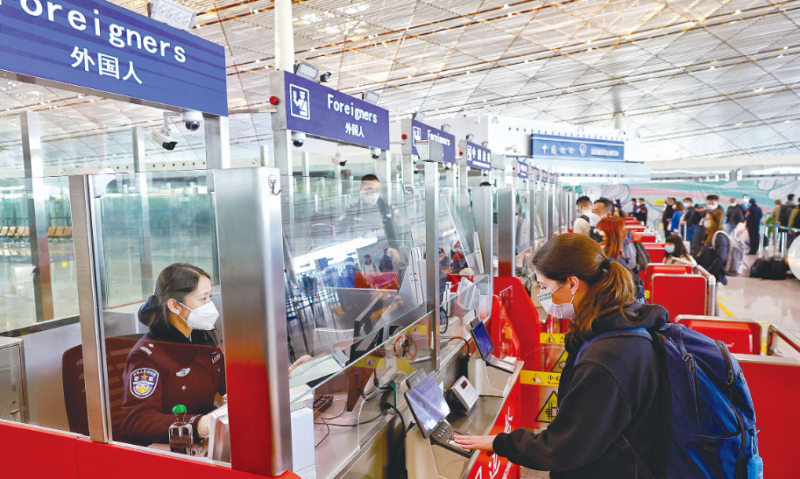
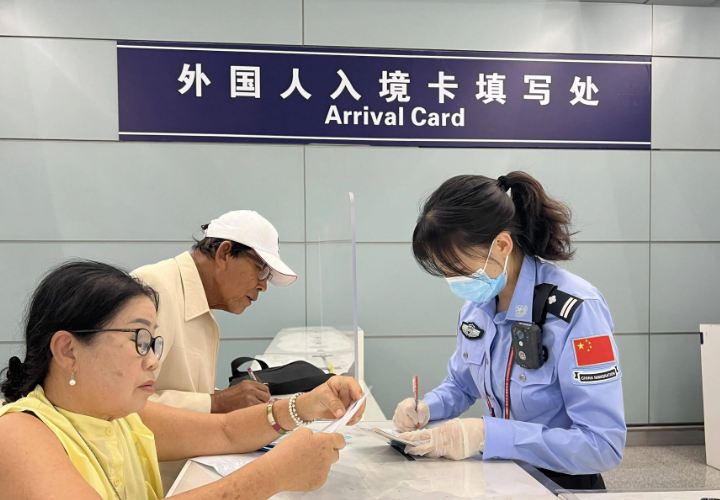
In terms of stay period and customs clearance convenience, FTZs implement a policy of “simplified inspection and convenient customs clearance”. Foreign travelers entering FTZs with valid visas do not need to fill in an entry registration card for short-term stays (no more than 30 days), and can complete face recognition and fingerprint verification through the self-service border inspection channel to clear customs directly; for long-term stays (more than 30 days), they need to complete temporary accommodation registration in accordance with regulations, but the process is simplified and can be handled one-stop through the exclusive service window of the FTZ. In addition, FTZs implement “classified inspection” for incoming luggage. Personal belongings carried by ordinary travelers can pass through customs quickly without cumbersome declaration, and only suspicious items and items exceeding the scope of personal use are subject to key inspection, improving customs clearance efficiency. It should be noted that foreign travelers entering China with special FTZ visas are not allowed to engage in illegal employment, illegal operations and other activities. If they need to change the purpose of entry (such as from tourism to work), they must apply to the local public security entry-exit administration in advance, otherwise it will be regarded as illegal stay.
As China’s only provincial-level comprehensive free trade port, Hainan Free Trade Port (HFTP), relying on the policy advantages of “zero tariff, low tax rate and simplified tax system”, has launched more attractive entry policies for foreign travelers than other regions, focusing on “visa-free entry and convenient stay”, covering multiple entry purposes such as tourism, business, family visits and Medical treatment, and is an important preferred destination for foreign travelers to China.
The most representative policy of Hainan FTP is the “59-country visa-free entry”. The policy was continuously optimized in 2026, covering 59 countries including Russia, the United Kingdom, France, Germany, the United States, Canada, Japan, South Korea and Singapore. Foreign travelers from these countries do not need to apply for a Chinese visa in advance. They can directly enter Hainan FTP with a valid passport, return air ticket (or air ticket to a third country) and hotel reservation, with a visa-free stay period of 30 days. The stay period starts from 00:00 on the day after entry, and they can move freely within the administrative region of Hainan without going through additional regional access procedures. The visa-free entry method is flexible, which can be done through three ways: invitation and reception by travel agencies, invitation and reception by units or self-declaration, which greatly improves the convenience of entry.
In addition to the visa-free policy, Hainan FTP has also launched a number of supporting convenience measures. In terms of customs clearance, each port of Hainan FTP has set up an “exclusive customs clearance channel for foreign travelers”, simplifying the inspection process to achieve “fast customs clearance and efficient inspection”, and the customs clearance time for ordinary travelers is no more than 10 minutes; in terms of stay extension, after the expiration of the visa-free stay, eligible foreign travelers can apply for an extension once at the local public security entry-exit administration, with an extension period of no more than 30 days, and the cumulative stay period shall not exceed 60 days, and the extension can be completed without leaving the country. In addition, for foreign travelers staying for a long time, Hainan FTP has simplified the residence registration process. Travelers staying for more than 180 days can complete residence registration one-stop and obtain a “Foreigner’s Residence Permit” with a valid passport, physical examination certificate and relevant materials for the purpose of entry. It should be noted that foreign travelers entering Hainan visa-free can only move within the administrative region of Hainan, not to other provinces and cities in China, and are not allowed to engage in illegal activities such as work and study. The policy will be optimized in the next step to allow visa-free entry for purposes such as commerce, visit, family visit, Medical treatment, exhibition and sports competition, except for work and study purposes.
As an important gateway for China’s exchanges with neighboring countries, border ports, relying on geographical advantages, have launched special entry rules for foreign travelers from neighboring countries and other countries, focusing on “short-term entry and convenient exchanges”, adapting to short-term entry needs such as border trade, cross-border tourism and family visits. The policies are obviously regional and targeted, and the policies of different ports are slightly different, but the overall process is simplified and the threshold is low.
The special entry policies for border ports are mainly divided into two categories: one is “short-term visa-free for neighboring countries”, applicable to foreign travelers from neighboring countries bordering China, such as Russia, Mongolia, Vietnam, Myanmar and Laos. Travelers from these countries can apply for short-term visa-free entry at designated border ports with valid passports, with a visa-free stay period of usually 15 days, and can move in the city where the port is located and the designated surrounding areas, mainly for cross-border tourism, family visits and border trade negotiations. For example, Manzhouli Port (China-Russia border), Ruili Port (China-Myanmar border) and Dongxing Port (China-Vietnam border) all support 15-day visa-free entry for travelers from neighboring countries, without the need to apply for a visa in advance, and entry inspection can be completed on site.
The other category is “group visa-free for border tourism”, applicable to foreign travelers from all countries. As long as they participate in cross-border tourism groups organized by border tourism group agencies approved by the Chinese government, they can enter the area where the border port is located visa-free with a valid passport and travel group itinerary, with a stay period of no more than 7 days, and can participate in tourism activities within the border area, not allowed to move beyond the scope or leave the group. In addition, border ports also support “express processing of port visas”. For foreign travelers who have not applied for a visa in advance, they can apply for a port visa on site with a valid passport and supporting documents for the purpose of entry, with a processing time of no more than 30 minutes. The stay period is determined according to the purpose of entry, usually 7-30 days.
It should be noted that after entering China through the special policies of border ports, foreign travelers must strictly abide by the regional activity restrictions and shall not move beyond the designated area of the port; they must leave the country on time after the expiration of their stay, and if they need to extend their stay, they must apply to the border inspection authority of the border port in advance, and can only extend it once; at the same time, they are not allowed to engage in illegal activities such as illegal border trade and illegal employment by using the border port entry policy, otherwise they will be refused entry or deported, affecting their subsequent trips to China.
To help foreign travelers quickly solve policy questions and avoid illegal risks, the following high-frequency FAQs are sorted out: 1. Can I go to other provinces and cities such as Guangzhou and Shanghai after entering Hainan FTP visa-free? Answer: No, visa-free entry is only allowed within the administrative region of Hainan. To go to other provinces and cities, you need to apply for a valid Chinese visa in advance. 2. Is there any difference between the FTZ port visa and the ordinary visa? Answer: There is no essential difference. The port visa can be handled on site, with the same validity period as the ordinary visa and the same rights and interests after entry, only different handling channels. 3. What materials do travelers from neighboring countries need to provide to enter visa-free through border ports? Answer: Only a valid passport is required, no additional materials such as itinerary and hotel reservation are needed, and entry inspection can be completed on site. 4. How to apply for an extension after the expiration of the visa-free stay in Hainan FTP? Answer: You can go to the local public security entry-exit administration, submit your passport, extension application and relevant supporting documents, and complete the extension one-stop without leaving the country.








暂无评论内容