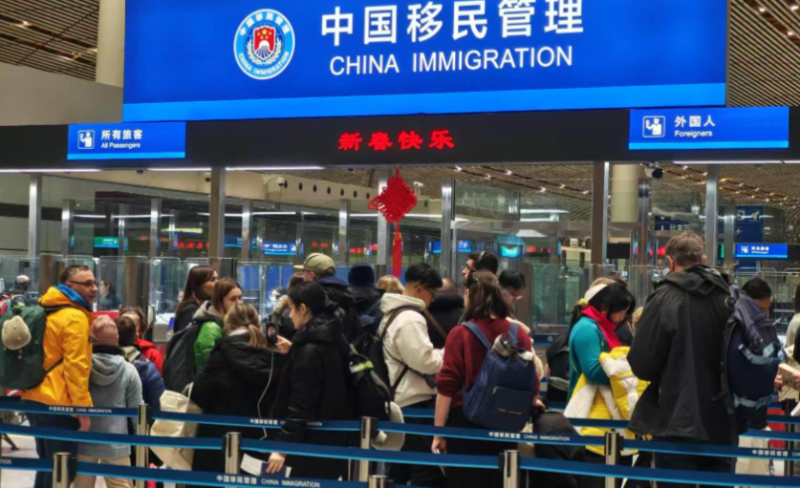





To further deepen opening-up and facilitate cross-border exchanges between Chinese and foreign personnel, China has launched differentiated entry policies for different countries/regions, focusing on two core sectors: the list of visa-free countries/regions for China and bilateral reciprocal entry policies. These policies balance convenience and compliance, adapting to various entry purposes of foreign travelers such as tourism, business and family visits. In 2026, China continues to optimize entry policies, extending multiple visa-free periods, expanding the scope of visa exemption, and deepening bilateral reciprocal cooperation, allowing more foreign travelers to enjoy the convenience of “traveling on a whim” to China. This guide integrates the latest 2026 policies, takes practical operation as the core, and detailedly interprets the classification, applicable conditions and stay duration of China’s visa-free countries/regions, as well as the specific content and applicable scenarios of bilateral reciprocal entry policies. The Chinese and English contents correspond synchronously, with more than 700 words each, helping foreign travelers quickly grasp the entry policies of their own countries/regions, avoid process obstacles, and enter China compliantly and smoothly.
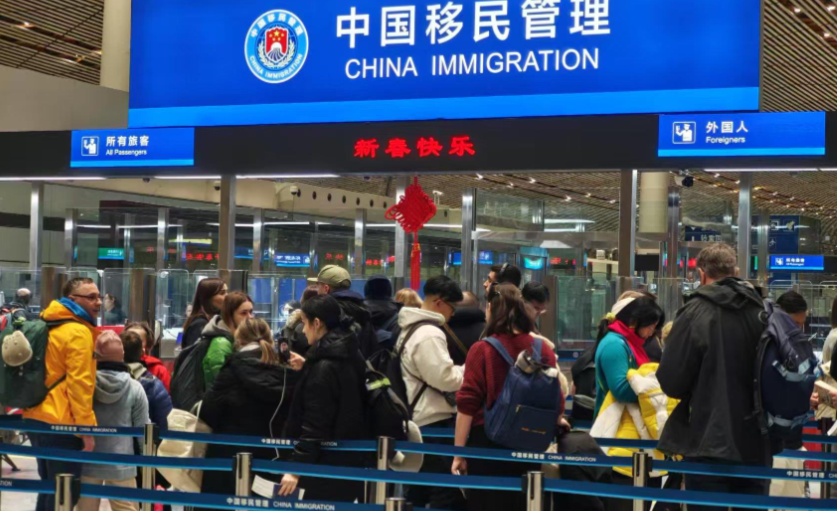
The list of visa-free countries/regions for China is a core part of China’s country-specific differentiated policies. The 2026 latest list is divided into three categories: mutual visa exemption for ordinary passports, unilateral visa exemption, and visa-on-arrival/electronic visa-on-arrival. Each category has clear applicable scope, stay duration and handling requirements. Foreign travelers can quickly match the corresponding policies according to their nationality, without cumbersome advance visa application procedures, greatly saving time costs.
The first category is countries/regions with mutual visa exemption for ordinary passports, meaning China and the other country mutually exempt ordinary passport holders from entry visas. Citizens of both countries can directly enter the other country with valid ordinary passports, enjoying the same stay convenience, which reflects the reciprocity and convenience of bilateral exchanges. In 2026, there are 15 such countries, covering Asia, Europe, the Americas and other regions, with representative countries including Thailand, San Marino, Serbia, Belarus, Ecuador, etc. Among them, the China-Thailand mutual visa exemption policy remains in effect. Ordinary passport holders of both countries can enter the other country visa-free, with a single stay of no more than 30 days and a cumulative stay of no more than 90 days within 180 days. After entry, they can move freely without additional registration procedures, applicable to non-work entry purposes such as tourism, business and family visits. For European countries such as Serbia and Belarus, the mutual visa exemption period with China is 30 days, and after entry, travelers can move freely across China without regional restrictions; for American countries such as Ecuador, the mutual visa exemption period is 90 days, meeting both long-term and short-term entry needs. It should be noted that mutual visa exemption only applies to ordinary passport holders. Entry rules for special passports such as diplomatic passports and official passports shall follow additional agreements between the two parties, and no illegal activities such as illegal employment or study are allowed after entry.
The second category is countries/regions with unilateral visa exemption, meaning China unilaterally exempts ordinary passport holders of these countries from entry visas. Citizens of the other countries can directly enter China with valid ordinary passports without applying for a visa in advance, while Chinese citizens still need to apply for a visa in accordance with regulations when going to the other countries (some countries also offer visa exemption to Chinese citizens, which are included in the mutual exemption category). In 2026, there are 48 such countries, the largest scope in the visa-free list, covering Europe, Asia, the Americas, Oceania and other regions, with clear and continuously optimized policy periods. Among them, the visa-free policy for 46 countries including France, Germany, Italy, the Netherlands and Spain has been extended to December 31, 2026; the visa-free policy for Sweden has been implemented from November 10, 2025 to December 31, 2026; the visa-free policy for Russia is valid until September 14, 2026; and the visa-free policy for Brunei has no time limit. Citizens of the above countries can enter China visa-free for business, tourism, family visits, exchanges and visits, or transit with valid ordinary passports, with a stay of no more than 30 days. The stay period starts from the day after entry, no need to fill in an entry registration card, and can pass through customs quickly. In addition, citizens of Asian and African countries such as Indonesia, Morocco and Tunisia can stay visa-free for 30 days with a simplified entry process, only needing to provide a valid passport and a return air ticket (or an air ticket to a third country).
The third category is countries/regions with visa-on-arrival/electronic visa-on-arrival. Citizens of the other countries do not need to apply for a visa in advance at Chinese embassies or consulates abroad. They can apply for a visa-on-arrival on site after arriving at designated Chinese ports, or apply for an electronic visa-on-arrival online in advance. The entry process is convenient, suitable for foreign travelers with temporary trips or emergency entry. In 2026, there are more than 30 such countries, covering Asia, Africa, the Americas and other regions, with representative countries including Malaysia, Vietnam, Cambodia, Laos, Myanmar, etc. To apply for a visa-on-arrival, you need to provide materials such as a valid passport, return air ticket and hotel reservation. The handling fee varies slightly according to the country, and the stay period is usually 15-30 days. It can be handled at designated ports (such as international airports in Beijing, Shanghai, Guangzhou, Shenzhen, etc.), with a handling time of no more than 1 hour. Electronic visa-on-arrival can be applied for online in advance through the official website of the China Visa Application Service Center by filling in information, uploading materials and paying fees. After approval, you can enter China with the electronic visa receipt, without queuing on site, further improving customs clearance efficiency. It should be noted that visa-on-arrival/electronic visa-on-arrival can only be handled at designated ports, and cannot be handled at ports that do not offer visa-on-arrival. Ensure that the materials are true and complete to avoid entry obstacles due to missing materials.
In addition to the list of visa-free countries/regions for China, bilateral reciprocal entry policies are an important supplement to China’s country-specific differentiated policies. The core is that China has reached a consensus on reciprocal entry policies with relevant countries. In addition to mutual visa exemption, it also includes a number of supporting measures such as simplified visa procedures, extended stay periods and convenient customs clearance, balancing the convenience of cross-border exchanges for citizens of both parties and promoting bilateral exchanges and cooperation.
Bilateral reciprocal entry policies are mainly divided into three categories: first, reciprocal simplified visa procedures. China and relevant countries have agreed that when citizens of both parties apply for visas to the other country, they can simplify materials, shorten the review cycle and reduce handling fees. For example, China has reached reciprocal agreements with the United States and Canada. Citizens of both parties can apply for multiple-entry visas with a maximum validity period of 10 years when applying for tourism and business visas. The review cycle is shortened to 5-7 working days, and there is no need to submit cumbersome materials repeatedly; China has reached reciprocal agreements with Japan and South Korea. Business people and students of both parties can apply for expedited visas with relevant certification materials, the review cycle is no more than 3 working days, and the visa fee is reduced by 30%. Second, reciprocal extension of stay period. In addition to the stay period for mutual visa exemption, China has agreed with some countries that citizens of both parties can apply for an extension of stay after entering the country with a valid visa, and the extension process is simplified. For example, China has agreed with France, Germany and other EU countries that citizens of both parties can apply for an extension once 7 days before the expiration of their stay after entering the country with a short-term business visa. The extended stay period is no more than 30 days, and it can be handled without leaving the country. Third, reciprocal convenient customs clearance. China and relevant countries have set up reciprocal customs clearance channels at ports. Citizens of both parties can pass through customs quickly with valid documents, simplifying the inspection process and improving customs clearance efficiency. For example, China and Southeast Asian countries such as Thailand and Malaysia have set up “bilateral reciprocal customs clearance channels” at major ports. Citizens of both parties can pass through customs quickly after completing face recognition and fingerprint verification with valid passports and visas (or visa-free documents), with a customs clearance time of no more than 10 minutes; China and some EU countries have realized the interconnection of customs inspection information, and personal belongings carried by citizens of both parties can be inspected quickly without cumbersome declaration.
To help foreign travelers quickly solve policy questions and avoid illegal risks, the following high-frequency FAQs are sorted out: 1. What materials do I need to prepare for visa-free entry to China? A: You only need to provide a valid ordinary passport and a return air ticket (or an air ticket to a third country). Citizens of some countries need to provide a hotel reservation, and no other materials are required. 2. Can I apply for an extension after the expiration of the unilateral visa-free stay? A: No. The unilateral visa-free stay is only 30 days, and you must leave the country on time after expiration. If you need to stay longer, you need to apply for a visa in advance and re-enter China. 3. In bilateral reciprocal policies, are the policies for Chinese citizens to go to the other country the same as those for foreign travelers to China? A: Not exactly the same. It shall be subject to the latest entry policies of the other country. This guide only introduces China’s entry policies for foreign travelers and China’s measures in bilateral reciprocity. 4. Will a failed visa-on-arrival application affect future China travel applications? A: It will not directly affect it, but you need to timely understand the reason for the failure (such as missing materials, failure to meet entry conditions). You can reapply after supplementing and improving the materials to avoid affecting future trips due to multiple failures.










暂无评论内容