




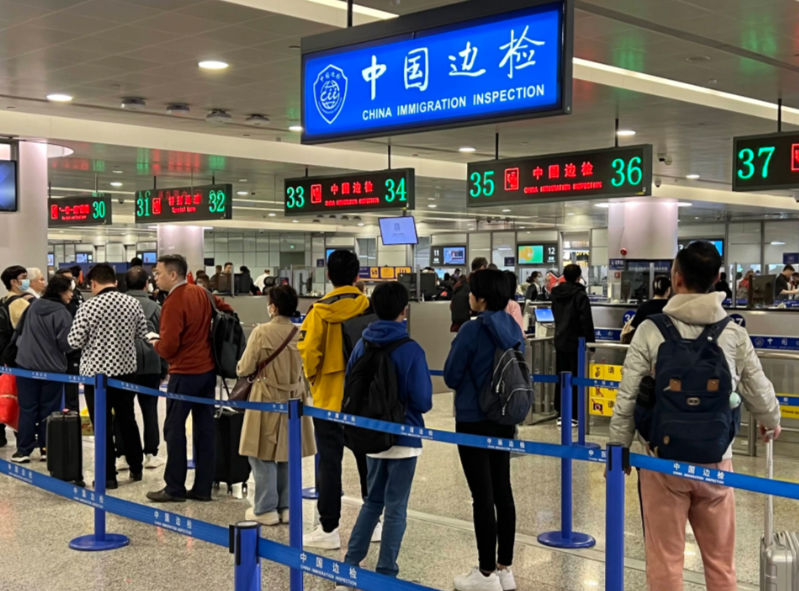
Chinese universities and research institutions cooperate more closely with the global academic community every year, attracting a large number of foreign scholars and researchers for academic conferences, lectures, scientific research cooperation, visiting exchanges and other activities. To help you fully grasp the entry policies for academic exchanges, this guide integrates the latest 2026 regulations and immigration administration convenience measures, focusing on four core areas: visa classification, application norms, stay requirements and extension processes, providing clear and practical guidance throughout your journey.
I. Academic Exchange-Specific Visa Types and Application Scenarios
When coming to China for academic exchanges, foreigners must choose the right visa based on the stay duration and activity nature, mainly divided into short-term and long-term categories to avoid travel delays due to incorrect visa type. For short-term academic exchanges (stay ≤ 180 days), prioritize applying for an F visa (Visitor Visa), which applies to non-profit activities such as academic conferences, short-term lectures, seminars, academic visits and scientific research cooperation negotiations. The stay duration can be flexibly set according to the exchange cycle, with a maximum of 180 days.
For long-term academic exchanges (stay > 180 days), confirm the visa type based on the activity nature: If engaging in work-related activities like long-term lectures or full-time scientific research, apply for a Z visa (Work Visa) and obtain a work-related residence permit after entry; If for long-term academic visits or cooperative research (non-full-time work), apply for an F visa first, then apply for a residence permit from the local public security entry-exit administration. It’s important to note that J visas are only for foreign journalists and not applicable for academic exchanges—do not apply for the wrong type.
Several convenience measures are available for academic exchange visas in 2026: Until December 31, 2026, F visa applicants with a stay of ≤ 180 days are exempt from fingerprint collection, as well as applicants under 14, over 70, and those who have provided fingerprints within the past five years. The online visa application system is fully operational—you can fill out forms and upload materials via the official website of China Visa Application Service Centers. After online approval, submit physical documents only if required, greatly simplifying the application process.
II. Core Visa Application Materials and Norms
Visa application materials for academic exchanges must highlight academic attributes and be true and complete, mainly including two categories: basic documents and academic-related certificates. Basic documents: A passport with a validity of more than 6 months and a copy (reserve at least 4 blank visa pages), a printed online visa application form, and a recent bare-headed photo. If applying outside your home country, provide additional proof of legal stay.
Academic-related documents: An official invitation letter issued by a Chinese academic institution (university, research institute, etc.), stating the exchange theme, duration, specific activity arrangements, funding source and stay duration. The letter must be stamped with the inviting unit’s official seal, along with the unit’s academic qualification certificate (e.g., school-running license, research institution registration certificate). For short-term exchanges, supplement with academic background proof (e.g., resume, research achievement introduction) and exchange agenda. For long-term exchanges applying for a Z visa, additional work permit, employment contract and project approval certificate are required.
Financial proof should cover your transportation, accommodation, living expenses in China: If costs are borne by the Chinese inviting unit, specify this in the invitation letter with an official seal; If personally borne, provide a bank deposit certificate or recent 3-month bank statement; If funded by a third party, provide the funder’s financial proof and guarantee letter. Accompanying family members need to submit a kinship certificate and a copy of the main applicant’s visa materials when applying for a visa.
III. Stay Regulations and Extension/Replacement Processes
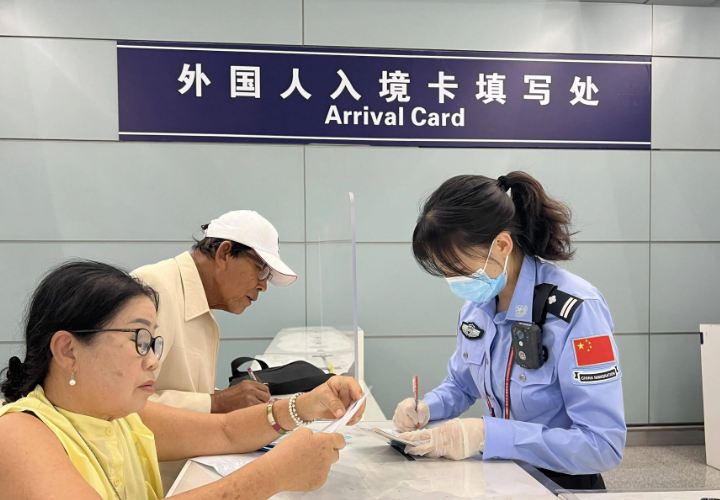
Comply with stay regulations after entry. The F visa stay duration is calculated from the day after entry, with a maximum of 180 days. During this period, do not engage in activities unrelated to academic exchanges, especially paid lectures, commercial cooperation and other profitable activities without approval. Complete temporary accommodation registration within 24 hours of entry—ask your hotel for assistance or register in person at the local public security organ with your passport, visa and entry stamp. Late registration may hinder your visa extension application later.
To extend your stay, apply to the local public security entry-exit administration 7 days before your visa expires—there’s no need to return to your home country. Application materials include: visa extension application form, valid passport and visa, extension explanation from the Chinese inviting unit (stating academic reasons for extension and follow-up plans), temporary accommodation registration certificate, and academic activity progress proof (e.g., conference extension notice, research interim report). Under 2026 convenience measures, you can apply for extension nearby, with a review cycle of no more than 7 working days. The total extended stay shall not exceed the original visa duration and is only valid for this entry.
If your visa is lost, damaged, or you need to change the stay purpose (e.g., short-term exchange to long-term residence), apply for replacement at the local entry-exit institution. To change the visa purpose, submit relevant supporting documents (e.g., work permit, residence permit approval document). To replace a lost or damaged visa, provide an explanation and related proof—you can stay legally in China with the acceptance receipt. If you need multiple entries/exits, apply for a multiple-entry visa with the Chinese invitation letter to meet the needs of frequent academic exchanges.
IV. Post-Entry Academic Exchange Norms and Exclusive Perks
During academic exchanges, abide by Chinese laws, regulations and academic norms: Do not engage in research in sensitive fields, and do not make public remarks or release research results related to the exchange without approval. Long-term academic exchange personnel must conduct annual inspections of their residence permits and shall not change the exchange unit, activity content or stay location without authorization. If you need to carry out cross-regional academic activities, report to the Chinese inviting unit and entry-exit institution in advance.
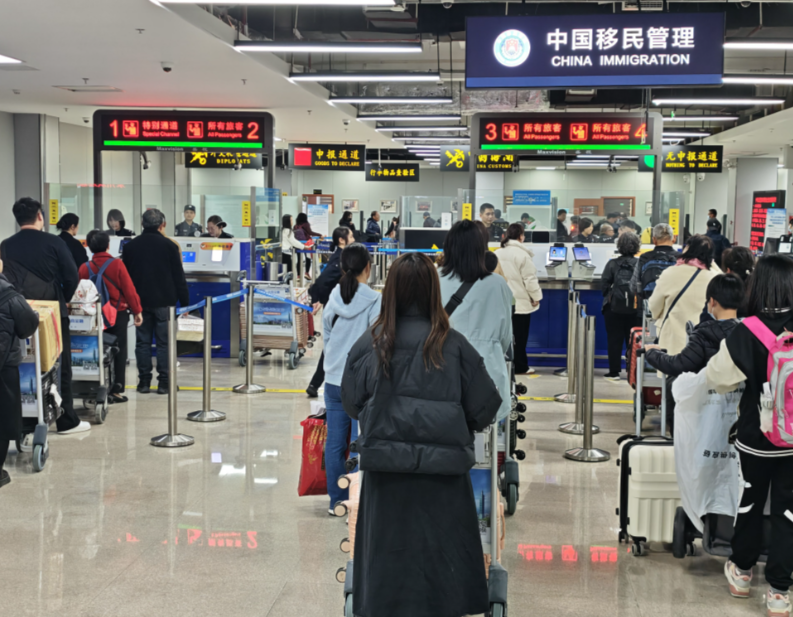
2026 exclusive convenience measures include: Simplified visa application materials—paper originals are not required for accommodation registration records and inviting unit qualification certificates that can be retrieved through information sharing. Hub airports in cities with intensive academic exchanges (Beijing, Shanghai, Guangzhou, etc.) offer 24-hour direct transit inspection exemption. Academic personnel with connecting flights to a third country can transit directly without going through border inspection procedures. In addition, most universities have established international academic exchange centers, providing one-stop services such as multilingual consultation, visa extension assistance and academic document translation.
Important Reminder: Forging invitation letters, falsely declaring academic purposes and other violations will not only result in visa rejection and post-entry penalties but also affect future applications to China. If you have policy questions, contact the Chinese inviting unit, China Visa Application Service Centers or local entry-exit administrations for professional answers and assistance.





暂无评论内容