




As a major global exhibition hub, China hosts numerous international events every year, including the China International Import Expo (CIIE), Canton Fair and China International Fair for Trade in Services (CIFTIS). These events attract a large number of foreign exhibitors, visitors and supporting staff. To help you fully grasp the exhibition entry policies, this guide integrates the latest 2026 regulations, focusing on four core areas: visa application, exhibition goods clearance, post-entry rules and convenience measures for major exhibitions, providing clear and practical guidance for foreign exhibitors.
I. Exhibition-Specific Visa Type and Application Norms
Foreigners traveling to China for exhibitions, visits or supporting exchange activities should prioritize applying for an F visa (Visitor Visa). This visa is designed for short-term entry to engage in non-profit activities such as exchanges, inspections and exhibitions, with a maximum stay of 180 days, flexibly determined based on the actual exhibition cycle. It is important to note that the M visa is mainly for commercial trade negotiations; the F visa is the preferred choice for exhibition participation to avoid entry delays due to incorrect visa type.
2026 brings two new perks for exhibition visa applications: First, until December 31, 2026, short-term visa applicants (stay ≤ 180 days) are exempt from fingerprint collection. They only need to submit documents online and complete identity verification. Second, the online visa application system is fully rolled out. Applicants can fill out forms and upload materials via the official website of China Visa Application Service Centers. After online approval, they submit physical documents only if required. Additionally, fingerprint exemption applies to applicants under 14, over 70, and those who have provided fingerprints within the past five years.
Prepare the following core application materials in advance: A passport with a validity of more than 6 months and a copy (at least 4 blank visa pages reserved), a printed online visa application form and a recent bare-headed photo; An invitation letter issued by the exhibition organizer or Chinese inviting unit, stating the exhibition name, date and venue, the applicant’s role in the exhibition, the cost-bearing party and stay duration. The letter must be stamped with the inviting unit’s official seal, along with the exhibition filing certificate and the unit’s business license; Exhibition credentials (e.g., booth confirmation letter, exhibition contract, list of exhibitors). Visitors need to provide exhibition tickets or visitor invitation letters.
II. Exhibition Goods Clearance Policies and Convenience Measures
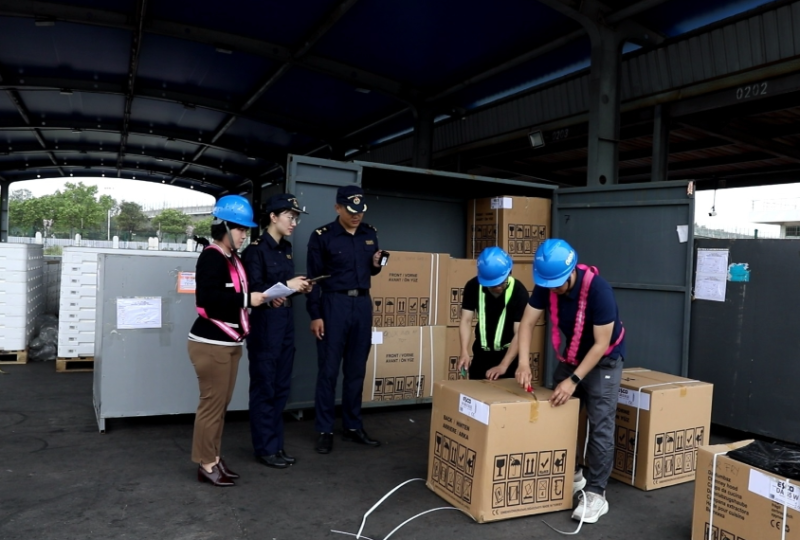
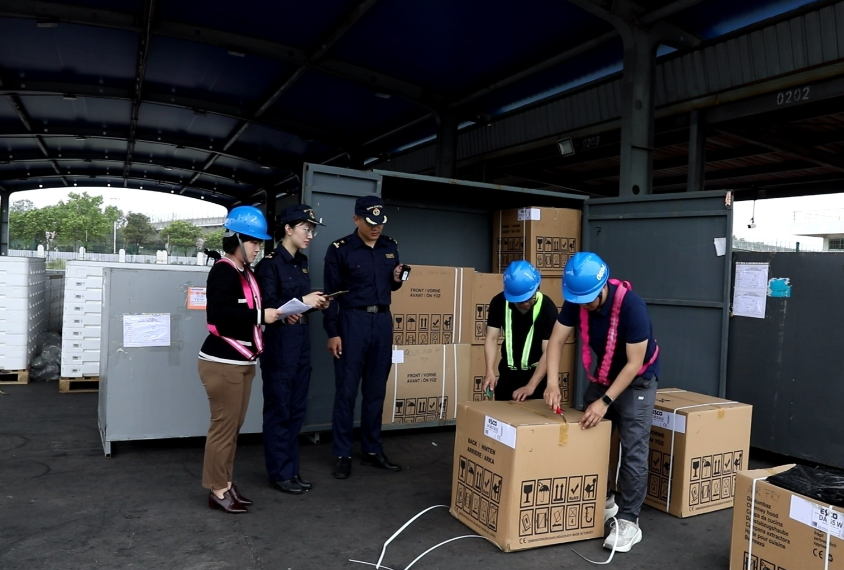
Exhibition goods entry follows the principle of “temporary entry and declaration as needed”. Chinese Customs has launched a series of exclusive convenience measures for international exhibitions to significantly improve clearance efficiency. For major events like CIIE, the home transportation service provider offers a unified bank guarantee or customs duty guarantee insurance. Exhibitors can be exempted from submitting tax guarantees for each shipment by only presenting the exhibition material certification letter and goods list, effectively reducing capital occupation.
Prepare well for goods declaration: First, make a detailed list of exhibition goods, indicating name, quantity, specification, value, purpose and whether they need to be re-exported. Second, use an ATA Carnet (an internationally recognized document for exhibition goods clearance). The re-export deadline endorsed by Customs is consistent with the carnet’s validity period, no additional extension is required. Third, for special exhibits such as animal/plant products or food that have not obtained regular import inspection and quarantine access, they can enter China for exhibition after completing special approval through authorized institutions like Shanghai Customs, but the source and quarantine status of the goods must be reported in advance.
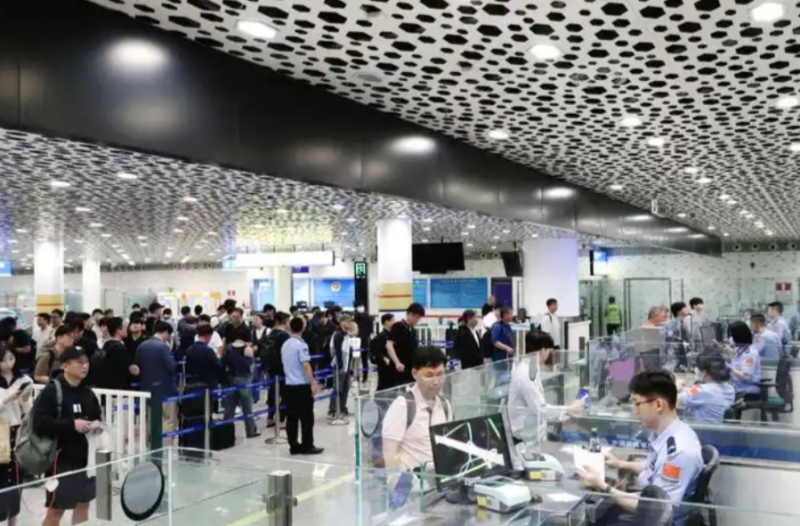
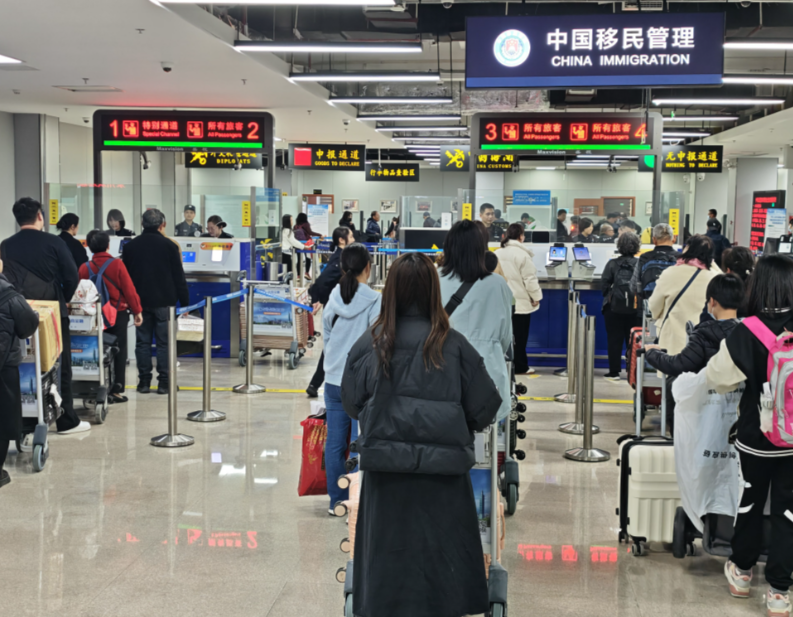
For clearance convenience, major ports have set up VIP channels for exhibitors, special windows for exhibition goods declaration and green inspection channels, implementing a “fast inspection and immediate release” service. In addition, enterprises in Customs-registered bonded supervision areas can transport bonded goods outside the areas for display and sales after submitting guarantees, further expanding the circulation scope of exhibition goods. After the exhibition, goods must be re-exported, donated or go through formal import procedures in accordance with regulations. Unauthorized sales of unreported exhibits will incur penalties.
III. Post-Entry Exhibition Compliance and Stay Requirements
Complete temporary accommodation registration within 24 hours of entry. You can ask your hotel to assist with the registration, or do it yourself at the local public security organ. Required materials include your passport, visa and entry stamp. Failure to register on time may affect subsequent visa extension procedures. During your stay, you must only engage in activities consistent with the visa purpose. On-site sales, illegal promotion and other commercial activities beyond the exhibition scope are not allowed. Changing your stay location or extending your stay without approval is prohibited.
If you need to extend your stay due to exhibition delay, apply to the local public security entry-exit administration 7 days before your visa expires. Submit the exhibition extension certificate, explanation from the inviting unit, temporary accommodation registration certificate and valid passport/visa. The total extended stay shall not exceed the original visa duration and is only valid for this entry. If your visa is lost or damaged, promptly apply for a replacement at the local entry-exit institution with the application form, passport copy and loss/damage statement.
During the exhibition, properly keep exhibition-related materials, goods lists and customs declaration documents, and cooperate with inspections by the exhibition organizer and regulatory authorities. Prohibited items are not allowed for exhibition. Using the exhibition for illegal promotion, pyramid schemes or other violations is forbidden to ensure full compliance during participation.
IV. Exclusive Services and Guidance for Major Exhibition Cities
Shanghai, the host city of CIIE, has established an exclusive exhibition service center, offering one-stop services such as multilingual consultation, exhibition goods transportation coordination and customs procedure agency. Home transportation service providers can assist with goods storage, loading/unloading and re-export. For large exhibitions like CIFTIS, Beijing has opened a green channel for visa processing to shorten the review cycle, and some venues provide free temporary storage for exhibits. (Note: The Canton Fair is held in Guangzhou, not Beijing, which is corrected here.)
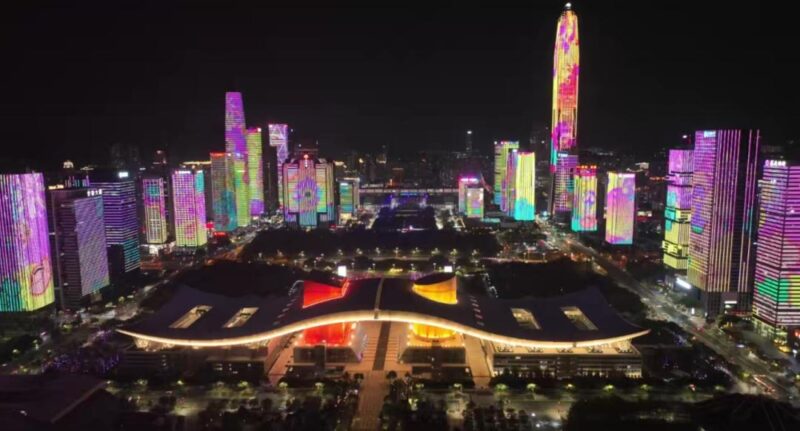
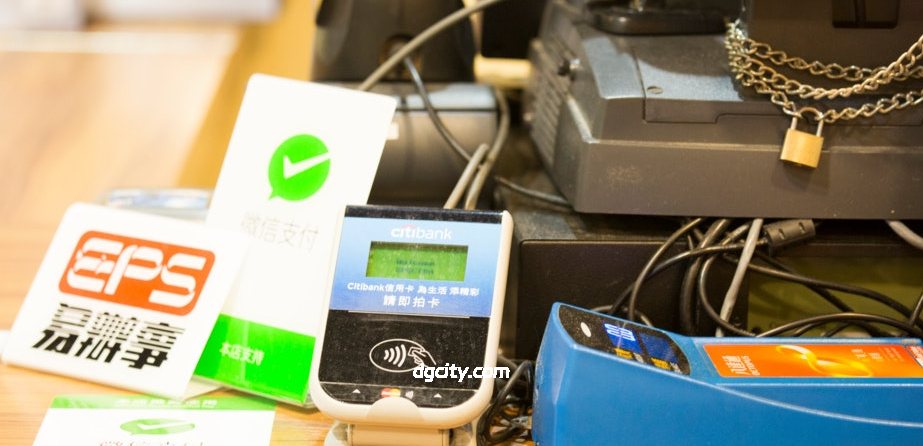
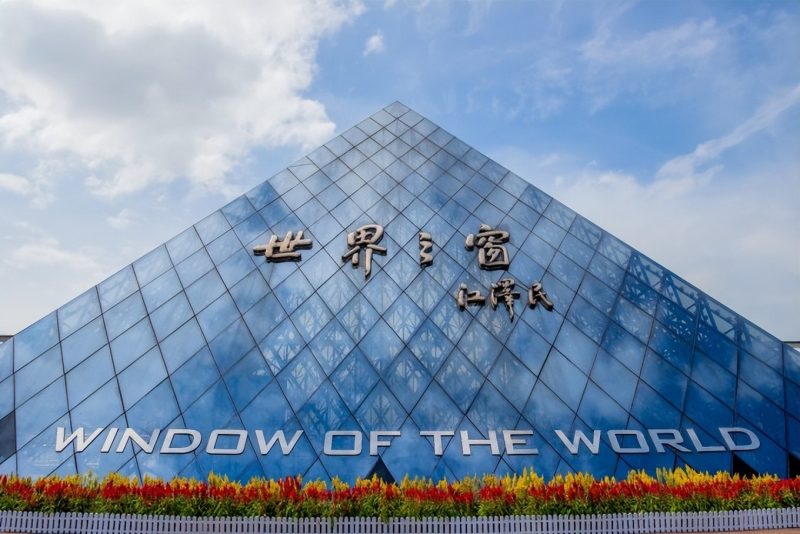
Cities with frequent exhibitions, such as Guangzhou and Shenzhen, have optimized inter-departmental collaborative services. Exhibitors can query exhibition goods clearance progress, accommodation registration status and other information online through local government service platforms. Most large exhibition venues are equipped with multilingual guides, foreign currency exchange points and international payment terminals to meet the daily needs of foreign exhibitors. It is recommended to contact the exhibition organizer in advance for exclusive guidance and keep contact information for transportation, accommodation and emergency services around the venue.
Important Reminder: Ensure all application materials are true and valid. Forging invitation letters, false declaration of exhibition goods or other violations will not only result in visa rejection or post-entry penalties but also affect future China entry applications. For policy questions, contact China Visa Application Service Centers, exhibition organizers or local entry-exit administrations for professional answers and assistance.



暂无评论内容