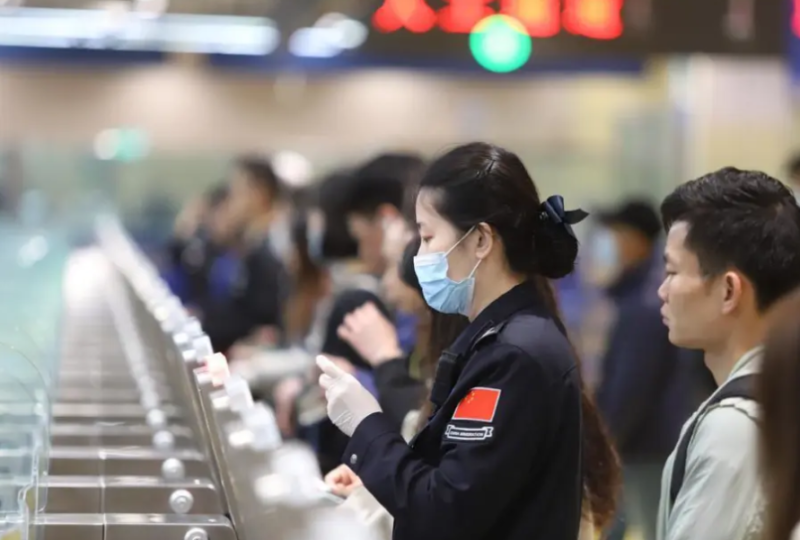





With the continuous improvement of China’s Medical service level, an increasing number of foreign patients choose to come to China for medical treatment. To help foreign visitors navigate the entry process smoothly, this guide integrates the latest 2026 regulations, covering visa application, document preparation, post-entry norms, visa extension and foreign-friendly medical services, providing a comprehensive and practical operation manual for foreign patients and their accompanying caregivers.
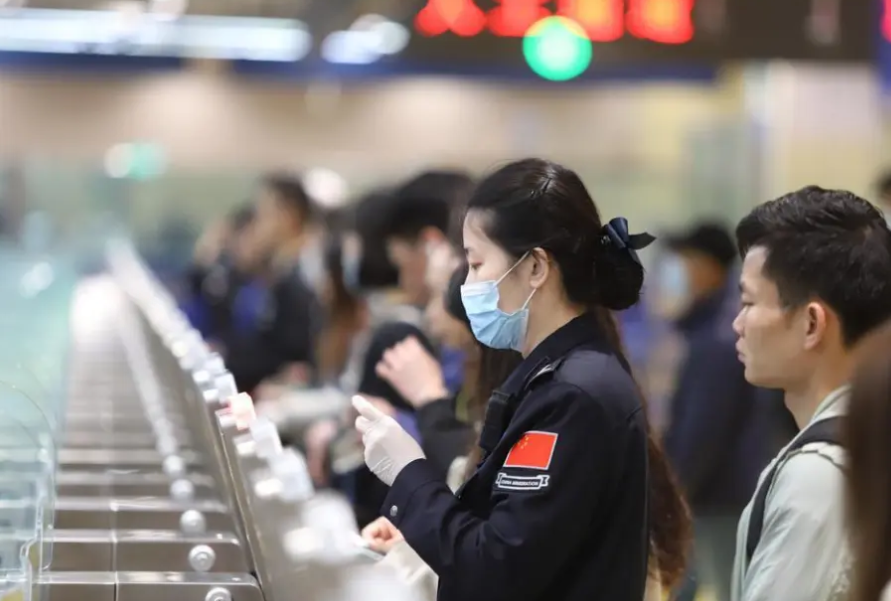
I. Visa Type for Medical Treatment and Application Eligibility
Foreigners coming to China for Medical treatment, rehabilitation or recuperation shall apply for an appropriate visa based on their stay duration and purpose. For short-term medical treatment (stay within 180 days), the F visa (Visitor Visa) is applicable; for long-term treatment that requires an extended stay, applicants may first apply for an F visa and then go through visa extension procedures after entry. It should be noted that the M visa is mainly for commercial and trade activities, not for medical purposes, so avoid applying for the wrong visa type to prevent entry delays.
Accompanying caregivers (such as family members or nurses) can apply for the same type of visa as the patient. The number of caregivers is generally limited to 1-2 people, depending on the patient’s condition and the hospital’s recommendation. Both patients and caregivers must ensure that their entry purpose is consistent with their actual itinerary, and provide true and valid supporting materials.
II. Core Application Documents for Medical Visas
To ensure the visa application is approved smoothly, applicants need to prepare complete and standardized documents. The core materials include the following:
First, basic documents: a valid passport with a remaining validity of more than 6 months and at least 4 blank visa pages, a fully completed foreigner visa application form, and one recent bare-headed photo (conforming to the size requirements of Chinese visa photos). If applying outside the country of nationality, additional proof of legal stay in the application country is required.
Second, medical-related documents: an official invitation letter issued by a legally registered foreign-friendly hospital in China, clearly stating the patient’s diagnosis result, treatment plan, expected treatment cycle, stay duration and the party responsible for medical expenses. The invitation letter must be stamped with the hospital’s official seal and attached with the hospital’s qualification certificate (such as the Medical Institution Practice License). In addition, applicants need to provide medical records issued by local hospitals, including diagnosis reports, inspection results and previous treatment records, to help Chinese hospitals formulate treatment plans and verify the necessity of medical treatment.
Third, financial proof documents: materials to prove the ability to bear all expenses during the stay in China, including medical treatment, accommodation, transportation and living expenses. Common proof materials include bank deposit certificates, bank statements (issued within 3 months) or a letter of guarantee from a third-party payer. If the expenses are borne by a third party, the payer’s financial proof and a formal guarantee letter (stating the willingness to bear all related expenses) must be provided.
III. Post-Entry Procedures and Medical Norms
After entering China, foreign patients and their caregivers need to complete relevant procedures in a timely manner and abide by Chinese laws and medical norms to ensure the smooth progress of treatment.
Accommodation registration is a mandatory procedure. Within 24 hours of entry, applicants must complete temporary accommodation registration at the local public security organ or through the hotel where they stay. The registration materials include passports, visas and entry stamps. Failure to complete registration on time may affect subsequent visa extension and other procedures.
During treatment, patients must follow the diagnosis and treatment arrangements of Chinese hospitals and shall not arbitrarily change treatment plans or transfer to other hospitals without authorization. If a transfer is necessary due to changes in the condition, the original hospital shall issue a transfer recommendation letter, and the patient shall report to the local public security entry-exit administration to record the itinerary change. Caregivers are only allowed to provide care services for patients and shall not engage in work, business or other activities unrelated to medical care.
IV. Medical Visa Extension Process
If the patient’s treatment cycle exceeds the visa stay duration, a visa extension must be applied for before the visa expires. According to 2026 regulations, applicants shall submit the extension application to the local public security entry-exit administration 7 days before the visa expires. The application can be processed online, at the window or by express mail, with a promised processing time of 1 working day in most regions (the legal maximum processing time is 7 working days).
Extension materials include: completed Foreigner Visa Document Application Form, valid passport and visa, temporary accommodation registration form, a medical progress certificate issued by the treating hospital (stating the need for continued treatment), and a recommendation letter for extension. After reviewing and verifying the materials, the public security organ will decide whether to approve the extension based on the patient’s actual condition. The extended stay duration is usually consistent with the remaining treatment cycle, and multiple extensions can be applied for if necessary.
V. Foreign-Friendly Medical Services and Practical Tips
Many large hospitals in China have set up special foreign medical service centers to provide personalized services for foreign patients, including multilingual consultation (English, Japanese, Korean, etc.), international insurance settlement, medical record translation and appointment registration assistance. Representative hospitals include Peking Union Medical College Hospital, Shanghai Huashan Hospital and Guangzhou First People’s Hospital, which have rich experience in receiving foreign patients.
For payment matters, most foreign-friendly hospitals accept international credit cards and international medical insurance settlement. It is recommended that patients confirm the insurance settlement scope with the hospital in advance and keep all medical expense invoices for subsequent insurance claims. In addition, patients carrying special medicines for personal use must declare them to Chinese customs upon entry and provide a doctor’s prescription to prove the medical necessity of the medicines.
Finally, it is reminded that all application materials must be true and valid. Forging medical records, invitation letters or other documents will result in visa rejection and affect future entry applications to China. If you have questions about visa policies or medical procedures during the preparation process, you can contact the foreign medical service center of the treating hospital or the local public security entry-exit administration for professional guidance.





暂无评论内容