




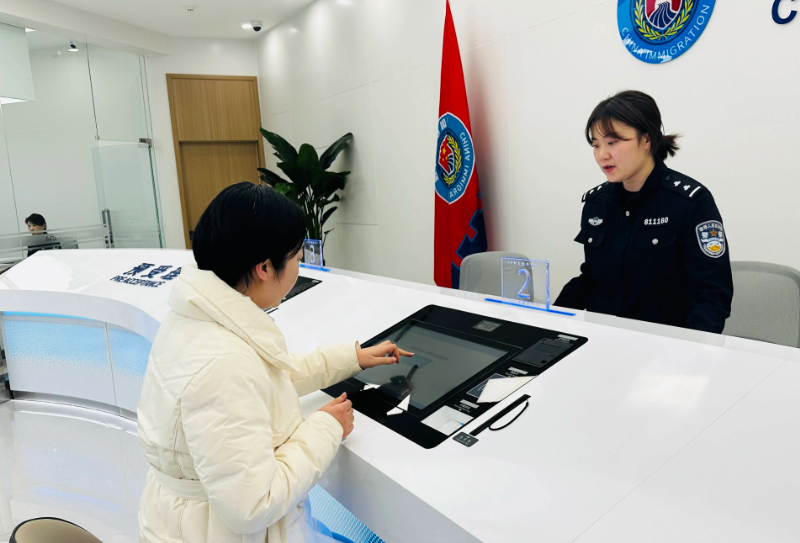
For foreigners coming to China for special purposes such as Medical treatment, exhibitions, academic exchanges and public welfare activities, China has developed a comprehensive entry policy framework, covering exclusive visa types, application materials, stay duration and supporting convenient measures. This guide integrates the latest 2026 regulations, breaks down entry key points for four core scenarios, clarifies policy differences and practical requirements for different purposes, and provides clear guidance for foreign travelers to ensure a smooth trip.
I. Entry Policy and Practical Norms for Medical Treatment Purposes
Foreigners coming to China for Medical treatment can apply for an M visa (Medical Service Visa), which is suitable for those who need to receive treatment, rehabilitation, recuperation and other medical services in China. Accompanying caregivers can apply for the same type of visa simultaneously. The entire trip must be centered around the treatment arrangements of formal medical institutions to ensure the entry purpose is fully consistent with the actual itinerary.
Core application materials include: a passport with a validity period of more than 6 months and a copy, a fully completed visa application form and a recent bare-headed photo; an official invitation letter issued by a formal medical institution in China, stating the applicant’s condition, treatment plan, stay duration and the party responsible for expenses. The invitation letter must be stamped with the hospital’s official seal and attached with the medical institution’s qualification certificate; docking documents between the applicant and the inviting hospital (such as appointment confirmation, treatment plan letter); financial proof materials to cover all expenses including medical treatment, accommodation and transportation; if expenses are borne by a third party, additional financial proof and a formal guarantee letter from the bearer are required.
After entry, the following regulations must be followed: The stay duration is determined based on the treatment cycle and can be extended. You need to submit medical progress certificates, hospital follow-up treatment suggestions and other materials to the local public security entry-exit administration before the stay period expires; no activities unrelated to medical treatment are allowed. Accompanying personnel are only permitted to provide care services and are prohibited from engaging in work, business or other irregular activities; if you need to change the treatment plan or transfer to another hospital, you must report to the entry-exit institution in a timely manner to ensure compliant itinerary changes. In addition, some large foreign-related hospitals can assist with entry procedures—we recommend contacting the hospital in advance for exclusive support.
II. Entry Policy for Exhibition Purposes and Exhibition-Specific Requirements
To participate in exhibitions, expositions, trade fairs and other events in China, you can apply for an F visa (Visitor Visa), which is applicable to exhibitors, visitors and exhibition supporting service personnel. If exhibition materials need to enter China, you must handle customs clearance procedures simultaneously to ensure your itinerary aligns perfectly with the exhibition schedule.
Key application materials include: basic documents such as passport and visa application form; an invitation letter issued by the exhibition organizer or inviting unit, stating the exhibition name, holding time, venue and the applicant’s exhibition identity. The inviting unit must also provide exhibition filing certificate, business license and exhibition approval document; exhibition credentials (such as booth confirmation letter, exhibition contract, list of exhibition personnel); if carrying exhibition samples, promotional materials and other items, prepare a list in advance with names, quantities, purposes and values to facilitate customs declaration upon entry. Exhibits exceeding a reasonable quantity require additional material guarantee documents.
After entry, please note: The stay duration is consistent with the exhibition cycle, with a maximum of 6 months. To extend your stay, provide the exhibition extension certificate and subsequent itinerary arrangements to apply at the local entry-exit institution; exhibits are only for exhibition display and negotiations—selling, transferring or giving them away without authorization is strictly prohibited. After the exhibition, handle exhibits in accordance with regulations; if taking them out of China, complete re-export procedures. During the exhibition, do not engage in commercial activities unrelated to the event. On-site sales, illegal promotion and other behaviors beyond the exhibition scope are not allowed without approval to avoid disrupting your trip.
III. Entry Policy for Academic Exchange Purposes and Stay Regulations
Academic exchange entry is divided into short-term and long-term scenarios: Short-term exchanges (stay no more than 180 days) can apply for an F visa, suitable for participating in academic conferences, short-term lectures, scientific research cooperation, academic visits and other activities. Long-term residence (more than 180 days) requires applying for the corresponding visa or work permit, which can be confirmed with the assistance of the Chinese receiving unit. The core principle is that the entry identity matches the exchange purpose.
Prepare application materials targeted: For short-term exchanges, provide an invitation letter issued by a Chinese academic institution, stating the exchange theme, duration, activity arrangements and funding source. The inviting unit must also provide academic qualification certificate and exchange activity approval document. For long-term residence, additionally submit the exchange project agreement and guarantee letter from the Chinese receiving unit; for lectures or scientific research, supplement academic background certificate and project approval document. Accompanying family members can apply for the corresponding visa with kinship certificate and family itinerary explanation.
After entry, comply with the following requirements: Short-term exchange personnel are not allowed to engage in paid activities such as long-term lectures and teaching. Complete the exchange and leave the country on time before the stay period expires; provide exchange progress certificate and subsequent arrangements for extension. Long-term residence personnel must apply for a residence permit in accordance with regulations and shall not change the exchange unit or activity content without authorization. Academic exchange results must comply with Chinese laws and regulations, and shall not involve sensitive field research. Public remarks related to the exchange content are not allowed without approval to ensure full compliance.
IV. Entry Policy for Public Welfare Activities and Activity Restrictions
To participate in public welfare donations, volunteer services, public welfare publicity and other activities in China, apply for an F visa (short-term) or residence permit (long-term) based on the stay duration. Activities must be carried out through legally registered Chinese public welfare organizations. It is strictly prohibited to conduct profit-making activities, religious proselytization, illegal publicity or other irregular behaviors in the name of public welfare to ensure the activity nature complies with Chinese laws and public order and good customs.
Application materials include: basic visa documents; an invitation letter issued by a Chinese public welfare organization, stating the public welfare activity theme, time, venue and specific arrangements. The inviting unit must provide public welfare organization registration certificate and activity approval document; a public welfare activity plan specifying content, participants, funding source and expected results. For cross-regional activities, provide a complete itinerary and docking unit certificates for each link; financial proof materials (proving legal funding sources). For material donations, provide a material list and donation agreement clarifying usage and distribution plans.
After entry, strictly abide by the following restrictions: Conduct public welfare activities only within the scope stated in the invitation letter—no unauthorized changes to content or expansion of scope. Do not collect fees from the public or carry out fundraising activities; report activity results to the inviting unit and local relevant departments. The stay duration is consistent with the activity cycle; provide activity progress certificate and subsequent arrangements for extension. Long-term participants must apply for a residence permit and are prohibited from overstaying. Unauthorized public welfare cooperation is forbidden, and docking with illegal public welfare organizations is not allowed. If irregular risks are found, terminate the itinerary immediately and report to the entry-exit institution.
Important Reminder: Ensure all application materials are true and valid for the four scenarios above. Forging invitation letters, false itinerary certificates or other behaviors will directly result in visa rejection and affect future China entry applications. Keep your passport, visa and other documents safe after entry, and report itinerary changes as required. For policy questions, contact the Chinese inviting unit or local public security entry-exit administration for assistance to ensure the entire process is compliant and orderly.




暂无评论内容