




Due to different functional orientations, Beijing’s 16 districts have formed differentiated livable characteristics — from the dense cultural atmosphere of the core districts, the dynamic convenience of the expansion districts, to the quiet comfort of the ecological districts. Each area can meet the different travel needs of foreign tourists. Whether it is a short business trip, a family tour with kids, or a slow senior travel, choosing the right district can not only improve the accommodation experience, but also shorten the commuting time to scenic spots and business districts, making the trip more efficient and pleasant. This guide focuses on four core dimensions: education, Medical care, commuting and housing prices, analyzes the advantages of each district, and provides precise travel suggestions for tourists with different needs.
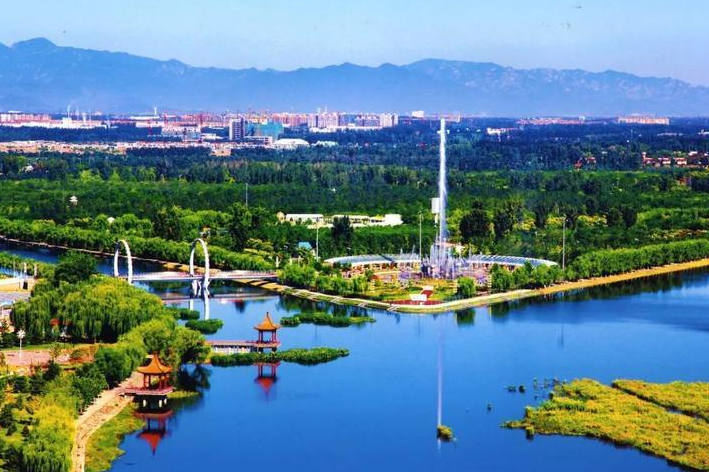
A precise understanding of core livable dimensions is the key to choosing the right travel district. In terms of educational resources, Beijing’s top universities and high-quality primary and secondary schools are mainly concentrated in Haidian District, Dongcheng District and Xicheng District. Haidian District is home to world-class universities such as Tsinghua University and Peking University, with a strong cultural atmosphere around the campuses, full of bookstores and cultural and creative blocks. It is suitable for tourists interested in academic Culture, who can wander around the campuses in their spare time to feel the humanistic charm. The areas around key primary and secondary schools in Dongcheng District and Xicheng District are full of old Beijing’s daily warmth, where hutongs are intertwined with modern supporting facilities, allowing in-depth experience of ancient capital life. In terms of Medical facilities, most of Beijing’s Grade A tertiary hospitals are located in core districts and suburban districts. Peking Union Medical College Hospital in Dongcheng District and Peking University People’s Hospital in Xicheng District not only have top medical standards, but some also provide exclusive medical services for foreigners with bilingual guides to protect tourists’ health.
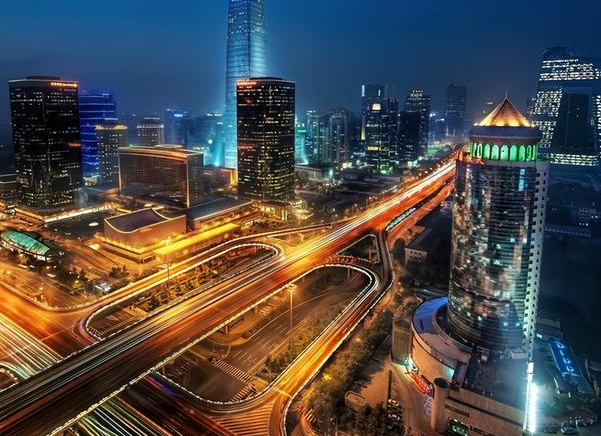
Commuting convenience directly affects the travel experience. The transportation network in core districts and urban functional expansion districts is the most complete. As the core functional districts of the capital, Dongcheng District and Xicheng District are traversed by Metro Lines 1, 2 and 4, and it only takes 10-20 minutes to reach core scenic spots such as the Forbidden City, Tiananmen Square and Wangfujing. Chaoyang District and Haidian District have dense Subway and bus lines, connecting Daxing International Airport, Capital International Airport and major railway stations, suitable for business tourists who travel frequently. Housing prices and accommodation costs show a trend of “high in core areas and low in peripheral areas”. High-end hotels and characteristic homestays in Dongcheng District and Xicheng District are relatively expensive, with an average price of over 1,500 yuan per night; accommodation in suburban districts such as Tongzhou District and Shunyi District is more cost-effective, with an average price of 500-1,000 yuan per night, and the environment is quiet, suitable for long-term travel.
Personalized recommendations for different groups can make travel more suitable for needs. For office workers on short business trips, Chaoyang District and Haidian District are preferred. The CBD and Wangjing business districts in Chaoyang District gather a large number of multinational enterprises and commercial buildings, surrounded by high-end hotels and serviced apartments, directly accessible by Metro Lines 10 and 14, ensuring efficient commuting; at the same time, it is adjacent to trendy business districts such as Sanlitun and Guomao, allowing easy experience of Beijing’s nightlife after work. The Zhongguancun and Wudaokou areas in Haidian District are dense with sci-tech innovation enterprises, surrounded by universities, with both academic and business atmospheres. Accommodation is mainly boutique hotels and serviced apartments, suitable for tourists engaged in sci-tech innovation business.
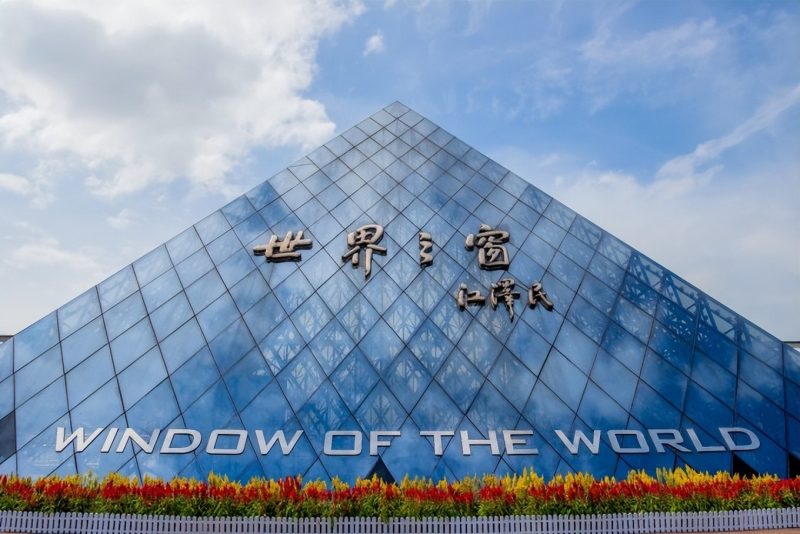
For family tourists with kids, Dongcheng District, Xicheng District or Fengtai District are recommended. Dongcheng District and Xicheng District have kid-friendly scenic spots such as the Forbidden City, Temple of Heaven and Beihai Park, with rich educational resources around. You can take your children to visit university campuses and Museums, combining travel with cultural enlightenment; some homestays provide family suites and children’s facilities, offering a more warm living experience. Fengtai District’s Garden Expo Park and Beijing World Park are suitable for parent-child interaction. The accommodation price is lower than that in core districts, and it is close to Beijing West Railway Station, with convenient transportation connections, suitable for family tourists with luggage.
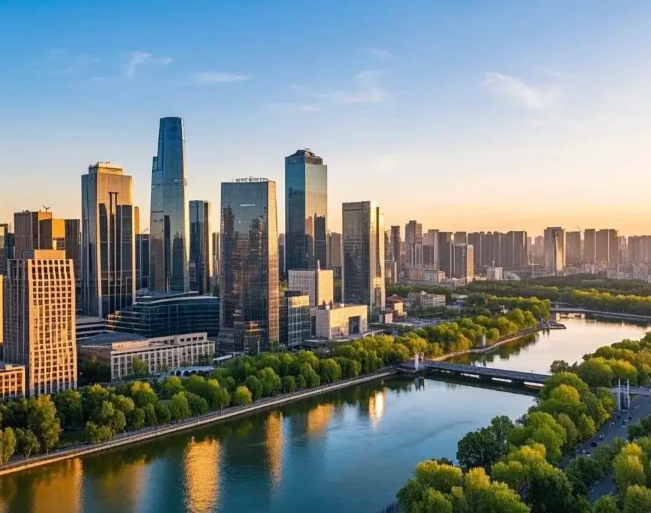
For tourists pursuing slow senior travel, Shunyi District, Changping District and Huairou District are recommended. These areas belong to ecological conservation and development districts, with excellent air quality and rich natural landscapes. Luoma Lake in Shunyi District, Ming Tombs Reservoir in Changping District and Yanqi Lake in Huairou District are all excellent places for leisure walks. Accommodation is mainly hot spring homestays and health resorts with complete supporting facilities, far away from urban noise, allowing you to enjoy a quiet travel time; at the same time, there are complete surrounding supermarkets, shopping malls and hospitals to meet daily needs. Some areas also have tourist special lines directly to core scenic spots, making travel convenient.
For practical tips, foreign tourists can book accommodation in advance through platforms such as Booking and Airbnb. It is recommended to book 7-10 days in advance for peak periods in core districts; when choosing accommodation, prioritize listings near Subway stations, and use the Chinese-English “Beijing Subway” APP to query commuting routes; for Medical treatment, you can book foreigner diagnosis and treatment services in advance through the hospital’s official website or phone, and carry passports and other documents; the price level varies greatly in different districts, and you can choose flexibly according to your budget. Accommodation in the suburbs can be combined with online car-hailing or tourist special lines, balancing cost-effectiveness and convenience.


暂无评论内容