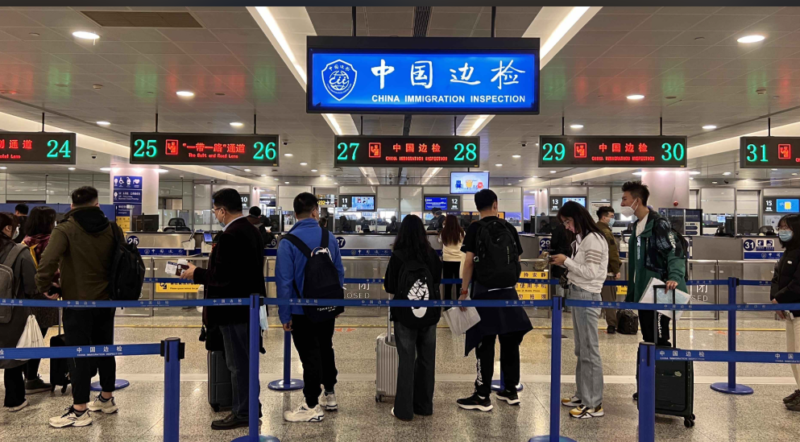





To safeguard national security, public health security and social order, China has established clear prohibitions and restrictions on entry personnel, items and behaviors. Foreign travelers must master relevant requirements in advance to avoid entry obstruction or penalties. Based on the latest 2026 policies, this guide systematically sorts out controlled personnel categories, prohibited items/behaviors and exceptions to provide guidance for smooth entry.
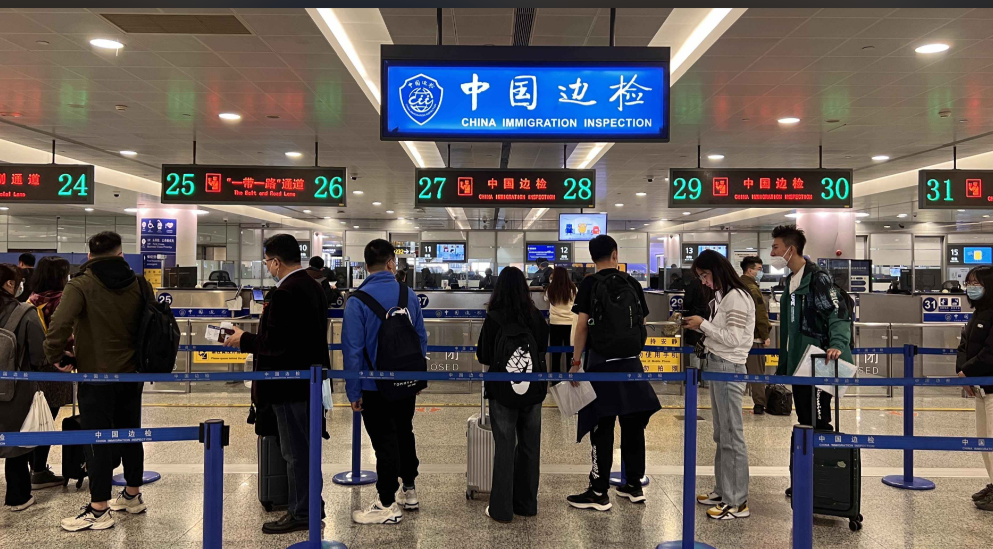
Categories of controlled entry personnel mainly include groups explicitly prohibited from entry, restricted from entry, and subject to strict review. In accordance with the Exit-Entry Administration Law of the People’s Republic of China, foreigners expelled from China are not allowed to enter within ten years from the date of expulsion, and can only apply for entry after strict review upon expiration. Persons who have been sentenced to criminal punishment for illegal acts in China, or penalized for illegal residence or employment, will be subject to key review for entry applications, and those with serious circumstances may be refused entry. Persons suffering from international quarantinable diseases such as plague, cholera and yellow fever, or diseases that may endanger public health security such as severe mental disorders and infectious pulmonary tuberculosis are prohibited from entry, and customs will implement control based on health declarations and quarantine results.
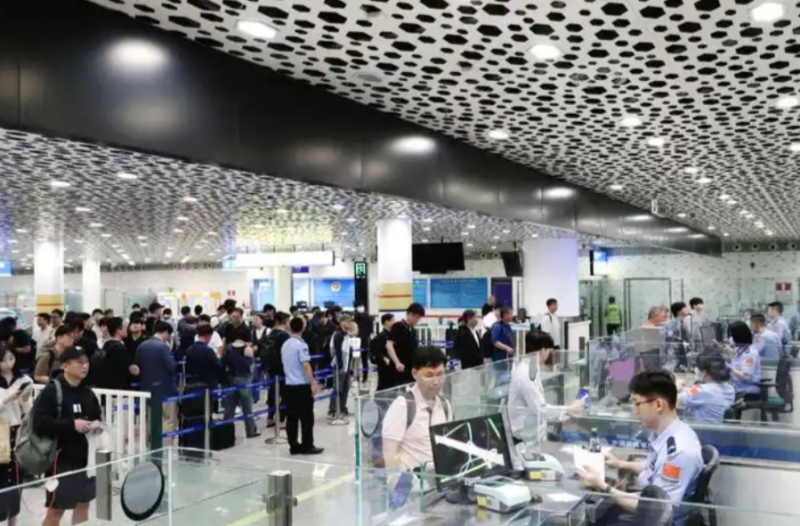
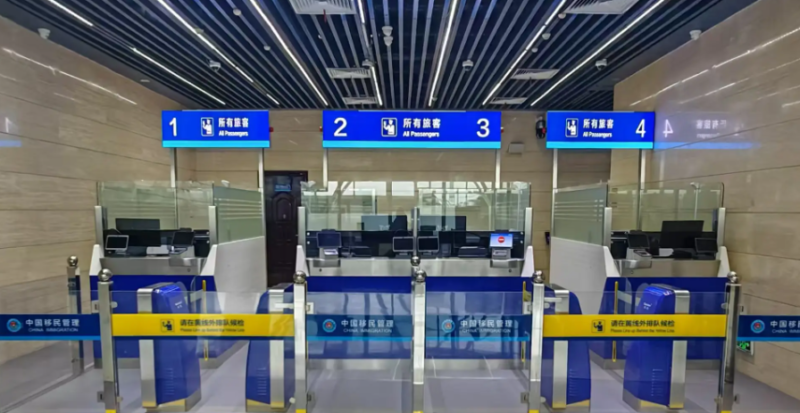
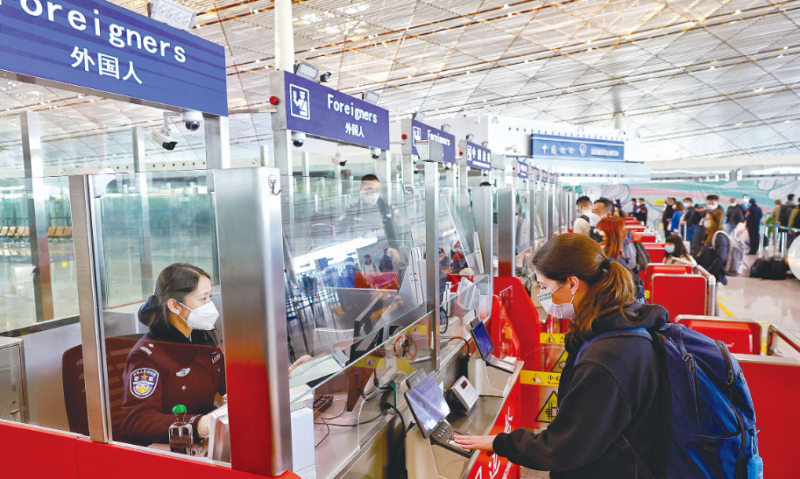
In addition, persons included in the national security blacklist, suspected of terrorist activities, or endangering national security and interests—including those involved in separatist and extremist activities, as well as those who fund or assist terrorist organizations—will be prohibited from entry permanently or for a long time. Personnel from war-torn areas or countries with potential security risks will undergo strict background checks upon entry, and may be required to provide additional materials such as no-criminal-record certificates and itinerary purpose explanations if necessary. Minors under 18 entering without a guardian must provide a parental power of attorney, proof of kinship, and information of the recipient in China. Entry is only allowed after border inspection approval; those without a recipient or incomplete materials may be refused entry.
Prohibited entry items and restricted behaviors cover two dimensions: item control and behavioral norms. Violations will result in item confiscation, fines, or even criminal liability. Prohibited items are divided into absolutely prohibited and restricted-carry categories. Absolutely prohibited items include: imitation weapons, controlled knives, flammable and explosive dangerous goods, highly toxic chemicals, radioactive materials and other items endangering public security; drugs such as opium and heroin, as well as drug-making raw materials and tools; books, audio-visual products and other materials involving obscenity, reactionary content or separatism.
Strict controls are imposed on animals, plants and their products. Fresh fruits, vegetables, raw meat, unquarantined animal furs, bird’s nest (except canned), animal-derived milk and dairy products are prohibited from entry. Each person is allowed to carry only one dog or cat, with an official quarantine certificate and vaccination certificate from the country of origin, and must declare to customs in advance. Restricted-carry items must meet quantity standards and be declared in accordance with regulations. For tobacco and alcohol, travelers from non-Hong Kong and Macao regions can carry 400 cigarettes, 100 cigars, or 500 grams of tobacco, and 2 bottles of alcohol (alcohol content ≥12°, total volume ≤1500ml) duty-free; excess quantities are subject to customs duties.
For currency, the limit for RMB cash is 20,000 yuan, and foreign cash exceeding the equivalent of 5,000 US dollars must be declared in writing. Unreported or falsely declared excess amounts will be confiscated. Medicines must be for personal and reasonable use, with prescription drugs generally not exceeding a 7-day supply. Narcotic drugs and psychotropic drugs require a doctor’s prescription and relevant certificates; quantities exceeding the limit must go through customs declaration through cargo channels. It is strictly prohibited to carry large quantities of medicines for resale profit.
Prohibited entry behaviors include: forging or altering passports, visas and other entry documents, or entering with others’ documents; engaging in activities inconsistent with the purpose of entry without approval, such as working with a tourist visa, staying long-term with a business visa, or conducting illegal interviews and reports; evading border and customs supervision after entry and carrying prohibited items privately; spreading prohibited information or engaging in illegal activities in China. Once discovered, such behaviors will result in cancellation of entry documents, ordered departure, criminal liability for serious cases, and inclusion in the entry blacklist to restrict future entry.
There are exceptions to entry restrictions, which must meet legal conditions and undergo strict review. Diplomatic personnel, consular officers and their accompanying family members can be exempted from some control requirements with diplomatic passports, consular passports and relevant certification documents—for example, necessary official items do not need to be declared in accordance with ordinary passenger standards, but it is prohibited to carry prohibited items for profit by taking advantage of exemptions.
Personnel entering for special reasons such as emergency Medical treatment, disaster relief, and official duties for major international conferences can apply for exemptions from some restrictions with certification documents issued by relevant institutions, such as simplifying the declaration process when entering with special medical equipment or rescue materials. In addition, foreign high-level talents and urgently needed professionals approved by Chinese government departments can enjoy preferential policies in entry control and item carrying, such as simplified background check procedures and customs duty reductions for carrying scientific research equipment.
Travelers with incomplete entry materials due to force majeure factors (such as flight delays, sudden illnesses) can explain the situation to border inspection authorities and apply for a temporary stay permit, then complete formal entry procedures after supplementing materials. All exceptions require advance notification or on-site provision of valid certificates; no one may arbitrarily break entry restrictions without reasonable grounds.
Finally, it is reminded that entry control policies are dynamically adjusted. Travelers should check the latest requirements on the official websites of China’s National Immigration Administration and General Administration of Customs before traveling, truthfully declare entry items and itinerary information, and strictly abide by relevant rules. If in doubt, consult Chinese embassies and consulates abroad or entry port service windows in advance to avoid entry obstruction due to unfamiliarity with the rules.



暂无评论内容