




On the north bank of the Changhe River in Haidian District, Beijing, stands a royal ancient temple with a history of more than 400 years——Wanshou Temple Beijing. Adjacent to Zizhuyuan Park in the east, Suzhou Street in the west, and leaning against the Changhe River in the south, it faces the Summer Palace across the river. It is not only an important cultural node of the Beijing section of the Grand Canal, but also an ancient architectural complex integrating temples, gardens and royal palaces, known as “the first temple on the Changhe River” and “the small Forbidden City in the west of Beijing”. Different from the grandeur of the Forbidden City and the solemnity of the Temple of Heaven, Wanshou Temple has become an excellent window for foreign travelers to understand Chinese Buddhist Culture, royal history and canal civilization with its quiet and peaceful Zen spirit, integrated Chinese and Western architecture, and rich and precious collections. Wandering here, with red walls and ancient temples, towering ancient trees, standing steles and curling Zen chants, you seem to travel through time and space, encounter the royal elegance and Zen warmth of the Ming and Qing dynasties, allowing every foreign traveler to feel the profound heritage and unique charm of Chinese traditional Culture among every brick, tile, grass and tree.
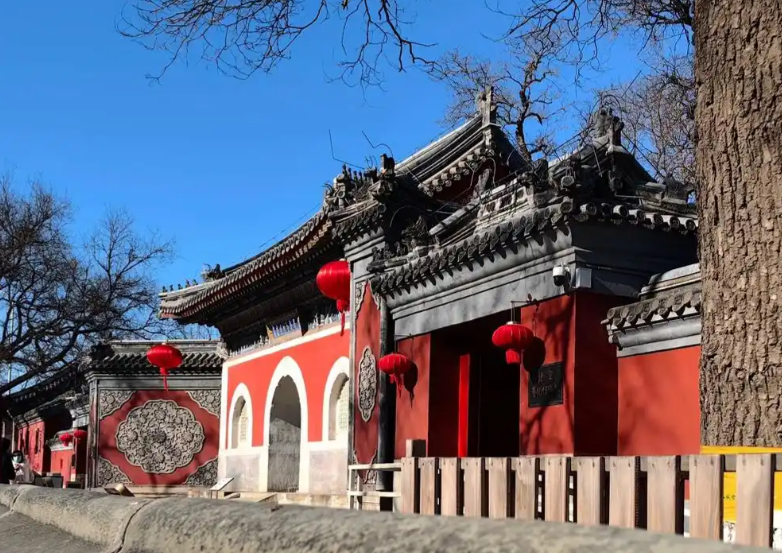
The birth of Wanshou Temple is closely related to the religious beliefs of the royal family in the Ming Dynasty. Funded by the Empress Dowager Cisheng, the mother of Emperor Wanli of the Ming Dynasty, it was first built in the fifth year of Wanli in the Ming Dynasty (1577 AD), with a history of 445 years to date. After being renovated and expanded in the Ming and Qing dynasties, it gradually formed the current scale and pattern. As a royal temple in the Ming and Qing dynasties, Wanshou Temple undertook important functions of royal prayer, Buddha worship and rest. Many emperors of the Qing Dynasty, such as Kangxi, Qianlong and Guangxu, once visited here, either to pray for blessings and birthdays, or to inspect the Changhe River. Emperor Qianlong even left 46 poems chanting Wanshou Temple, adding a strong royal atmosphere to this ancient temple. In 1987, the Beijing Art Museum was established here, making Wanshou Temple a comprehensive cultural venue integrating cultural relic protection, cultural display and religious activities; in 2018, Wanshou Temple launched the largest and longest renovation project since its construction, and reopened after 5 years of renovation, reproducing the elegance of the century-old royal ancient temple.
For foreign travelers, the core charm of Wanshou Temple lies first in its unique architectural aesthetics and layout characteristics. The entire temple faces south, with a three-road layout of middle, east and west. The middle road is the main Buddhist activity area, the east road is the abbot’s courtyard and palace area, and the west road is the meditation room and auxiliary facilities. The overall layout is rigorous and orderly, combining the solemnity of a Buddhist temple with the elegance of a royal garden. Stepping into the Mountain Gate Hall, the first thing you see is the plaque “Imperially Built Huguo Wanshou Temple” hanging above the hall door, which is the imperial calligraphy of Emperor Shunzhi, with vigorous and powerful fonts, showing the noble status of the royal temple. The roof of the Mountain Gate Hall is painted with nearly a hundred red bats of different shapes, flying among the blue sky and flowing clouds, implying “boundless blessings”, perfectly integrating Chinese traditional auspicious Culture with architectural art, allowing foreign travelers to intuitively feel the connotation of auspicious symbols in Chinese traditional culture.
The architecture of Wanshou Temple combines Eastern Zen spirit with Western style, which can be called a model of the integration of Chinese and Western cultures. The middle road architectural complex is Wutai Hall, Huiri Changhui Hall, Wanshou Pavilion, Great Meditation Hall, Wuliangshou Buddha Hall, etc. Each hall is magnificent, with carved beams and painted buildings, showing ingenuity in every detail. Among them, Wanshou Pavilion is the tallest building in Wanshou Temple. It hosts the “Ode to Auspicious Objects” special exhibition of auspicious and longevity cultural relics all year round, displaying various artifacts, costumes, calligraphy and paintings, and four treasures of the study. Each auspicious symbol not only conveys people’s expectation for health and longevity since ancient times, but also allows foreign travelers to get a glimpse of the aesthetic taste of the ancients. The “Western-style Gates” on both sides of the Wuliangshou Buddha Hall are particularly unique. Built in the Qianlong period, the carvings on the gates have both Western style and Eastern charm, which is a vivid witness to the cultural exchanges between China and the West in the Qing Dynasty, and has also become a popular spot for foreign travelers to take photos.
In addition to the main halls, the garden landscape and detailed design of Wanshou Temple are also very attractive. On the rockery in the temple stands the Sanshi Hall, connected by stone bridges between the three mountains, symbolizing the three famous Chinese Buddhist sacred places: Putuo, Wutai and Emei. There is a Ksitigarbha Palace in the cave under the mountain. Pines, cypresses and ginkgo trees are planted on the mountain and behind it, with different scenery in four seasons, showing the elegance of a fairyland on earth. During the renovation, the ancient trees in the courtyard were also protected as key points. At present, there are 47 listed first-class and second-class ancient trees in the Museum. The pagoda tree in front of the mountain gate is more than 400 years old, with luxuriant branches and leaves, witnessing the centuries-old vicissitudes of Wanshou Temple. Wandering on the paths of the temple, the blue brick road has been smoothed and warmed by the years, the red walls and gray tiles on both sides set off against the green plant vines, the sun shines through the gaps of the leaves to cast dappled light and shadow, and the Zen chants curl up, quiet and peaceful, as if people can forget the hustle and bustle of the world and immerse themselves in Zen and poetry.
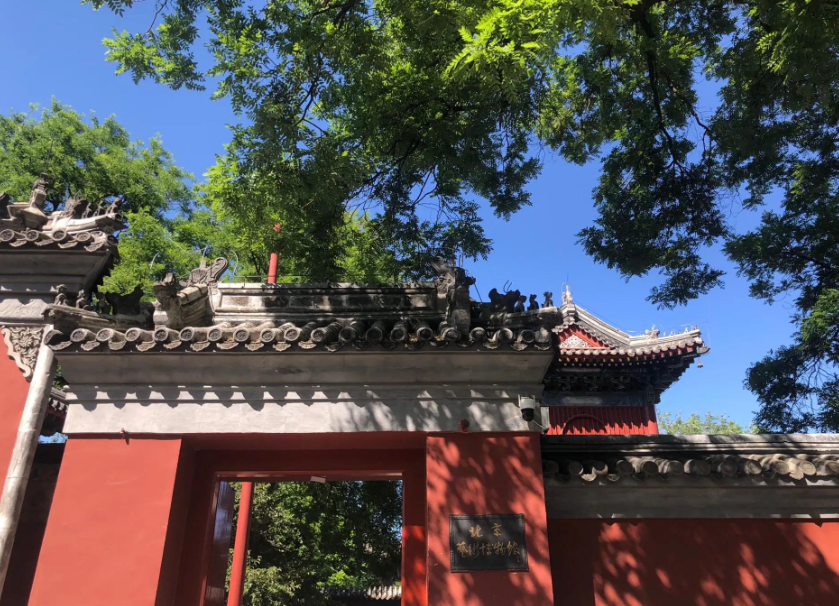
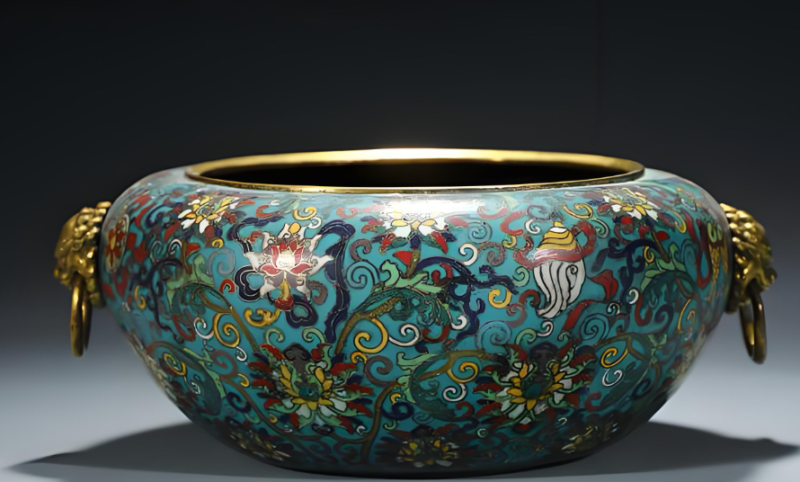
Wanshou Temple is not only a royal ancient temple, but also an art Museum with rich collections. The Beijing Art Museum has about 130,000 collections, with a very rich variety and quantity, covering calligraphy and painting, ceramics, jade, gold and silverware, four treasures of the study and other fields, including many rare treasures, allowing foreign travelers to deeply feel the charm of ancient Chinese art. The museum holds various special exhibitions all year round. In addition to the special exhibition of auspicious and longevity cultural relics in Wanshou Pavilion, the Great Meditation Hall also holds the “Wanji Yuxia” special exhibition of calligraphy and painting by the royal family of the Qing Dynasty and their descendants. Among them, Emperor Qianlong’s imperial calligraphy “New Year’s Day Picture” was publicly displayed for the first time. This work is a “New Year card” personally painted by Emperor Qianlong for his biological mother, Empress Dowager Chongqing. The picture depicts auspicious objects such as ruyi, plum blossoms and persimmons, embodying the hope for his mother’s longevity and health. It has exquisite brushwork and beautiful meaning, and is a fine work of ancient Chinese Calligraphy and painting art.
For foreign travelers who love culture and history, the cultural relic exhibitions and cultural experiences of Wanshou Temple are absolutely not to be missed. The museum has professional explanation services, and some areas support English explanations. Foreign travelers can also rent English audio guides to learn more about the historical stories and cultural connotations behind each exhibit and each hall. In addition, the temple regularly holds Buddhist cultural experience activities, such as copying scriptures, tasting tea and listening to Zen. Foreign travelers can participate in them personally, feel the Zen spirit and heritage of Chinese Buddhist culture, experience the elegant life of ancient Chinese literati, and leave a unique travel memory. The cultural and creative experience area also gathers many cultural and creative products inspired by Wanshou Temple culture, Buddhist elements and ancient art. From postcards and notebooks printed with temple architectural patterns to accessories and ornaments reprinting ancient cultural relic patterns, each product has both design sense and commemorative significance. It can be taken away as a travel souvenir or used as a carrier to understand Chinese traditional culture.
In addition to visiting, the supporting facilities around Wanshou Temple can also bring convenient and comfortable experiences to foreign travelers. The area around the venue gathers many restaurants and teahouses with distinctive Chinese characteristics, including restaurants focusing on traditional Beijing snacks and teahouses with both Zen and elegance. In traditional restaurants, foreign travelers can taste old Beijing characteristic snacks such as soybean milk, fried dough rings and aiwowo, feeling the market atmosphere of old Beijing; in Zen teahouses, they can not only taste authentic Chinese tea, but also enjoy the elegant scenery of the temple, and feel the charm of Chinese tea culture and the tranquility of Zen in a slow-paced time. In addition, there are many convenience stores and supermarkets around, which are convenient for foreign travelers to buy drinks, snacks and other items, providing convenience for travel.
For foreign travelers, it is very convenient to go to Wanshou Temple. Wanshou Temple is located at No. 11 Suzhou Street, Haidian District, in the core cultural area of western Beijing. The surrounding transportation network is improved, and it can be directly reached by public transport or self-driving. Foreign travelers can take Metro Line 10 to “Suzhou Street Station”, get off at Exit C1, and walk about 10 minutes to reach it; they can also take many bus lines such as No. 300, No. 323, No. 362, No. 425 to “Wanshou Temple Station”, and walk 2 minutes to arrive. For travelers driving by themselves, there are public Parking lots around the temple, with convenient parking. You can directly navigate to “Wanshou Temple Beijing” to arrive. It should be noted that there are many travelers going there on weekends and holidays. It is recommended to plan the travel time in advance to avoid the peak crowd and improve the travel experience.
Regarding opening hours and tickets, the opening hours of Wanshou Temple are 9:00-17:00 every day, closed every Monday (except for legal holidays). The opening hours may be adjusted on special holidays such as New Year’s Eve and the first day of the Lunar New Year. It is recommended that foreign travelers check the official information in advance to avoid delaying their itinerary. The ticket price is 20 RMB per person. Foreign travelers can buy tickets on site or book tickets in advance through the official applet. They need to show their passports and other valid documents when buying tickets. It should be noted that as a century-old historical building and cultural relic protection unit, some areas of Wanshou Temple are protected areas. Touching the building walls, doors, windows, cultural relic exhibits, etc. is prohibited, and taking photos with flash and tripods is prohibited to avoid damage to the buildings and cultural relics; in addition, loud noise, chasing and running are prohibited in the venue, and smoking is prohibited. It is recommended that foreign travelers keep quiet and jointly maintain a good visiting and Zen atmosphere.
When visiting Wanshou Temple, there are some practical tips for foreign travelers: first, it is recommended to wear comfortable shoes. The visiting area of Wanshou Temple is large, and there are many roads to walk. Comfortable shoes can make the visit more relaxed; second, it is recommended to wear simple and elegant clothes, which match the Zen atmosphere of the temple and the red walls and ancient temples, making photos more outstanding, and also showing respect for Buddhist culture; third, Beijing has distinct four seasons. Spring and autumn have comfortable weather and pleasant scenery, which are the best seasons to visit Wanshou Temple. You can enjoy the new buds of the ancient temple in spring and the golden ginkgoes in autumn. In summer, it is recommended to avoid the high temperature period at noon. In winter, you need to prepare warm clothes; fourth, there are many halls inside the temple, and taking photos is prohibited in some halls. It is recommended that foreign travelers abide by the venue regulations and respect the requirements of Buddhist culture and cultural relic protection; fifth, if you want to deeply understand the history, architecture and Buddhist culture of Wanshou Temple, you can check relevant information in advance, or consult the staff on site and rent an English audio guide.
There are many characteristic scenic spots and cultural venues around Wanshou Temple, which are very suitable for foreign travelers to visit in combination to create a fulfilling Chinese traditional cultural trip. About 10 minutes’ walk from Wanshou Temple is Zizhuyuan Park, which is characterized by bamboo. The park is shaded by green bamboos and has rippling lakes, with beautiful and quiet scenery, making it an excellent place for leisure walking and relaxing; about 15 minutes by taxi from Wanshou Temple, you can reach the Summer Palace, the pinnacle of Chinese classical gardens, integrating mountains and rivers, architecture and gardens. Foreign travelers can feel the elegance and grandeur of Chinese classical gardens here; one Subway stop from Wanshou Temple is Suzhou Street, an antique commercial street that reproduces the architectural style of the Jiangnan water town. It gathers characteristic shops, restaurants and cultural and creative stores. Foreign travelers can go shopping and taste delicious food here, feeling the charm of the Jiangnan water town and the commercial vitality of old Beijing.
In terms of food, the surrounding area of Wanshou Temple gathers various characteristic restaurants, meeting the taste needs of different foreign travelers. In addition to old Beijing characteristic snack bars, there are also many fusion restaurants and foreign restaurants around, including creative dishes combining old Beijing flavors with international tastes, as well as authentic Western food, Japanese food, Korean food, etc., meeting the hometown taste needs of foreign travelers. In addition, there are many characteristic teahouses and cafes around, where foreign travelers can taste Chinese tea, coffee and desserts, and enjoy a pleasant leisure time in the collision of Zen and modernity, feeling the diverse food culture of Beijing.
Wanshou Temple Beijing, a royal ancient temple hidden by the Changhe River, a humanistic space carrying more than 400 years of history, integrating Buddhist culture, royal culture and canal culture. It has no noisy crowds or commercial impetuosity, only the quiet and profound of the century-old ancient temple, the warm Zen spirit and the artistic charm. Here, foreign travelers can not only appreciate the integrated Chinese and Western architectural aesthetics, feel the ingenuity and wisdom of ancient Chinese architecture; but also understand the brilliance and glory of ancient Chinese art through rich cultural relic exhibitions; they can also experience the heritage of Chinese Buddhist culture and the elegant life of ancient Chinese literati in the Zen atmosphere. For foreign travelers who love history, like culture and are eager to deeply understand Chinese traditional culture, this place is not only a check-in spot, but also a cultural dialogue across time, an unforgettable Zen journey. Wandering here, every brick and tile tells a century-old story, every wisp of Zen chant conveys Eastern warmth, and every exhibit shows Chinese charm, allowing every foreign traveler to find their own cultural resonance here and leave an unforgettable Beijing travel memory full of Zen and fireworks.




暂无评论内容