




Along the Huangpu River, on a 1.5-kilometer-long waterfront, dozens of Western-style buildings of different styles stand in sequence, forming the core landscape of the Shanghai Bund, known as the “Gallery of International Architecture”. This is the urban cover of Shanghai, the epitome of the “Wall Street of the Far East” a hundred years ago, and the most intuitive embodiment of Haipai Culture’s “inclusiveness”. For foreign visitors, walking into the Bund’s International Architecture Collection is not only to appreciate a world-class architectural feast, but also to open a three-dimensional album of Shanghai’s modern history — each building has a legendary story, and each relief is engraved with the marks of the times. Wandering here, you can almost hear the echoes of a century of changes and understand the transformation of this city from a small fishing village to an international metropolis.
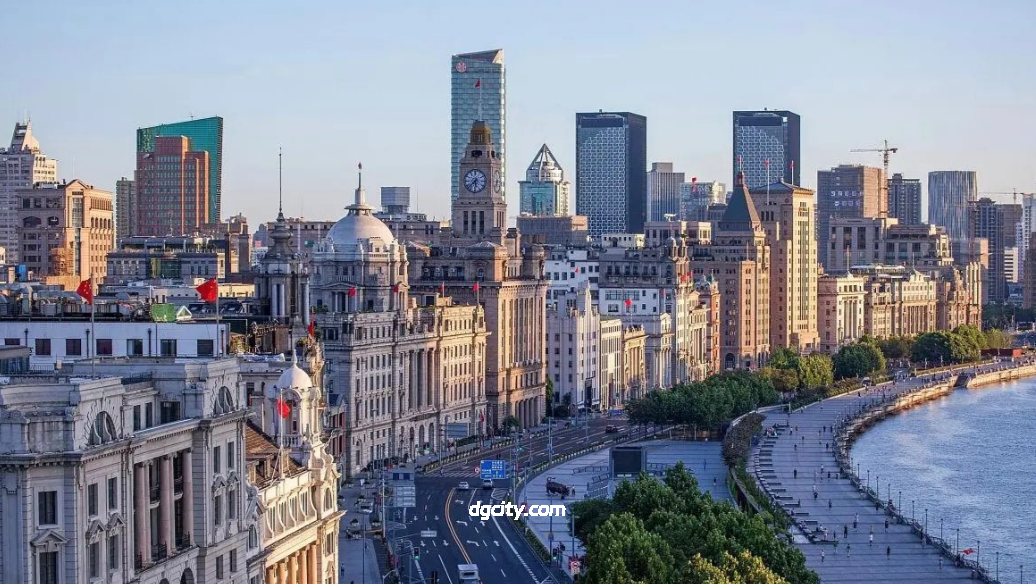
The birth of the Bund’s International Architecture Collection is closely linked to the history of Shanghai’s opening as a treaty port in 1843. Before the opening of the port, the Bund was a desolate shoal called “Lijia Chang”, with crisscross streams, overgrown reeds, and only a narrow muddy road for boatmen to pull fibers, rarely inhabited. After the signing of the Treaty of Nanking in 1842, Shanghai became one of the “Five Treaty Ports”, and officially opened its port in 1843. The British consul forcibly leased this riverside shoal, and then Western colonizers, merchants, and missionaries poured in one after another, setting up consulates, foreign firms, and banks here, starting the rise of the Bund. In May 1886, the British officially named this riverside waterfront “the Bund”. Since then, this shoal has gradually transformed from a desolate place into the financial center of the Far East, known as the “Wall Street of China”, and the International Architecture Collection is the most vivid witness of this glorious history.
Today’s Bund International Architecture Collection gathers dozens of Western architectural styles, including Gothic, Baroque, Neoclassicism, and Art Deco, with a total of 52 classical revival buildings. Its architectural appearance was basically formed in the 1920s and 1930s. Many buildings represent the highest achievements of world architecture at that time, and many famous Chinese and international designers participated in the design, making the Bund one of the most European-style blocks outside Europe. These buildings are not randomly piled up, but scattered and complementary in the overall layout. There are both skyscrapers as high as dozens of floors and elegant low-rise buildings. Granite exterior walls, carved colonnades, arched doors and windows, and dome reliefs — every detail shows ingenuity and grandeur, forming a unique urban skyline.
For foreign visitors, when visiting the Bund International Architecture Collection, there is no need to delve into the details of each building one by one. Focusing on several iconic buildings, you can appreciate its core charm. The Custom House is undoubtedly one of the most recognizable buildings on the Bund. Completed in 1927, it adopts a neoclassical style. The clock tower on the roof is the same as Big Ben in London, UK, about 43 meters high, and plays the melodious “Oriental Red” bell every hour, echoing along the Huangpu River, becoming a collective memory of several generations of Shanghainese. The exterior wall of the building is built with granite, the front colonnades are decorated with exquisite patterns, and the internal hall is spacious and gorgeous. Today, it still undertakes the customs office function, and also opens some areas to tourists, allowing people to feel its solemnity and elegance up close.
The HSBC Building (now the Pudong Development bank Building) was once known as “the most luxurious building from the Suez Canal to the Bering Strait”. Completed in 1923, it integrates neoclassical and Baroque styles. Every decoration, such as dome murals, mosaic inlays, and carved domes, is extremely luxurious. The twelve giant Roman columns on the front of the building are magnificent, supporting the spacious porch. The reliefs on the lintel show the trade scenes of various countries at that time, highlighting the glory of Shanghai as the financial center of the Far East a hundred years ago. The dome murals in the internal hall depict the twelve constellations, the sun god, and the moon god, which are bright in color and lifelike, and still intact after a hundred years. Walking into the hall, it feels like being in an art palace.
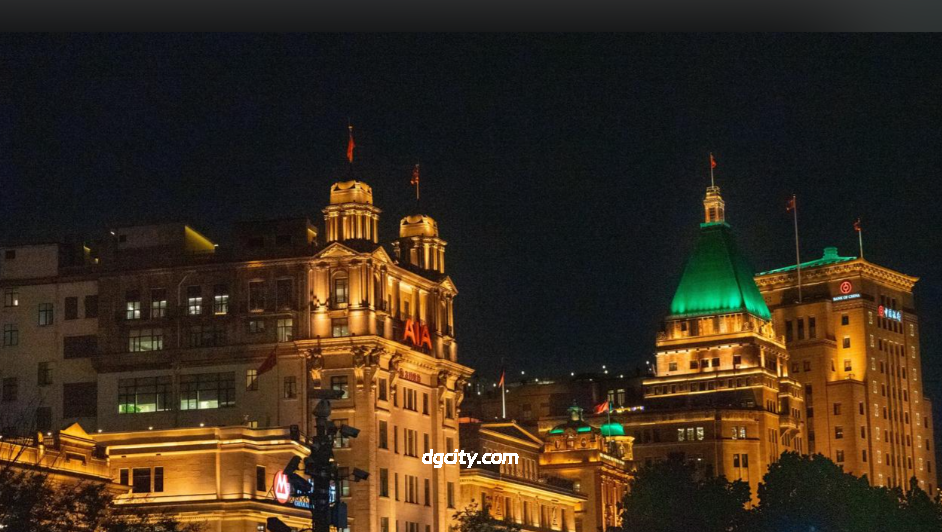
The North Building of Peace Hotel (formerly Sassoon House) is a representative of Art Deco architecture on the Bund. Completed in 1929, it was invested and built by the Jewish tycoon Sassoon. The whole building adopts a green copper roof, matched with brown granite exterior walls, with simple and smooth lines, both fashionable and grand. This hotel, once known as “the No. 1 Building in the Far East”, has witnessed the footprints of countless Chinese and foreign celebrities, including Charlie Chaplin and Albert Einstein, who have stayed here. Today, Peace Hotel is still one of Shanghai’s top hotels, retaining the decorative style of that year. Tourists can walk into the hotel lobby, taste a classic afternoon tea, feel the modernity and romance of old Shanghai, or climb to the rooftop terrace to overlook the panoramic view of the Bund and the Huangpu River scenery.
In addition to these iconic buildings, there are many wonderful places worth stopping on the Bund. Buildings such as Jardine Matheson Building, bank of China Building, and Shanghai Club Building each have their own unique styles and stories, either elegant, solemn, or luxurious, together forming the diverse charm of the International Architecture Collection. Among them, the Bank of China Building is the only building designed by a Chinese designer and built by a Chinese construction factory. It integrates traditional Chinese architecture with Western modern style. The roof adopts the traditional Chinese gable and hip roof, while the exterior wall is the simple lines of Western modern architecture, highlighting the confidence and inclusiveness of Chinese Culture, and becoming a unique scenery in the Bund Architecture Collection.
For foreign visitors, mastering the correct way to visit can make the Bund trip more rewarding. The best visiting time is divided into two periods: 6-8 in the morning, the Bund is quiet with few people, and the morning light shines on the buildings, making the granite exterior walls glow with a warm luster, which is suitable for taking photos and feeling the quiet beauty of the Bund; 18-20 in the evening, the sun sets, the buildings and the river reflect each other, and then the lights are turned on, the whole Bund is wrapped in bright lights. The skyscrapers in Lujiazui across the Huangpu River echo the Bund Architecture Collection, integrating ancient and modern, Chinese and Western, showing the most charming night view of Shanghai, which is the best time to feel the urban charm of Shanghai.
After the tour, there are many supporting experiences around the Bund that should not be missed. Walk along the riverside avenue by the Huangpu River, blow the river breeze, appreciate the scenery on both sides, and feel the vitality and comfort of Shanghai; the surrounding Nanjing Road Pedestrian Street is one of the most prosperous commercial streets in Shanghai, gathering various shops, restaurants, and shopping malls, where you can not only taste authentic Shanghai food, but also buy characteristic cultural and creative products as souvenirs; if you want to understand the history of the Bund buildings more deeply, you can also sign up for a professional tour group, follow the guide into the buildings, listen to the legendary stories behind each building, and understand the code of Shanghai’s century-old changes.
Today, the Bund International Architecture Collection has been listed as a national cultural relic protection unit and has become one of the most representative tourist landmarks in Shanghai, attracting millions of Chinese and foreign tourists every year. It is not only a feast of architecture, but also a witness of history and a carrier of Culture. It carries the changes of Shanghai’s century-old opening as a port, highlights the inclusiveness of Haipai culture, and witnesses the transformation of Shanghai from the financial center of the Far East to an international metropolis. For foreign visitors, a trip to the Bund can not only let you appreciate the world-class architectural landscape, but also understand Shanghai’s history and culture, vitality and romance, allowing every tourist to feel the unique charm of this city and leave an unforgettable travel memory.


暂无评论内容