




When you wander between Shanghai’s skyscrapers and old alleyways, besides the bright lights of the Bund and the elegant gardens of Yu Garden, there is another sound hidden in the city’s daily life that can take you to understand the thousand-year-old heritage of this city — that is Shanghai Luogu Shu. As a national intangible cultural heritage inscribed in 2006, this ancient folk rap art carries the folk memories of Shanghai’s suburban counties and is an excellent window for foreign tourists to explore Shanghai-style Culture. No need for a profound foundation in Chinese, just calm down and listen, and you can feel the simplicity and vitality of Jiangnan folk art.
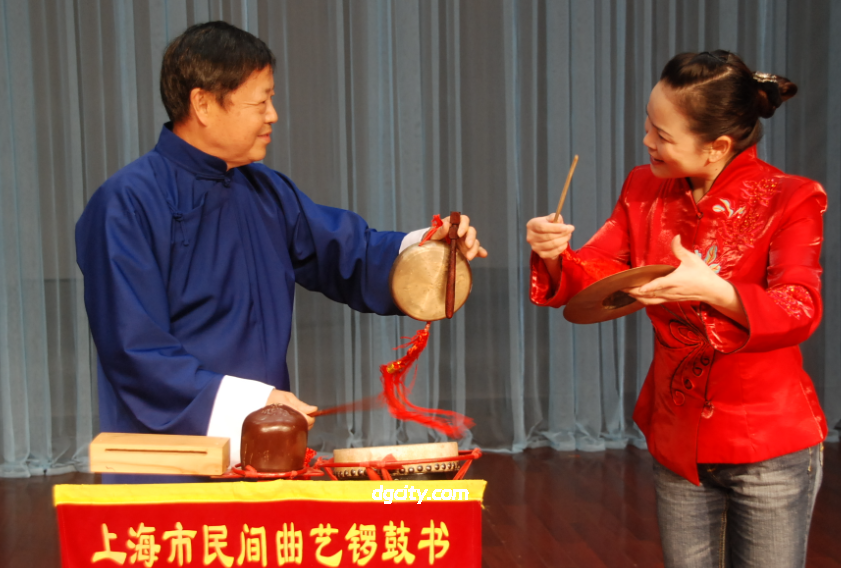
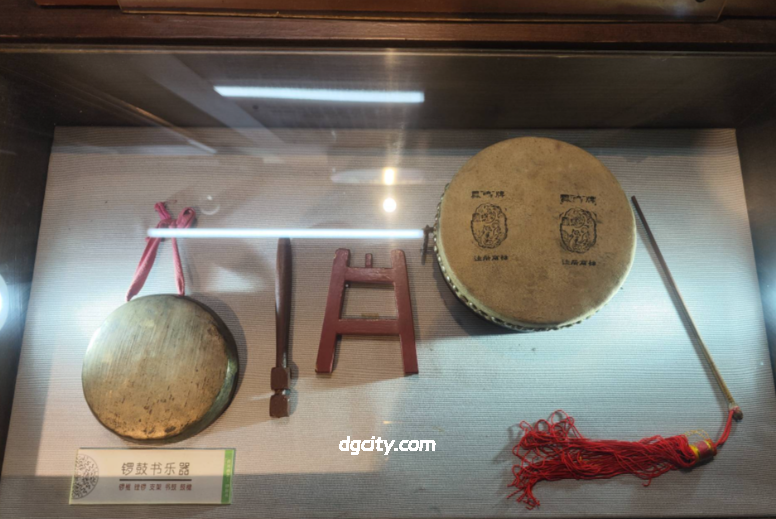
Shanghai Luogu Shu, formerly known as “Taibao Shu”, can be traced back to the late Han Dynasty and early Jin Dynasty, with a history of more than 1,800 years. Its formation is closely related to the folk activity “Taibu” in Shanghai’s suburban counties, which was originally a ritual rap for people to pray for peace and drive away plagues and epidemics. Later, it gradually separated from religious rituals and developed into an independent form of folk art. Different from the grandeur of Peking Opera and the gentleness of Pingtan, Luogu Shu is characterized by “playing gongs and drums by oneself while singing and speaking”. With only a small gong, a book drum and a cymbal, artists can interpret vivid stories with melodies that are both simple and powerful, combining the tenderness of Jiangnan water towns with the vitality of urban life.
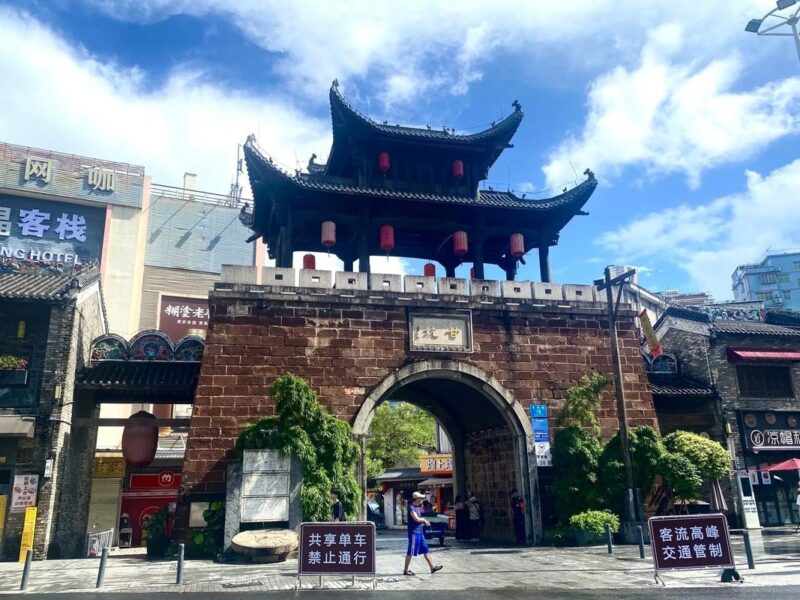
For foreign tourists who want to immerse themselves in the charm of Luogu Shu, the top destination is Xinchang Ancient Town in Pudong, Shanghai — not only an important birthplace of Luogu Shu, but also the most well-preserved and frequently performed area, known as the “Hometown of Chinese Folk Art (Luogu Shu)”. Wandering along the bluestone roads of Xinchang Ancient Town, turning past the old house with the plaque “Jinshi Di” (Scholar’s Residence), a two-story gray-and-white building comes into sight — the China Luogu Shu Art Museum. Opened in 2019, this museum is unique in Shanghai as a “gene bank of intangible cultural heritage” and the first stop for foreign tourists to learn about Luogu Shu.
Located at No. 145 Xinchang Street, Xinchang Ancient Town, the China Luogu Shu Art Museum is open to the public free of charge from 9:00 AM to 4:00 PM. The exhibits in the museum are rich and intuitive. No need to worry about language barriers, as all exhibits are accompanied by Chinese and English introductions, presenting everything from the origin and development of Luogu Shu to the gongs and drums used by artists and manuscripts of classic repertoires. You can touch the exquisite book drum and small gong with your own hands to feel the texture of traditional musical instruments, or watch the giant sand table in the Museum, which intuitively shows the prosperous scene where Luogu Shu was performed simultaneously in 27 teahouses in Xinchang Town in 1949, as if traveling through time and space to be in the urban bookstores of that year.
In addition to visiting the art museum, listening to a live performance is the essence of experiencing Luogu Shu. In Xinchang Ancient Town, there are two excellent viewing spots. One is the small performance area inside the China Luogu Shu Art Museum, where artists perform classic excerpts from time to time. The other is the Xinchang No.1 Building Bookstore located at No. 424 Xinchang Street. First built in the Qing Dynasty, this old building was once a gathering place for Luogu Shu, Pingtan and other Folk Arts. After renovation, it hosts various folk art performances every day, including Luogu Shu. Here, you can order a cup of green tea, sit in an elegant tea seat, and listen to artists interpret folk legends and historical stories in Shanghai dialect. Even if you don’t understand Shanghai dialect, you can understand the joys and sorrows of the stories through the artists’ vivid expressions and exaggerated movements, and feel the unique charm of Luogu Shu.
Getting to Xinchang Ancient Town is very convenient for foreign tourists. The most recommended way is to take Metro Line 16 to Xinchang Station, then take a taxi for 10 minutes to the entrance of the ancient town, with a taxi fare of about 20 RMB. You can also take Bus No. 3 or No. 5 of Xinchang at Xinchang Station directly to the core area of the ancient town. It is recommended that you reserve half a day for the tour. In addition to experiencing Luogu Shu, you can also wander around the bluestone alleyways of the ancient town, taste local specialty snacks such as Xiasha Shaomai (steamed dumplings) and Xinchang Glutinous Rice Dumplings, feel the daily vitality of the Jiangnan water town, and perfectly combine the intangible cultural heritage experience with the ancient town tour.
Here are some practical tips to help you better enjoy your Luogu Shu trip. First of all, most performances are held at 10:00 AM and 2:00 PM. It is recommended to arrive 10 minutes in advance and choose a window seat, where you can listen clearly and enjoy the scenery of the ancient town at the same time. Secondly, loud talking and random photography are prohibited in the museum. Please ask the staff for permission before taking photos. Finally, if you are interested in the history and repertoires of Luogu Shu, you can get a Chinese-English introduction manual at the entrance of the art museum, or consult the on-site staff, who will patiently explain to you.
Nowadays, Luogu Shu is developing and inheriting in a new posture. Not only do old artists stick to inheritance, but more teenagers have joined in, combining traditional folk art with contemporary elements, making this ancient art glow with new vitality. For foreign tourists, this is not only an audio feast, but also a cultural dialogue — in the sonorous sound of gongs and drums, you can understand the unknown folk heritage of Shanghai, feel the profoundness of Jiangnan Culture, and see the inclusiveness and perseverance of a city in the collision between tradition and modernity. When you come to Shanghai, please slow down, walk into Xinchang Ancient Town, listen to a piece of Luogu Shu, and let the sound of this thousand-year-old folk art become the most unique memory of your trip to Shanghai.




暂无评论内容