




The 2026 Year of the Horse Spring Festival has long transcended national borders and become a global cultural feast. Foreign tourists, filled with anticipation, book flights, pack their bags, and head to China to immerse themselves in the joy and warmth of the Spring Festival. They are not mere passers-by snapping photos, but fully engage themselves—holding brushes to write “Fu” characters, pasting Spring Festival couplets, learning to make glutinous rice balls, and dancing the lion dance. They do everything earnestly, almost regarding themselves as “half Chinese” and carefully unlocking the correct way to celebrate the Chinese New Year.
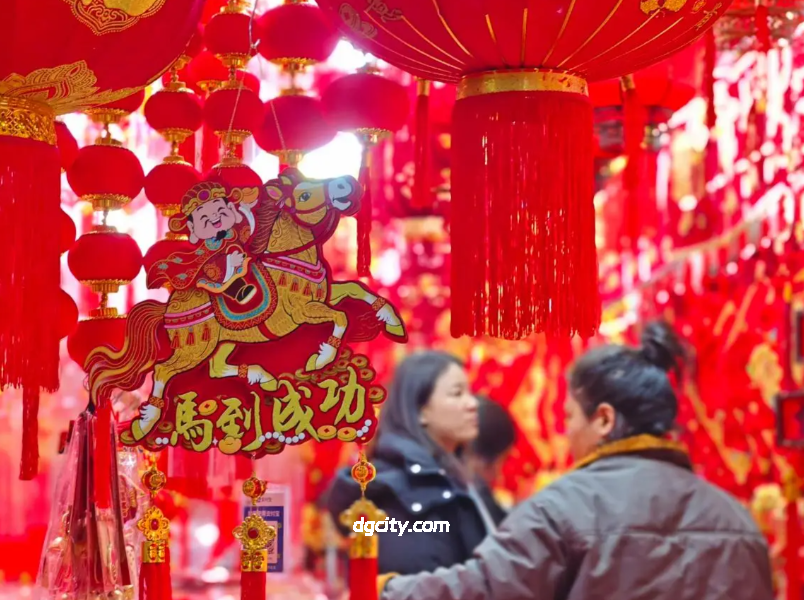
This Spring Festival boom has directly driven a explosive growth in inbound tourism, with air ticket and hotel bookings surging more than four times year-on-year. Among them, the number of Argentine tourists increased astonishingly, nine times that of last year; the growth rate of tourists from European countries such as the Netherlands, Spain, and the United Kingdom all exceeded three times; tourists from Japan, South Korea, and Southeast Asia flocked to China in an endless stream. In the Spring Festival travel rush at airports and high-speed rail stations, the figures of foreigners holding red Spring Festival couplets and “Fu” characters to take selfies are particularly eye-catching, forming a unique cross-cultural scenery.
The unique charm of the Chinese Spring Festival lies in its three-dimensionality, warmth, and strong sense of participation. In the snow of Harbin at minus 20 degrees Celsius, you can see foreigners with golden hair and blue eyes wrapped in flowery cotton-padded jackets, eating frozen pears, breathing white mist, and holding writing brushes to write “Fu” characters clumsily but earnestly. They are not onlookers, but the protagonists of this Spring Festival feast. This unique experience is exactly what makes the Chinese Spring Festival the most touching.
Here, you can personally knead dough into auspicious shapes, cut festive patterns from red paper, and learn lion dance steps to the beat of drums—even if the movements are funny, you can still enjoy yourself and gain full happiness and a sense of belonging.
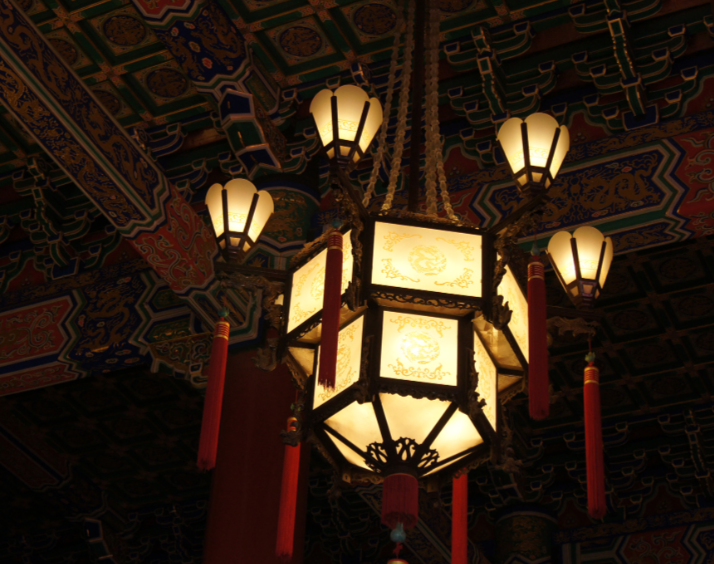
Some people once thought that foreigners’ interest in Chinese Culture only stayed on superficial symbols such as pandas, kung fu, and The Great Wall. But the reality of the 2026 Year of the Horse Spring Festival has completely broken this stereotype: today, they pursue more “immersive experience”, “hands-on participation” and “in-depth integration”. In Foshan, foreign tourists gather around inheritors of intangible cultural heritage, earnestly learning to make glutinous rice balls and dot the eyes of lion dancers; in a ancestral hall in Guangzhou, a group of young people from London squat on the ground, learning to make glutinous rice balls from elderly masters, not caring even if glutinous rice flour covers their fingers; at the Xi’an Temple Fair, foreigners line up to buy rock sugar gourds, taking a bite of sweetness and sourness, with joy all over their faces; when the lanterns in Beijing’s hutongs are lit, they hold mobile phones to take photos of the lanterns and try their best to say “Gong Xi Fa Cai” to send Chinese New Year blessings.
These warm details are passed on by word of mouth through tourists’ personal experiences, forming a spontaneous cultural communication upsurge. After returning home, they successively post their crooked Spring Festival couplets, variously shaped dough figurines, and leaking glutinous rice balls on social platforms, and each share is full of warmth. In the comment areas, there are countless inquiries from overseas netizens: “Where is this in China?” “How to go to China for the Spring Festival?” “I want to go next year!” A related video can easily get hundreds of thousands of likes, and its communication effect is far beyond any official promotion.
The popularity of Chinese New Year flavor around the world is not only due to its own cultural charm, but also thanks to the continuous upgrading of China’s inbound facilitation. In recent years, China has continuously expanded the scope of visa-free access, and visa-on-arrival and e-visas have become more and more popular. The simplified procedures have made foreigners exclaim “incredible”. The former impression of “trouble to come to China” has been completely changed. Now, you can land smoothly by booking a flight and filling out a form; payment has also become more convenient. Many scenic spots, restaurants, and stores support international credit cards or mobile payment bound with foreign cards, completely solving the travel troubles of foreign tourists.
Cultural and tourism departments in various regions have also been very attentive, specially designing exclusive Spring Festival custom experience projects for international tourists: multilingual interpreters accompany them throughout the process, bilingual operation guides are clear and easy to understand, and small cultural background cards are detailed and intimate… Even if you don’t understand Chinese at all, you can easily understand the cultural significance of “staying up late on New Year’s Eve”, “the meaning of New Year’s money”, and “the connotation of lion dance dotting the eyes”. This kind of care in details is the fundamental to retain tourists. The reason why the Spring Festival can become popular overseas is not due to the superficial prosperity, but the core connotation of reunion, praying for blessings, welcoming the new year, and respecting ancestors—these sincere emotional demands cross languages and national borders, resonating with people all over the world.
It is not difficult to see from the booking trend that before the end of the Spring Festival holiday, many foreign tourists have already started planning to come again next year, and even hope to stay a few more days to catch the excitement of the Lantern Festival. This means that the Chinese Spring Festival is gradually changing from a “one-time experience” to a “annual expectation” for foreign tourists, becoming a fixed item on many people’s life lists.
Behind this upsurge in inbound tourism is the comprehensive upgrading of China’s cultural and tourism industry. In the past, the development of cultural and tourism focused more on building large-scale scenic spots and creating grand scenes; today, people finally realize that what can really move people are those small, real, and interactive cultural fragments. NorthEast China focuses on “ice and snow + New Year flavor”, Lingnan highlights “intangible cultural heritage + food”, and Northwest China shows “history + folk customs”… The differentiated development model not only gives foreign tourists more choices, but also effectively extends their stay time. They are no longer satisfied with visiting first-tier cities such as Beijing and Shanghai, but are more willing to go deep into second and third-tier cities, counties and villages, just to experience an authentic shehuo (traditional folk performances) and listen to a genuine local opera.
This change marks that China’s tourism is transforming from “sightseeing” to “experience-oriented”, and the Year of the Horse Spring Festival has become the best test ground for this transformation. Foreign tourists vote with their feet, confirming that in-depth cultural experience is the future direction of the cultural and tourism industry. This has also forced the continuous upgrading of domestic services: hotel staff take the initiative to learn Spring Festival greetings, restaurants launch New Year’s Eve dinner sets suitable for foreign tastes, and scenic spots design more interactive Spring Festival custom links… The entire cultural and tourism chain works together to achieve systematic evolution and improvement.
This evolution may not show significant GDP contribution in the short term, but in the long run, it is constantly shaping China’s cultural recognition and emotional appeal. When “celebrating the New Year” is no longer exclusive to Western Christmas, and when people mention “celebrating the New Year”, the first reaction is “do you want to go to China to have a look”, that is the real popularity of Chinese Culture in the world.
What moves people most about foreigners flocking to China for the Spring Festival is their attitude: they are not here to “consume” Chinese Culture, but to “participate” in it. There is no condescending curiosity, no superficial impulse to punch in, only sincere curiosity and respect, and a desire to try to “celebrate the New Year like the Chinese”. This equal cross-cultural communication has instead stimulated the Chinese people’s cultural pride—when seeing a foreign child seriously pasting the “Fu” character upside down on the door, the uncle next to him smiles and corrects: “It should be pasted upright, meaning ‘Fu arrives'”. Such a natural and warm scene is more vivid and powerful than any classroom education.
These small and warm memory fragments are gradually piecing together a more three-dimensional, friendly and warm image of China. Compared with grand cultural narratives, this kind of personal and real experience can better cross national borders and move people’s hearts. Of course, challenges still exist: how to balance commercialization and cultural authenticity? How can temple fairs attract tourists without losing their traditional flavor? How can multilingual services cover smaller cities and villages? These issues need us to continue to explore and improve in the process of development.
But at least now, we are moving in the right direction—instead of shouting slogans or forcing cultural output, we just need to truly show our good culture and New Year flavor, and we can naturally attract people from all over the world to voluntarily come in, stay, and come again. If the Spring Festival can do it, other traditional Chinese cultures also have the opportunity. The explosion of inbound tourism is seemingly brilliant economic data, but in essence, it is the global recognition and love for Chinese culture. When a festival can make people of different skin colors, languages and beliefs put aside their differences and cheer and move for the same sense of ritual, it has already transcended national borders. The 2026 Year of the Horse Spring Festival is becoming such a festival. It is no longer exclusive to Chinese people, but an open, shared and warm global festival. The figures of foreigners carrying suitcases to China are the best proof—Chinese New Year has long become a world festival.




暂无评论内容