




As an international metropolis, Hong Kong boasts a well-developed transportation network, and taxis, as a flexible and efficient travel option, are an excellent companion for foreign visitors exploring the city. Unlike many cities, Hong Kong’s taxis are distinguished by distinct colors indicating their service areas. The three types—red, green, and blue—each have their own roles, together forming a passenger transport network covering the entire region. Understanding their service scopes, fare rules, and luggage fees will make your Hong Kong trip smoother and more convenient.
I. Three Colors of Taxis: Different Service Areas
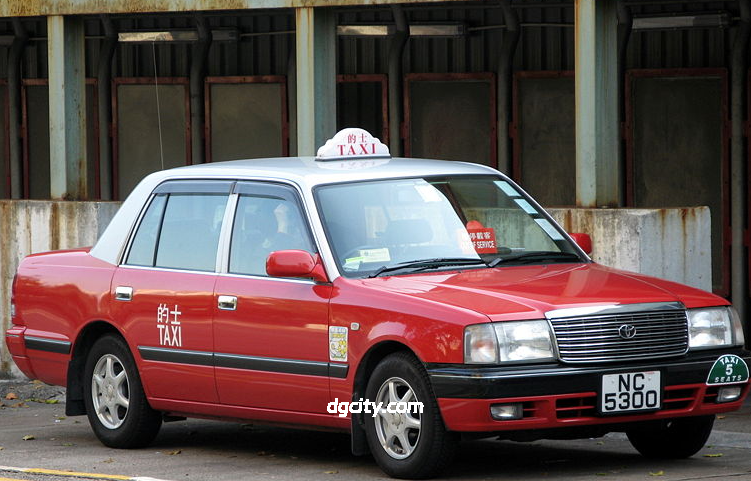
Hong Kong’s taxi color-coding system was introduced in the 1970s to balance transportation needs across different regions, preventing an overconcentration of taxis in urban areas while ensuring adequate capacity in suburban areas. Today, these three colored taxis have become a unique feature of Hong Kong’s streets.
- Red Urban Taxis: As the most numerous type with approximately 15,000 vehicles, red taxis cover Hong Kong Island, Kowloon, and most parts of the New Territories, excluding Tung Chung Road and some roads in South LantauHK TD. Whether you’re heading to the skyscrapers of Central, the shopping paradise of Tsim Sha Tsui, or Sha Tin Racecourse in the New Territories, red taxis can take you directly to your destination, making them the top choice for foreign visitors exploring urban areas.
- Green New Territories Taxis: With around 2,800 vehicles, green taxis primarily serve specific areas in the New Territories, including Tuen Mun District, Yuen Long District, Tai Po District, and North District. They are also permitted to travel to popular destinations such as Hong Kong International Airport and the Hong Kong Port of the Hong Kong-Zhuhai-Macao Bridge via designated routesHK TD. It’s important to note that green taxis are not allowed to enter the core urban areas of Hong Kong Island and Kowloon. For cross-region travel, you’ll need to transfer to a red taxi at the district boundary.
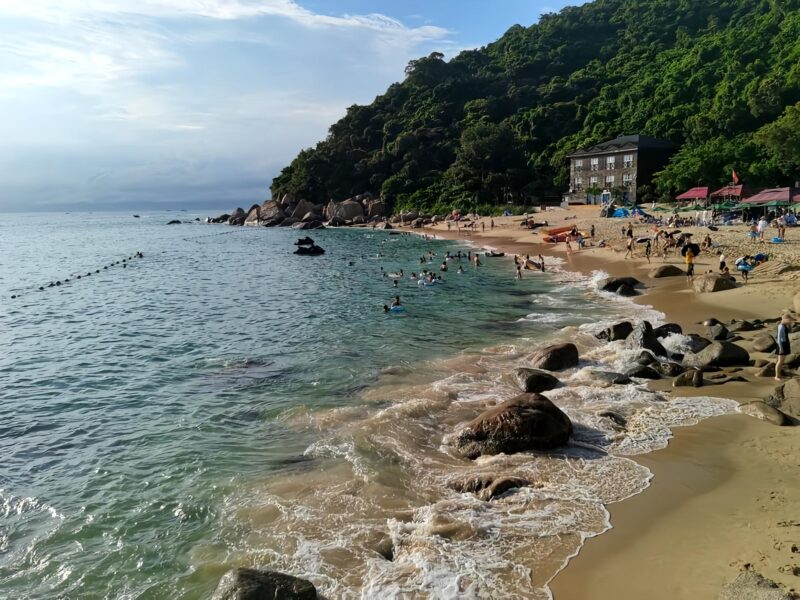
- Blue Lantau Taxis: The rarest type with only 75 vehicles, blue taxis are truly a “rare breed”HK TD. Their service area is strictly limited to Lantau Island, Chek Lap Kok, and the Hong Kong Port of the Hong Kong-Zhuhai-Macao Bridge. They are the exclusive transportation option for visiting attractions like Hong Kong Disneyland, Ngong Ping 360, and Lantau Island’s beaches, with drivers highly familiar with the local mountain roadsHK TD.
II. Fare Rules: Transparent with No Hidden Costs
Hong Kong’s taxi fares are regulated by the government and calculated using taximeters, ensuring transparency and fairness. All fare standards are posted inside the taxi for passengers to reviewHK TD. Below are the latest fare rules effective since July 2024 (with slight differences between the three types):
- Red Urban Taxis: The initial fare is HK$27 for the first 2 kilometers. Beyond that, the fare increases by HK$1.9 for every 200 meters or every minute of waiting time until the total reaches HK$93.5, after which the rate drops to HK$1.3 per 200 meters or per minute of waiting. A night surcharge of HK$5 per kilometer applies from 11:00 PM to 6:00 AM the next day. The minimum fare is HK$31.5 to cover basic operating costs for short trips.
- Green New Territories Taxis: Offering a more affordable option, the initial fare is HK$23.5 for the first 2 kilometers. Subsequent charges are HK$1.7 per 200 meters or per minute of waiting until the total reaches HK$74.5, after which the rate becomes HK$1.3 per 200 meters or per minute of waiting. The night surcharge period is from 11:00 PM to 7:00 AM the next day, also HK$5 per kilometer, with a minimum fare of HK$26.
- Blue Lantau Taxis: The most economical choice, with an initial fare of HK$24 for the first 2 kilometers. Beyond that, the fare increases by HK$1.9 for every 200 meters or every minute of waiting until the total reaches HK$195, after which the rate is HK$1.6 per 200 meters or per minute of waitingHK TD. Additionally, a HK$5 booking fee applies for telephone or app reservations, with no night surchargeHK TD.
It’s important to note that tunnel and bridge tolls incurred during the journey are the responsibility of the passenger, and the driver will collect the actual amount and provide corresponding receipts.
III. Luggage Fees and Additional Charges
Hong Kong taxis have clear regulations regarding luggage fees, and not all luggage is subject to additional charges. The specific standards are as follows:
- Chargeable Luggage: A luggage fee of HK$6 per item applies to any luggage placed in the trunk, or large items placed inside the cabin with a total length, width, and height exceeding 140 centimetersHK TD. Strollers are also subject to this fee unless they can be folded and placed in the cabin within the size limit.
- Free Luggage: Handheld luggage such as backpacks and suitcases carried by passengers and placed inside the cabin is not subject to luggage feesHK TD. Wheelchairs and crutches used by passengers with disabilities can be carried free of chargeHK TD.
- Other Additional Charges: A HK$5 fee applies for each animal or bird carried. Booking a taxi via telephone or mobile app incurs an additional fee of HK$5 to HK$10, depending on the booking channelHK TD.
IV. Practical Tips for Foreign Visitors
- Hailing a Taxi: You can hail a taxi on the street by waving your hand in non-restricted areas, and available taxis will display a red “For Hire” sign. During peak hours or at popular attractions, it’s advisable to wait at hotel entrances or designated taxi stands. You can also book via English-friendly apps such as HKTaxi and GO Taxi.
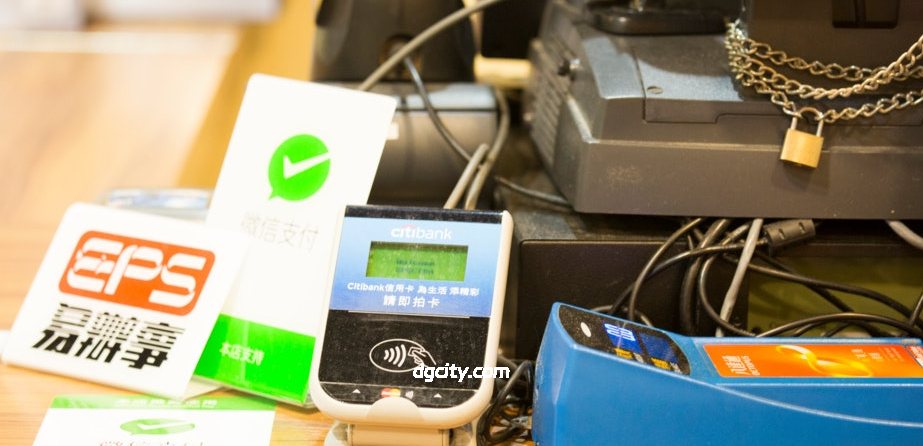
- Payment Methods: Cash and Octopus Card are the most commonly used payment methods. Some taxis accept credit cards, Alipay, and WeChat Pay, so it’s recommended to confirm with the driver before boarding. Drivers may not be able to provide change for HK$500 or HK$1,000 notes, so it’s best to carry small-denomination Hong Kong dollars.
- Safety and Etiquette: Hong Kong law requires all taxi passengers (including those in the back seat) to wear seat belts, with violations punishable by a maximum fine of HK$5,000 and three months in prison. You can request a printed receipt from the driver during the trip; if the printer is malfunctioning, ask for a handwritten receipt for lost property recovery or complaint purposesHK TD.
- Communication Tips: Some drivers may only speak basic English or Mandarin. It’s recommended to write down the destination address in Chinese or display it on your phone, or use navigation apps to show the route to avoid communication misunderstandings.
- Complaints and Assistance: If you encounter overcharging, refusal of service, or other issues, record the driver’s name, taxi license plate number, and travel time, then contact the Transport Complaints Unit at +852 2889 9999. For lost property, call +852 1872 920.
Hong Kong’s taxis are not just a means of transportation but also a window to experiencing local life. Each of the three colored taxis carries the characteristics of different regions, and drivers are familiar with every street in the city, able to provide the fastest travel plans. With the above guide, you can easily navigate Hong Kong’s taxi system, freely traveling between the city’s bustling streets and peaceful corners, and fully exploring Hong Kong’s unique charm.








暂无评论内容