




Yongchuan Douchi, known as the “God of Sichuan Cuisine”, is a unique traditional fermented soybean product in Yongchuan, Chongqing. With a history of nearly 400 years, its brewing technique was listed in the second batch of National Intangible cultural heritage in 2008 and is also a national geographical indication protected product, carrying the food Culture and folk memory of the Sichuan-Chongqing region. This mucor-type douchi, with its unique flavor of bright black color, moist and loose seeds, fresh and sweet taste, and smooth texture, has become an indispensable soul condiment in Sichuan Cuisine. From salt-fried pork to douchi fish, from hot pot base to home-cooked dishes, it can be seen everywhere. Mastering the brewing technique of Yongchuan Douchi not only allows you to taste the traditional flavor, but also inherit an intangible cultural heritage precipitated by time.
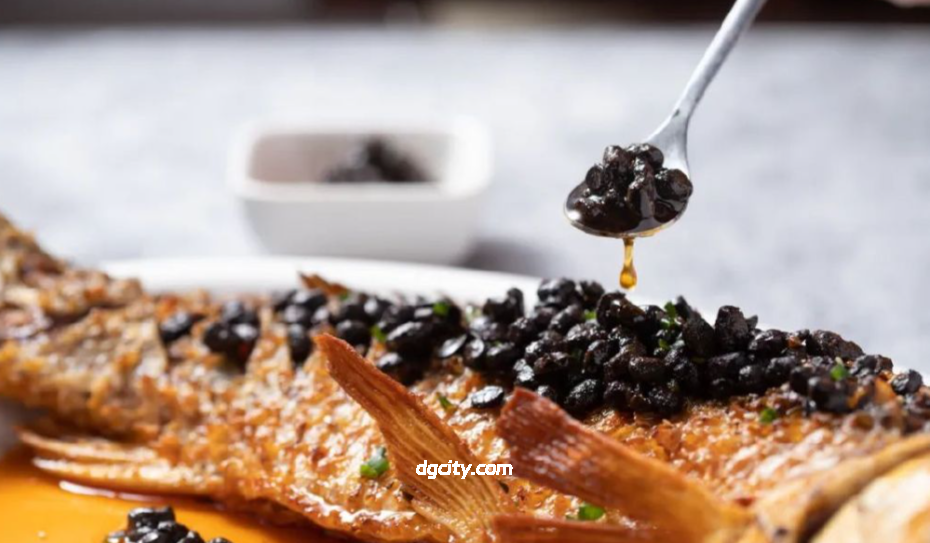
The uniqueness of Yongchuan Douchi’s brewing technique is not only due to the unique natural conditions of the local area, but also inseparable from the ingenuity passed down from generation to generation. Yongchuan has little air pollution, an average humidity of 84%, and abundant underground well water resources, which are suitable for the reproduction of microorganisms such as mucor, providing a natural and excellent environment for douchi fermentation. The brewing process is cumbersome and complex. From raw material selection to finished product delivery, it needs to go through more than ten processes, each of which must be strictly controlled without the slightest carelessness, which is also the key to its unique flavor.
First is the raw material selection link, which is the foundation of ensuring the quality of douchi. traditional Yongchuan Douchi uses high-quality soybeans with plump grains, golden color, no damage and no mildew, and impurities and inferior beans are firmly removed. The choice of soybeans instead of black beans is one of the characteristics of Yongchuan Douchi. Soybeans have a more moderate content of oil and protein, and can form a more mellow sauce flavor after fermentation. After selection, the soybeans need to be washed clean in clean water to remove dust and impurities on the surface, ensuring the cleanliness of the raw materials.
Next is the soaking process, which directly affects the cooking effect of soybeans and the quality of subsequent fermentation. Put the washed soybeans into a container, add enough local well water from Yongchuan, and the soaking time needs to be adjusted according to the season: in summer, when the temperature is high, 12-14 hours of soaking is enough; in winter, when the temperature is low, it needs to be extended to 18-24 hours until the soybeans are fully absorbed and swollen, which can be deformed but not broken when pinched by hand. At this time, the water content of soybeans reaches the standard suitable for fermentation, which can not only ensure that they are soft but not rotten after cooking, but also provide sufficient nutritional basis for microbial fermentation.
After soaking, enter the cooking link. The traditional process uses slow steaming with firewood in a wooden steamer. Fish out the soaked soybeans, drain the water, put them into a special wooden steamer, and steam them slowly with firewood for 3-4 hours. During this period, it is necessary to constantly observe the state of the soybeans to ensure that each soybean is fully cooked, achieving the effect of “soft but not rotten, cooked but not sticky”. Slow steaming with firewood can maximize the retention of the original flavor of soybeans, and at the same time fully denature the protein of soybeans, preparing for subsequent fermentation. After cooking, take out the soybeans, spread them on a clean bamboo sieve, and let them cool naturally to 30-35℃. Too high temperature will kill the strains inoculated later, and too low temperature will affect the activity of the strains. The temperature control at this step is crucial.
After cooling, enter the koji-making link, which is the core step of Yongchuan Douchi fermentation and the key to forming its unique flavor. Koji-making adopts the traditional bamboo sieve koji-making method. Spread the cooled soybeans evenly on the bamboo sieve with a thickness of 3-5 centimeters, and then inoculate with mucor strains. After inoculation, place the bamboo sieve in a constant temperature and humidity environment, keep the temperature at 25-28℃ and the humidity at 80%-85% to allow the mucor to grow naturally. During this period, it is necessary to turn the soybeans regularly to ensure uniform growth of mucor, avoiding excessive or insufficient mold growth in local areas. After about 7-10 days, the surface of the soybeans will be covered with a layer of snow-white fluff, and the koji is completed at this time, emitting a light moldy fragrance, which is the “soul” of douchi fermentation.
After koji-making, enter the mixing link. Put the koji into a clean container, add an appropriate amount of auxiliary materials, including local well water from Yongchuan, edible salt made from glutinous rice, fermented glutinous rice and Baijiu made by solid-state fermentation of Xiaoqu. The proportion of auxiliary materials must strictly follow the traditional formula. Salt can inhibit the growth of miscellaneous bacteria and enhance the flavor; fermented glutinous rice and Baijiu can increase the mellow and sweet taste of douchi and promote fermentation. When mixing, it is necessary to stir evenly to ensure that each grain of koji can be evenly wrapped with auxiliary materials, preparing for subsequent pit fermentation.
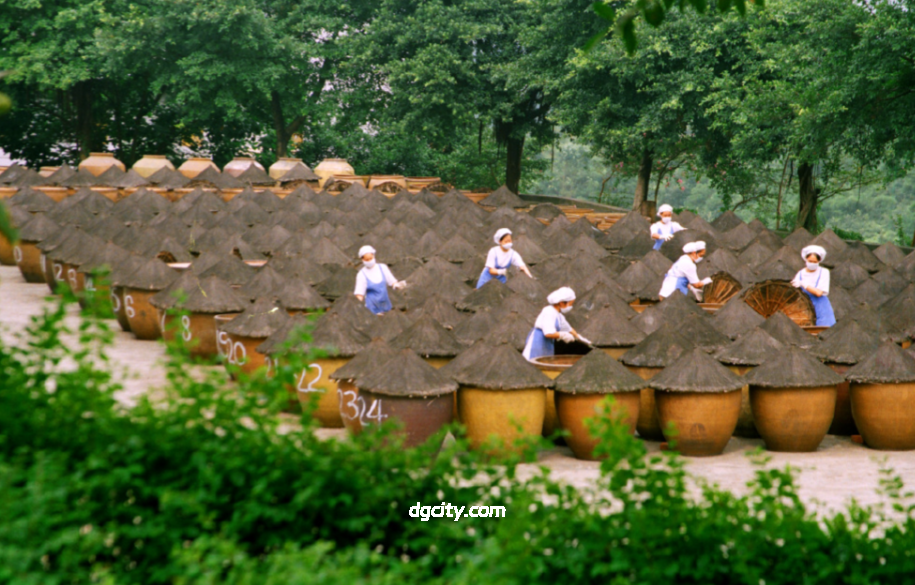
After mixing, it is the pit fermentation link, which requires patience. Only the precipitation of time can breed the unique flavor of douchi. Put the mixed koji into a ceramic pit, compact it and seal it, and place it in a normal temperature environment for natural fermentation. The fermentation time is as long as more than 1 year. In the traditional process, the materials are usually put in the Double Ninth Festival and mature in the Mid-Autumn Festival of the next year. After four seasons of circulation, microorganisms can fully decompose the protein, starch and other nutrients in the soybeans into flavor substances such as amino acids and esters. During fermentation, it is necessary to regularly check the temperature and humidity in the pit to avoid air leakage or moisture in the pit, ensuring the smooth progress of the fermentation process.
After the fermentation is mature, carry out the final finishing and packaging links. Take out the fermented douchi from the pit, remove impurities and agglomerates, then dry or bake it according to needs to control the water content of douchi within the appropriate range, which can not only ensure the taste but also extend the shelf life. After finishing, put it into a clean container and seal it for preservation. Traditionally, it is packaged in ceramic jars, which can better retain the flavor of douchi and prevent deterioration.
Nowadays, the brewing technique of Yongchuan Douchi is constantly innovating in inheritance. On the basis of retaining the essence of traditional craftsmanship, it optimizes the production process, improves production efficiency, and at the same time cooperates with professional institutions for product research and development, launching low-salt douchi and other products that meet the needs of modern health, making this intangible heritage technique glow with new vitality in the new era. Inheriting the brewing technique of Yongchuan Douchi is not only inheriting a craft, but also inheriting an ingenuity and a Culture, allowing this nearly 400-year-old douchi fragrance to continue to flow in the years.






暂无评论内容