




When talking about Chongqing cuisine, most people immediately think of hot pot, small noodles and Jianghu dishes, but few know about the time-honored Tujia Eight Bowls, an intangible cultural heritage feast hidden in the Wuling Mountains of Southeast Chongqing. Passed down for hundreds of years, this authentic local delicacy is rooted in Tujia-inhabited areas such as Youyang, Shizhu and Pengshui. It is the exclusive feast for Tujia people to hold weddings, funerals, festivals and entertain distinguished guests. With no delicate plating or luxurious ingredients, it uses simple earthen bowls to hold the human touch and culinary wisdom of the Tujia ethnic group, making it a unique and culturally profound food card for Chongqing, and a must-try for tourists exploring local folk customs.
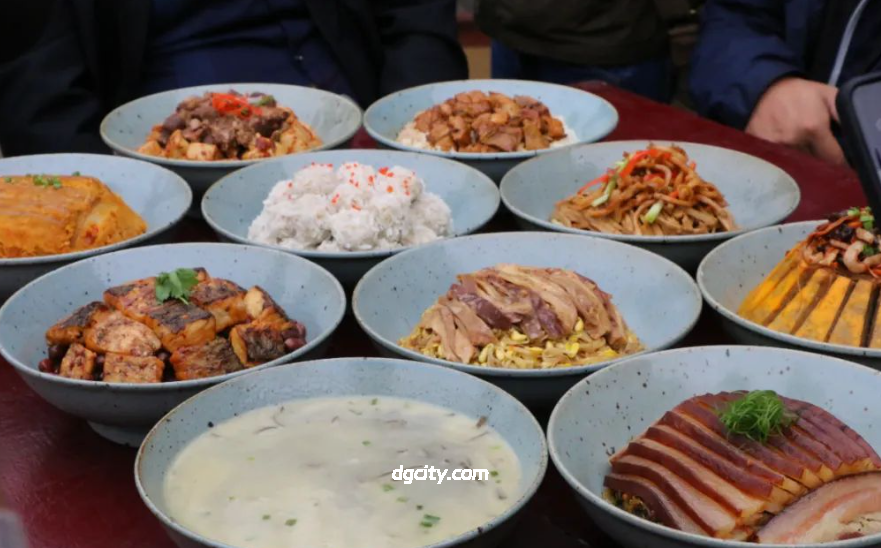
The origin of Tujia Eight Bowls is closely linked to the Tujia people’s life philosophy. In ancient times, Tujia people lived in the mountainous areas of Wuling, with relatively scarce supplies. Steaming, stewing and boiling were the main cooking methods, while frying was rare. Steamed dishes could retain the original flavor of ingredients and be prepared in large batches, perfectly meeting the needs of banquets. The Tujia people have always valued “stability and harmony”, so banquets are equipped with eight-immortal tables, with eight guests per table, corresponding to eight main dishes, all served in large earthen bowls. Over time, it got the name “Eight Bowls”, and this custom has been passed down from generation to generation, remaining the core rule of Tujia banquets to this day.
Authentic Chongqing Tujia Eight Bowls has a fixed menu, dominated by steamed dishes and supplemented by stewed dishes, with a balanced mix of meat and vegetables, rich but not greasy, and fresh and mellow taste. Each dish has a unique cultural implication, full of folk goodwill. The eight core dishes are Tujia Braised Pork, Cube Pork, Steamed Pork with Rice Flour, Stewed Crispy Pork with Radish, Stuffed Oil Tofu, Stewed Spare Ribs with White Gourd, Glutinous Rice Balls and Braised Fish Fillets, each made with superb skills of local Tujia cooks.
Tujia Braised Pork, also known as Sprout Vegetable Braised Pork, is the signature dish of the Eight Bowls. It is made of three-layered pork belly with equal fat and lean meat, blanched, fried with sugar color until the skin wrinkles, sliced, matched with locally pickled sprout vegetables, and steamed for more than two hours. The fat part is tender and melts in the mouth, the lean part is fresh and not dry, and the sprout vegetables absorb the meat flavor, making it salty, fragrant and delicious for all ages. Cube Pork is a hearty main dish, made of large pieces of pork belly blanched and braised slowly, bright red in color, soft and tender in texture, with a slight sweet taste, showing the bold and forthright character of Tujia people.
Steamed Pork with Rice Flour uses well-proportioned pork, coated with specially fried rice flour, paired with sweet potatoes or potatoes at the bottom. After steaming, the rice flour is soft and glutinous, full of meat fragrance, and the oil seeps into the vegetable base, making it not greasy at all. Stewed Crispy Pork with Radish is made of golden crispy fried pork stewed with high-mountain white radish; the crispy pork absorbs the soup, the radish is sweet and soft, and the soup is fresh and warm. Stuffed Oil Tofu fills tender meat stuffing into hollow oil tofu, and after steaming, the tofu absorbs meat juice, soft and juicy, upgraded from a daily Tujia home dish to a banquet specialty.
The remaining four dishes are equally distinctive. Stewed Spare Ribs with White Gourd is light and relieves greasiness, balancing the richness of the whole feast; Glutinous Rice Balls are soft, glutinous and sweet, symbolizing reunion, a must for festive banquets; Braised Fish Fillets are made of local river fish, tender and fresh, symbolizing surplus year after year; the final Kelp Soup is fresh and refreshing, a perfect ending to the meal. The whole set of Eight Bowls has no complicated seasonings, relying on the original freshness of ingredients and slow cooking skills to restore the purest local flavor, with every bite carrying the mellow taste of years.
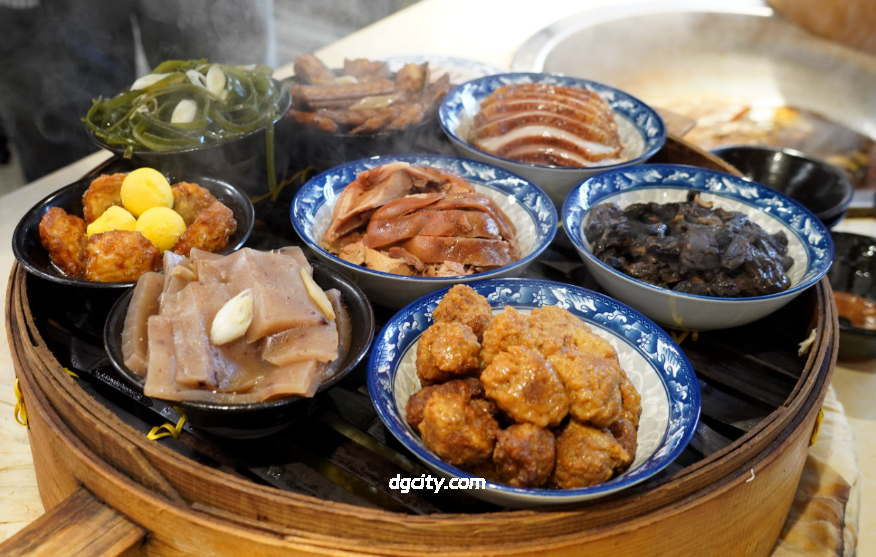
To taste authentic Tujia Eight Bowls, the best choices are Gongtan Ancient Town, Longtan Ancient Town in Youyang, and Tujia villages in Shizhu. Local farm restaurants and folk inns serve authentic flavors, and some ancient towns still keep the traditional banquet serving ceremony with suona music and firecrackers, creating a strong folk atmosphere. There are no strict dining rules here; Tujia people advocate casual dining, so visitors can eat and drink freely to feel the simple human touch.
Nowadays, the making skills of Tujia Eight Bowls have been listed as Chongqing Intangible cultural heritage. It is not only a delicacy, but also a living carrier of Tujia folk Culture, carrying the Tujia people’s hospitality and life inheritance. For tourists visiting Chongqing, after exploring the bustling main urban area, you may go deep into the mountains of Southeast Chongqing to taste this century-old Tujia feast, stay away from the noise of internet-famous food, feel the most authentic Chongqing local flavor, and understand the Tujia culture hidden in every bowl and chopstick, which is a unique in-depth experience of Chongqing food tour.





暂无评论内容