




Nestled in western Chongqing, Rongchang District blends Bayu folk customs and profound Hakka heritage, and the Hakka Nine Bowls is more than a hearty, steaming feast—it is a centuries-old intangible cultural heritage item, a living legacy of Hakka immigrants who settled here, and a must-have ceremonial dish for local weddings, funerals, birthdays, housewarmings and festive gatherings. Different from other Nine Bowls banquets in Sichuan and Chongqing, Rongchang Hakka Nine Bowls carries distinctive Hakka cultural marks, focusing on steamed dishes, balanced meat and vegetable collocation, and auspicious meanings. Every dish embodies the Hakka ancestors’ life wisdom and hospitality, making it a iconic food brand of Rongchang that draws food lovers from home and abroad to taste its authentic, rustic flavor.
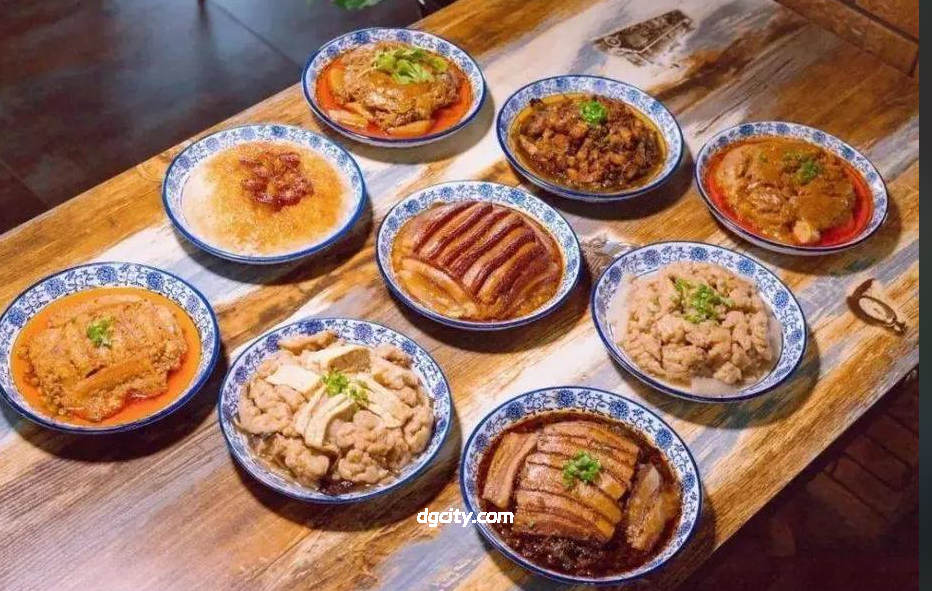
The origin of Rongchang Hakka Nine Bowls dates back to the Ming and Qing dynasties, when large groups of Hakka people migrated from Guangdong, Fujian and Jiangxi provinces to Sichuan, and settled down in Rongchang. They brought their traditional banquet customs to western Chongqing, and adapted them with local premium ingredients—such as the famous Rongchang pork, fresh fish from Laixi River, and local grains—creating this unique Hakka feast. The number “nine” holds deep auspicious meaning in Hakka Culture, symbolizing longevity, prosperity and eternal harmony; that is why the feast centers on nine signature main dishes, paired with cold dishes, snacks and soups to form a complete set. Originally, this feast was mostly held in rural courtyards, known as “courtyard feast” or “buffet feast”, with large brick stoves, bamboo steamers and neighbors helping cook together, full of warm, lively atmosphere that shows the bold and hospitable character of both Hakka and Bayu people.
Authentic Rongchang Hakka Nine Bowls features nine fixed staple steamed dishes, mostly made with high-quality Rongchang pork, chicken, duck and fresh fish, featuring soft, glutinous and rich taste without being greasy. Each dish has a special auspicious implication, forming an inseparable whole of the feast. The nine core dishes are: First Bowl Lean Pork (the opening dish, meaning a good start), Braised Laixi River Fish (symbolizing surplus year after year), Hakka Stewed Duck (for health and good luck), Bone-in Crispy Pork (crispy outside and tender inside, representing abundance), Glutinous Rice Balls (meaning reunion), Egg Dishes (steamed egg or egg rolls, for completeness), Steamed Pork Elbow (soft and tender, symbolizing wealth), Salted Steamed Pork with Preserved Vegetables (rich and not greasy, for a prosperous life), and Sweet Steamed Pork with Red Bean Paste (sweet and glutinous, for a happy life). For distinguished guests, extra side dishes and snacks are added, including fish balls, fish cakes, yellow cold noodles, Zhu Er Ba (glutinous rice cake) and fried sesame balls. The serving order follows strict traditional rules, starting with cold appetizers, followed by hot steamed dishes, and ending with soup, full of ceremonial charm.
Enjoying Rongchang Hakka Nine Bowls is not only a delicious culinary experience, but also a journey into traditional folk etiquette. In old times, the feast was served on eight-seat square tables, with seating arranged by seniority; servers would call out loudly when carrying dishes, and stacked bamboo steamers filled the air with warm steam. Guests would wait for the elders to start eating first, showing respect for the elderly. Today, this traditional feast retains its classic steaming technique and core dishes, while adjusting to modern tastes with less oil and more delicate ingredients. Visitors don’t have to wait for a local ceremony to try it—authentic Hakka Nine Bowls restaurants can be found in Wanling Ancient Town and downtown Rongchang, offering both individual tasting sets and group banquets for tourists.
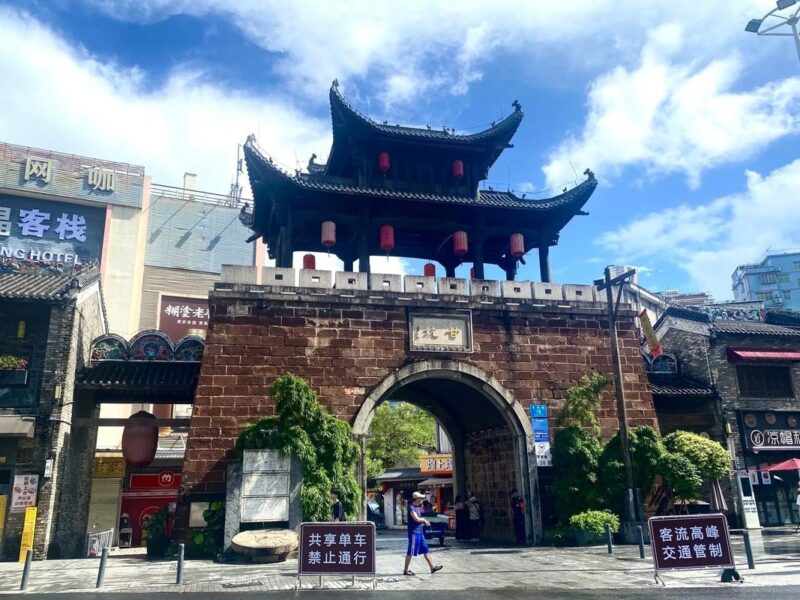
For travelers, Wanling Ancient Town (formerly Lukong Ancient Town) is the best place to taste authentic Rongchang Hakka Nine Bowls. This well-preserved historic town features stone-paved roads, ancient wooden buildings and peaceful river views, making it a perfect backdrop to enjoy the traditional feast. It is recommended to choose restaurants that cook dishes to order with traditional bamboo steamers, ensuring fresh ingredients and original flavor. Follow the serving order: start with the First Bowl to stimulate appetite, then taste crispy pork, steamed pork elbow and other hearty dishes, and finish with the sweet red bean paste steamed pork. Pairing with local rice wine will enhance the overall dining experience. Besides Wanling Ancient Town, many specialty folk restaurants and farm stays in downtown Rongchang also serve genuine Hakka Nine Bowls, and some even display the cooking process, allowing visitors to watch chefs prepare, season and steam dishes up close, experiencing the craftsmanship of this intangible cultural heritage food.
Rongchang Hakka Nine Bowls is far more than nine dishes—it is a carrier of Hakka immigration Culture, a witness to the integration of Hakka and Bayu folk customs, and a taste of warmth and time. It has no fancy plating, but uses the simplest ingredients and most traditional techniques to create the most comforting flavor, carrying the nostalgia of Hakka people and the folk memory of Rongchang locals. When traveling in Chongqing, a meal of authentic Rongchang Hakka Nine Bowls is a must: amid the steaming steam and rich flavor, you will feel the unique Hakka charm of Rongchang and the most genuine rustic warmth of western Chongqing.



暂无评论内容