




Chongqing, located in the upper reaches of the Yangtze River, boasts 691 kilometers of Yangtze River waterways and has long been a core shipping hub in the Chuanjiang (Sichuan-Yangtze) region. The unique geographical landscape of towering mountains, winding waterways and numerous dangerous rapids has nurtured Chuanjiang Haozi, a folk art treasure passed down for thousands of years. In 2006, Chuanjiang Haozi was included in the first batch of China’s National Intangible cultural heritage List, standing as one of the most representative traditional music forms in Chongqing and the entire Yangtze River Basin. It is widely honored as a “living fossil of Yangtze River Culture”, not only a labor ballad for ancient boatmen to fight against turbulent waters, but also a vivid symbol of the tenacious, united and progressive spirit of the Bayu people, remaining vibrant in Chongqing after thousands of years of evolution.
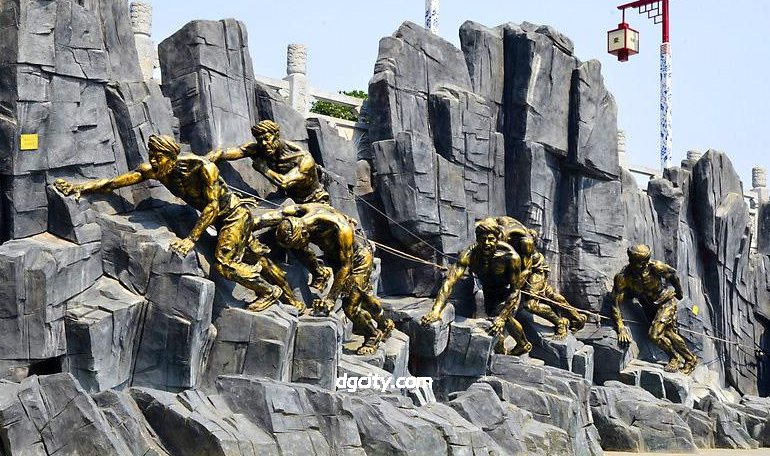
Dating back more than 3,000 years, Chuanjiang Haozi is deeply rooted in the history of Chuanjiang shipping. In ancient times, land transportation was underdeveloped, making the Chuanjiang River a golden waterway connecting the southwest with the central plains and Southern China. At its peak, nearly 300,000 boatmen and trackers made a living by wooden boats on the river. The treacherous Chuanjiang waterways required concerted efforts of dozens of workers to sail upstream, especially when hauling boats against the current. To unify labor rhythm, boost morale, ease fatigue and cope with sudden rapids and reefs, Chuanjiang Haozi came into being as a unique call-and-response folk singing form, led by a lead singer and chorused by all boatmen. Without musical scores or accompaniment, it was passed down orally, a life ballad forged with the sweat and blood of boatmen, recording the vicissitudes of Chuanjiang shipping and the daily life of local working people.
Chuanjiang Haozi features a distinct artistic style with a core “one lead, all chorus” singing pattern. Its tune is loud, sonorous and bold, while also carrying gentle and lyrical tones in certain scenes. The repertoire is closely linked to labor scenarios, divided into two major categories: upstream chants and downstream chants, with dozens of subcategories and thousands of specific pieces, including pole-pushing chants, tracker chants, rapid-crossing chants and calm-water chants. When sailing on calm waters, the chants are slow and melodious, with lyrics depicting local customs and daily stories along the river; when facing dangerous rapids, the rhythm becomes fast and powerful, and the loud “heizuo” shouts gather collective strength to help boats pass through perils. Classic works such as Eighteen Chats and Tracker Chant feature plain and straightforward lyrics, integrating the rhythms of Sichuan Opera and local folk tunes, full of distinctive Bayu regional cultural characteristics.
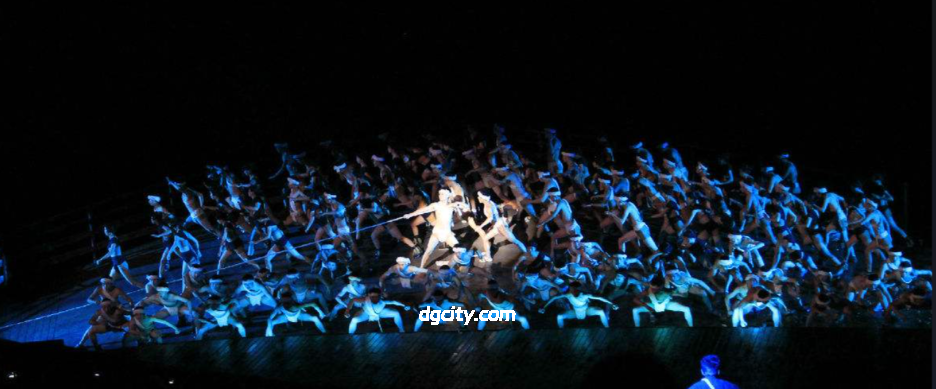
With the rapid development of modern shipping, motor ships have replaced traditional wooden boats, and the labor scene of tracking boats on the Chuanjiang River has gradually faded, putting Chuanjiang Haozi at risk of being lost. Thanks to the efforts of Chongqing’s intangible cultural heritage protection authorities and generations of inheritors, this ancient art has gained a new lease of life. Cao Guangyu, a national-level inheritor, has stuck to inheritance for more than 40 years, preserving the original singing and essence of Haozi completely. He has also innovated inheritance forms: organizing a veteran boatmen art troupe, taking Chuanjiang Haozi to international stages and winning gold awards in international choir competitions; building Chuanjiang Haozi research and study Museums with physical displays and scene restoration for immersive experiences; launching intangible cultural heritage campus programs to cultivate young inheritors; and creating the musical Song of the Great River, integrating original Haozi with modern art to adapt to contemporary aesthetics.
Today, Chuanjiang Haozi has evolved from a labor accompaniment to a highlight of Chongqing’s cultural tourism integration. Visitors can enjoy authentic Chuanjiang Haozi performances at Chaotianmen Wharf, Liangjiang Cruise Ships, Ciqikou Ancient Town and Changshou Lake Research Base in Chongqing, immersing themselves in the profound heritage of Yangtze River Culture. It is more than a form of music; it carries the spiritual core of unity, perseverance and courage to overcome difficulties, which aligns perfectly with Chongqing’s urban character and becomes an inseparable part of Bayu culture. For tourists exploring Chongqing’s local culture and researchers studying Yangtze River folk art, Chuanjiang Haozi is an unmissable cultural treasure, telling the past of Chongqing and witnessing the city’s development with its millennium-long melody, a timeless classic in Yangtze River culture.





暂无评论内容