




The Bashu region in Southwest China, covering Sichuan and Chongqing, boasts a profound folk Culture, and has nurtured three classic folk quyi (traditional Chinese vocal storytelling art) forms: Sichuan Bamboo Qin, Sichuan Qingyin and Jinqianban. All of them are listed as China National Intangible cultural heritage, representing the unique artistic charm and folk wisdom of Bashu people. Rooted in local life, these three art forms take Sichuan dialect as the expression carrier and bamboo instruments as the main accompaniment, with distinct styles and long historical heritage. This guide will comprehensively interpret their origins, performing characteristics, classic repertoires and cultural connotations, helping readers understand the essence of Bashu traditional art.

1. Sichuan Bamboo Qin: Timeless Ballad from Bamboo
Sichuan Bamboo Qin, also known as “Da Dao Tong” (singing with bamboo tube), is one of the oldest quyi forms in Sichuan, inscribed on the second batch of National Intangible cultural heritage List in 2008. It originated from Taoist ballads in the Tang and Song dynasties, initially performed by Taoists to spread moral teachings, and gradually evolved into a popular folk art in the Ming and Qing dynasties. Its name comes from the pure bamboo-made accompanying instruments, and it is praised as a timeless art that sings about joys and sorrows of the world.
The core accompanying instruments of Sichuan Bamboo Qin are simple but distinctive: a bamboo tube about 1 meter long and 7 centimeters in diameter, covered with pigskin at one end, producing a deep and distant tone; paired with a pair of long bamboo clappers with small bells, which make clear and crisp sounds when struck. Performers hold the bamboo tube diagonally, tap it with fingertips, and cooperate with the rhythm of clappers and bells to complete the storytelling alone, without the need for a band. Its singing is divided into two schools: Zhonghe Tune (eastern Sichuan style) is bold and vigorous, retaining the ancient charm; Yangqin Tune (western Sichuan style) is delicate and gentle. There are nine rhythms and thirteen tunes in total, and classic repertoires are mostly adapted from historical stories and folk legends, with elegant lyrics and slow rhythm, suitable for quiet appreciation.
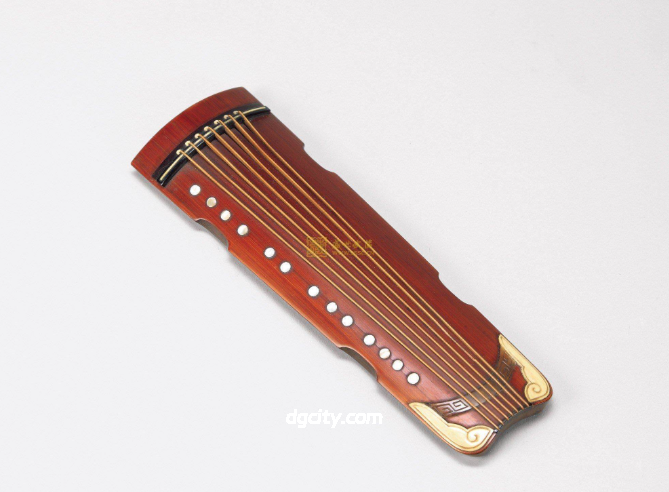
Today, Sichuan Bamboo Qin is still performed in teahouses, theaters and intangible cultural heritage exhibitions in Sichuan and Chongqing. Inheritors stick to traditional singing and integrate modern elements to adapt new works, making this ancient art known to more people.
2. Sichuan Qingyin: Melodious and Elegant Bashu Ballad
Sichuan Qingyin, formerly called “singing with lute” or “singing with moon guitar”, is a national intangible cultural heritage since 2008, with a history of more than 300 years dating back to the late Ming and early Qing dynasties. It integrates northern and southern folk songs, Bashu local ballads and minor tunes, featuring melodious, soft and clear singing, known as the “elegant school” of Sichuan quyi, in sharp contrast to the vigorous Bamboo Qin and lively Jinqianban.
Sichuan Qingyin is mainly performed in sitting or standing posture, accompanied by lute, moon guitar and wooden clappers. Performers hold clappers to control the rhythm, singing with true and false voices alternately, and the iconic “Haha Tune” is lively and distinctive. It has a rich system of over 100 tunes, divided into three categories: major tunes, minor tunes and short lyrics. Classic tunes include Yue Diao, Bei Gong Diao and Man Jiang Hong. The lyrics are close to daily life, covering landscape descriptions, love stories and folk tales, with classic works such as Little Kite Flying and Broken Bridge. The melody is beautiful and easy to understand, loved by people of all ages.
As a microcosm of Bashu folk Culture, Sichuan Qingyin carries the historical context of the integration of northern and southern quyi. With the promotion of campus inheritance and cultural tourism performances, this soft ballad has won the favor of more young people, becoming a bright symbol of Sichuan’s intangible cultural heritage.
3. Jinqianban: Lively and Free Folk Storytelling
Jinqianban, a lively and down-to-earth quyi form, originated in the Daoguang period of the Qing Dynasty and was listed as national intangible cultural heritage in 2011. It gets its name from the three bamboo clappers inlaid with ancient copper coins, also known as “Da Lian San”. It was the most common folk art in streets, markets and teahouses in old times, full of strong Bashu market atmosphere.
Jinqianban is a solo performance art: the performer holds two bamboo clappers with copper coins in the left hand and one in the right, striking out flexible rhythms, while speaking and singing alternately in Sichuan dialect. The clapping sound is crisp and bright, with variable rhythms to adapt to different story atmospheres. Its singing originates from Sichuan Opera high pitch, with eight basic tunes and five rhythms. The lyrics are catchy and straightforward, covering historical romances, folk legends and daily life stories, such as The Story of Wu Song and The Story of Yue Fei. Performers pay attention to body movements and facial expressions, occasionally integrating simple martial arts actions, making it highly ornamental.
Born in the folk and for the people, Jinqianban is a typical representative of Bashu market Culture. Nowadays, it is still vibrant in intangible cultural heritage inheritance and cultural tourism performances, with inheritors telling new era stories in dialect, passing on this down-to-earth art from generation to generation.
4. Cultural Value and Inheritance Significance
Sichuan Bamboo Qin, Sichuan Qingyin and Jinqianban, with different styles, together form a complete system of Sichuan traditional quyi. They take bamboo as the core instrument, highlighting the Bashu bamboo culture; take Sichuan dialect as the carrier, retaining the authentic local language features; take folk stories and daily life as the content, recording the spiritual world of Bashu people. As national intangible cultural heritages, they are not only artistic treasures, but also important materials for studying Bashu history, folk customs and culture.
At present, with the promotion of intangible cultural heritage protection, these three quyi forms have entered campuses, teahouses and scenic spots, attracting young audiences through innovative adaptation and cross-border integration. Listening to their unique melodies, people can immerse themselves in the unique charm of Bashu culture and feel the vitality of folk art spanning hundreds of years.






暂无评论内容