




1. Two Treasures of Bayu Folk Music: Cultural Status of Jielong and Jinqiao Wind and Percussion
In the folk music system of Chongqing’s Bayu region, Jielong Wind and Percussion Music and Jinqiao Wind and Percussion Music are two unparalleled national treasures, forming the core of Chongqing’s local folk wind and percussion art. Both were selected into the first batch of National Intangible cultural heritage Lists in 2006, serving as the most vivid sound carriers of Bayu regional Culture and iconic symbols of Chongqing’s native folk art. Sharing the same origin but featuring distinct styles, they have been inherited for hundreds of years, deeply rooted in rural folk customs, and accompanied local people in weddings, funerals, festivals, sacrificial rites and temple fairs. They retain the original ecological charm of ancient folk instrumental music and carry the simple life wisdom and sincere spiritual feelings of Bayu people, becoming a key window to understand Chongqing’s rural Culture and experience the local vitality. As unique Chongqing intangible cultural heritage folk music, they bear the distinctive features of Bayu mountains and rivers, and remain vibrant among folk people after generations of inheritance.
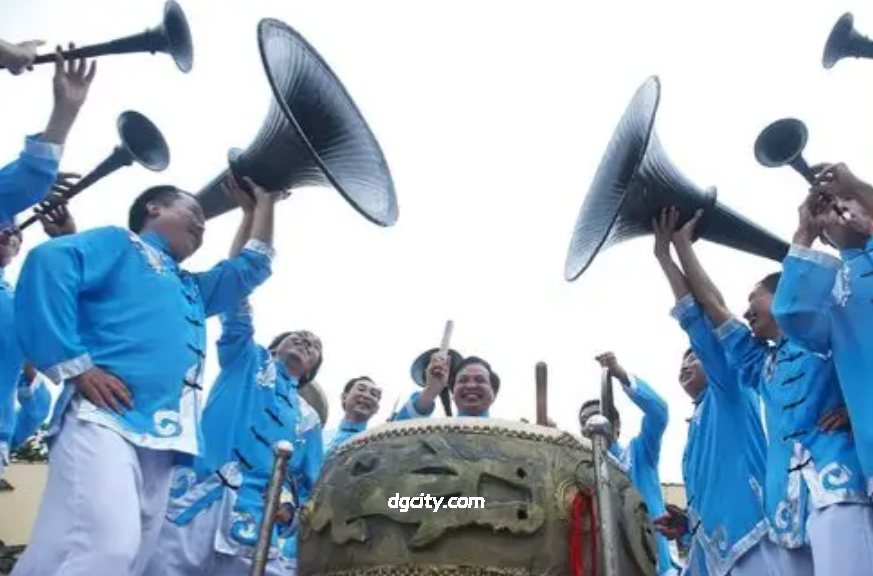
Jielong Wind and Percussion Music originates from Jielong Town, Banan District, Chongqing, formally formed in the late Ming and early Qing Dynasties with a history of more than 400 years. Nurtured by the quiet and vast rural environment of Banan, it features a simple, gentle and dignified style, integrating the solemnity of traditional ritual music and the warmth of folk life, representing the typical rural ritual music of Bayu. Jinqiao Wind and Percussion Music, formerly known as “Qingshan Wind and Percussion Music”, comes from Jinqiao Town, Wansheng Economic Development Zone, dating back to the late Song and early Yuan Dynasties with over 700 years of history. Renamed due to administrative regional adjustment, it is bold, sonorous and powerful, especially famous for its unique “Horse Wind School” performance, honored as a “living fossil of Bayu folk music”. The two national intangible cultural heritage wind and percussion music complement each other, laying a solid foundation for the inheritance of Chongqing folk wind and percussion art, and are deeply loved by local people and tourists.
2. Jielong Wind and Percussion Music: Gentle and Plain Bayu Rural Ritual Music
Jielong Wind and Percussion Music is the essence of Banan’s rural Culture, forming a unique artistic system after hundreds of years of inheritance and evolution. Unlike the complicated and gorgeous styles of other wind and percussion music, it emphasizes simplicity and purity, with calm melodies and steady rhythms, perfectly matching the tranquility and dignity of Bayu villages, truly a traditional ritual music “living among the people”.
Artistically, Chongqing Jielong Wind and Percussion Music has evolved into three core categories after hundreds of years of inheritance: wind and percussion ensemble, percussion-only music, and wind-percussion-singing combination, preserving 983 complete pieces of music with a huge and systematic repertoire. It covers four distinctive schools: Kunci, Yaxi Tune, Xiahe Tune and Qingshan Tune, each with unique melodies, playing techniques and applicable folk scenarios, which is the core of Jielong Wind and Percussion inheritance. The Kunci school is fluent and distant, integrating classic Sichuan Opera arias and classical folk ditties, a rare form among national wind and percussion music with extremely high cultural value; Yaxi Tune originates from the local Yaxi River Basin in Jielong, with slow rhythm and deep bass, mostly used for solemn funerals and ancestor worship ceremonies; Xiahe Tune absorbs the essence of folk music from surrounding areas, with flexible and catchy melodies, suitable for daily folk activities such as weddings, funerals and festival fairs; Qingshan Tune has a deep connection with Jinqiao Wind and Percussion Music, retaining the charm of ancient military music with both gentleness and vigor, connecting the cultural context of the two wind and percussion music.
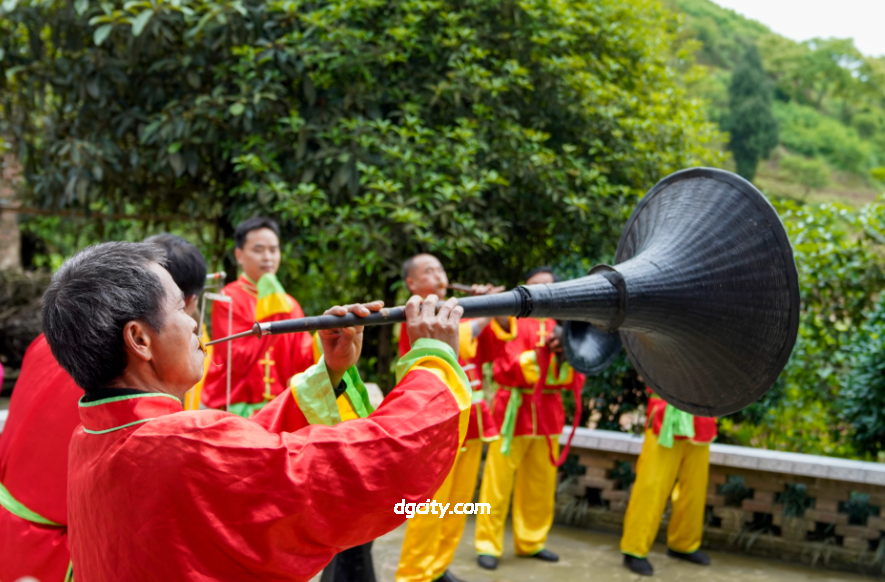
In terms of instrument configuration, it is divided into three types: wind instruments, percussion instruments and stringed/plucked instruments, with suona, hall drum, gong and cymbal as core instruments, assisted by erhu, flute and yueqin. In performance, suona acts as the main instrument and drum conducts the whole ensemble, with transparent range and clear layers, conveying sincere emotions through delicate melodies without exaggerated sound effects, showing the reserved and mellow character of Bayu folk culture. At present, the intangible cultural heritage inheritance is in good condition: Banan District has more than 260 formal Jielong music classes and nearly 2,000 professional performers, preserving 56 ancient instruments over 100 years old, 4 of which have a history of more than 400 years. With a complete inheritance system and emerging young inheritors, this ancient Chongqing intangible cultural heritage wind and percussion skill continues to regain vitality.
3. Jinqiao Wind and Percussion Music: Heroic Bayu Music of Galloping Horses
Jinqiao Wind and Percussion Music represents the peak of Wansheng’s folk culture. Over 700 years of inheritance, it has formed distinctive artistic features: accurate tones, steady beats, pure sound quality, bright timbre and strong penetrating power. Its most representative “Horse Wind School” performance vividly depicts the momentum of galloping horses, praised as “thousands of horses charging out of the mountains, heroic and unrestrained”, making it the most bold and vigorous school in Bayu wind and percussion music.
As an iconic Chongqing intangible cultural heritage wind and percussion music, Jinqiao Wind and Percussion Music has a complete and mature artistic system. Its repertoires are divided into four categories by folk use: festival celebration, daily life, funeral and folk legends, covering more than 1000 classic tune patterns including Huadeng, Daqupai, Chaopai and Gongtang. Masterpieces such as General’s Command, Steeds Rush Out of the Mountains and Qingshan River Echo are well-known and handed down from ancient times, and some classic tune patterns are included in Collection of Chinese National and Folk Instrumental Music, becoming precious treasures of national folk music. It boasts more than ten distinctive performance techniques such as pin da, diao da, san da, gan da, jia da, bamboo leaf blowing and whistling, with performers mastering superb breath control skills — senior artists can play continuously for five minutes without stopping, and this unique skill is a core highlight distinguishing Jinqiao Wind and Percussion from other similar art forms.
For instruments, Jinqiao Wind and Percussion Music mainly uses wind and percussion instruments, with suona divided into six specifications: haidi, ertai, santai, toutai, mangtai and extra-large suona to adapt to different performance scenarios and melody needs. The “Qingshan Mang” suona collected in Wansheng Museum, 4.5 meters long with a 1.8-meter diameter bell, is certified as the “world’s largest suona” by world records, becoming an iconic cultural symbol of Chongqing Jinqiao Wind and Percussion Music. Percussion instruments include more than ten types such as wax gourd drum, Sichuan gong, large cymbal and small cymbal, with deep and powerful tones. During performance, the high-pitched suona resembles horse neighs, rapid drumbeats sound like galloping horses, and the climax is magnificent and soul-stirring, with strong audio-visual impact. Nowadays, the intangible cultural heritage inheritance is advancing steadily: Jinqiao Town has more than 70 formal music classes and over 800 professional performers, with national inheritors sticking to inheritance and cultivating a large number of young artists, bringing this Chongqing intangible cultural heritage wind and percussion skill out of rural areas to national intangible cultural heritage exhibitions and cultural tourism events.
4. Inheritance and Experience: Cultural and Tourism Value of the Two Music Forms
Nowadays, Jielong and Jinqiao Wind and Percussion Music have gone beyond the category of pure folk music, becoming highly recognizable cultural tourism IPs and core intangible cultural heritage cards of Chongqing. Jielong Town in Banan is named “Hometown of Chinese Folk Wind and Percussion Music”, and Jinqiao Town in Wansheng is awarded “Hometown of Chinese Folk Culture and Art”. The two national intangible cultural heritage wind and percussion music are often active in various folk festivals, cultural exhibitions, rural fairs and scenic spot performances in Chongqing, providing both authentic traditional folk performances and innovative modern adaptations to meet the viewing needs of different groups.
For tourists and intangible cultural heritage enthusiasts, to deeply experience the unique charm of the two Chongqing wind and percussion music, you can visit Jielong Town Culture and Sports Service Center in Banan District, Wansheng District Cultural Center and Jinqiao Ancient Town to watch live rehearsals and special intangible cultural heritage performances, and feel the unique timbre of traditional instruments and performers’ superb skills up close. Meanwhile, both music forms offer special intangible cultural heritage inheritance classes to popularize performance skills and rural cultural knowledge among teenagers, passing on this precious Bayu intangible cultural heritage sound from generation to generation. Whether the gentle and simple Jielong Wind and Percussion Music or the bold and magnificent Jinqiao Wind and Percussion Music, they are irreplaceable cultural treasures of Chongqing, carrying profound rural memories and continuing the cultural roots of Bayu area, worthy of being listened to and protected by everyone.





暂无评论内容