




Chongqing Hot Pot is a culinary treasure born in Chongqing, a mountain city surrounded by rivers, and also a municipal-level intangible cultural heritage of Chongqing, ranking first among Chongqing’s top ten cultural symbols. It has long become the iconic business card of Chongqing. Originating in the late Qing Dynasty and early Republic of China along the Yangtze River, it was initially a simple meal created by dock workers and trackers to resist the humid and cold climate of Chongqing and quickly replenish physical strength. After a hundred years of inheritance and iteration, it has evolved from a riverside stall snack to an elegant restaurant delicacy, and from a street food to an intangible cultural heritage skill. It has formed a strict and complete traditional production process, and derived unique hot pot customs belonging to Chongqing, which embodies Chongqing people’s forthright and warm personality and the philosophy of life full of life vitality.
1. traditional Chongqing Hot Pot Making Skills: Ingenuity and Essence of Intangible cultural heritage
The authentic Chongqing Hot Pot takes the **beef tallow spicy broth base** as the core, adhering to the standard of “70% oil and 30% broth, oil wrapping broth and locking fragrance”. The whole production process is manually controlled, and every step from material selection, beef tallow refining, base stir-frying, soup simmering to pot mixing has strict standards, which is the core difference between authentic old hot pot and ordinary hot pot.
1.1 Selected Ingredients: The Foundation of Authentic Flavor
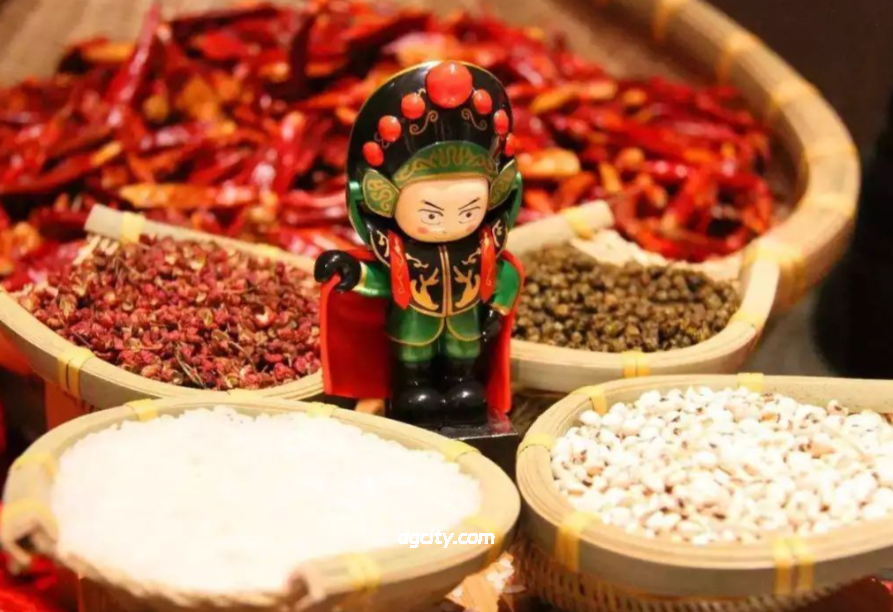
Authentic traditional hot pot has extremely strict requirements for ingredient origins: beef tallow must be selected from yellow cattle fat in Ganzi, with rich and mellow fat aroma; peppers are preferred from Guizhou Zilantou and Sichuan Erjingtiao, balancing spiciness and aroma; prickly ash is chosen from Hanyuan tribute prickly ash, with pure numbing fragrance and soft aftertaste; accessories include aged Pixian broad bean paste, fermented Yongchuan lobster sauce, more than 20 kinds of spices such as Yunnan amomum tsaoko and Guangxi star anise, plus old ginger, garlic, rock sugar, fermented glutinous rice rice wine and yellow rice wine. Each ingredient endows the base with layered flavors, and none can be omitted. The classic ingredients of traditional hot pot are “three treasures”: Mao Du (beef tripe), duck intestines and laryngeal cartilage, as well as beef liver, blood curd and other classic meat dishes. Ingredients are required to be fresh, tender, crisp and refreshing, retaining their original taste during handling.
1.2 Core Techniques: Manual Stir-Frying and Slow Simmering Soup
Beef tallow refining is the first step: cut yellow cattle fat into pieces, simmer over low heat, stir constantly to remove impurities and water, and the refined beef tallow has bright color and no fishy smell, which is the foundation of mellow base. Then comes the most critical base stir-frying process, which takes more than 3 hours over low heat with strict feeding order: first stir-fry ginger and garlic until fragrant, then add minced Pixian broad bean paste to make red oil, then add mashed chili in batches to dry water, add spices to release fragrance, finally pour in refined beef tallow, add rock sugar to neutralize spiciness, fermented glutinous rice to enhance freshness and yellow rice wine to remove fishy smell. Stir constantly throughout the process to prevent burning and bitterness, until the base is bright red, rich in aroma and thick in oil.
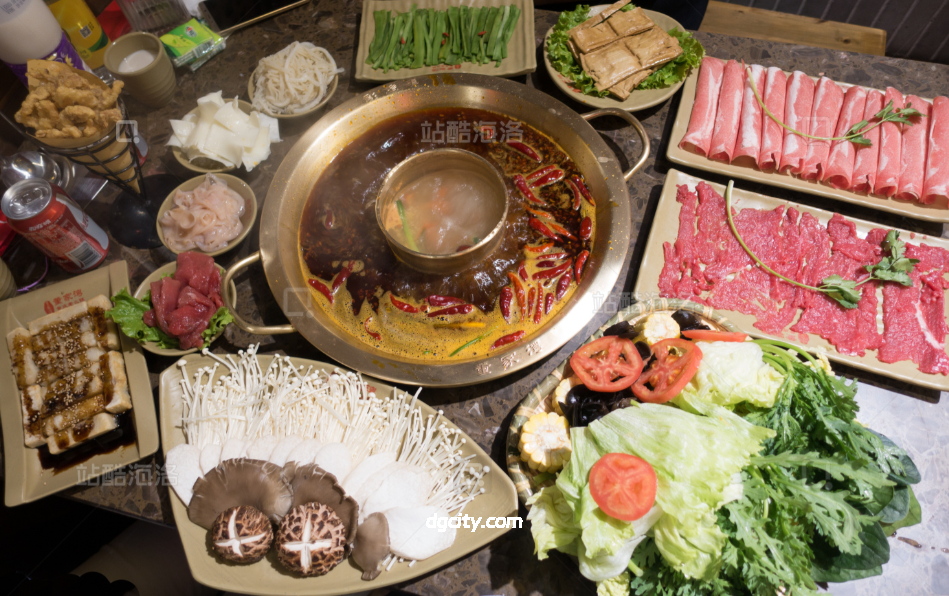
Soup simmering is equally important: blanch beef bones, pork femur bones and old hen over high heat, then simmer over low heat for more than 4 hours to make milky and fragrant base soup, skim off impurities and set aside. When mixing the pot, prepare according to the ratio of “70% base and 30% fresh soup”, add an appropriate amount of dry prickly ash to enhance numbing taste. After the base boils, the authentic Chongqing Hot Pot base is completed, which becomes more fragrant as it simmers, stays clear after long cooking, spicy but not dry, numbing but not bitter.
1.3 Ingredient Handling: Refined Rules for Retaining Taste
Traditional techniques have exclusive methods for ingredient handling: Mao Du is rubbed repeatedly with salt and white vinegar to remove black membrane and impurities, washed and cut into large pieces; duck intestines are rinsed repeatedly to remove grease and keep crisp; meat is cut into thin large slices, vegetables are torn by hand to retain fibers, avoiding knife cutting to damage taste. All ingredients are not marinated in advance, absorbing flavor from the base to retain the original fresh and tender taste to the greatest extent.
2. Authentic Chongqing Hot Pot Customs: Bayu Style in Life Vitality
Chongqing Hot Pot is more than just a delicacy, but a way of life. The hot pot customs inherited for a hundred years contain the market warmth and hospitality of Bayu area, which is an important part of Chongqing food Culture.
2.1 Eating Customs: Orderly and Standardized Blanching
Chongqing people follow the rule of “meat first, vegetables later; crisp first, tender later” when eating hot pot, and the blanching order cannot be disordered. First blanch crisp ingredients such as Mao Du, duck intestines and laryngeal cartilage, following the rule of “seven up and eight down”, blanch Mao Du for about 10 seconds until slightly curled for the best crisp taste; then add meat and offal, and finally cook potatoes, bean sprouts, vegetables and other vegetables, to avoid vegetables absorbing oil from the base and damaging the flavor. The old-fashioned hot pot uses a nine-grid pot, not to distinguish flavors, but to blanch ingredients in different areas: the middle grid has the strongest fire, suitable for crisp and tender ingredients; the four corner grids are simmered over slow fire, suitable for brain flowers, blood curd, crispy pork and other durable ingredients; the cross grid is cooked over medium fire for meat ingredients, which is convenient for picking up ingredients separately and avoiding flavor mixing.
2.2 Dipping Sauce Customs: Minimalist Matching for Relieving Spiciness
Authentic Chongqing Hot Pot dipping sauce rejects complex ingredients, the traditional standard is only sesame oil and mashed garlic, a few people add a little coriander or green onion. It is not recommended to add heavy seasonings such as sesame paste or fermented bean curd. Sesame oil can cool down and relieve spiciness, protect the stomach, and mashed garlic enhances fragrance, which just neutralizes the spicy and hot taste of hot pot, a long-standing rule for Chongqing people.
2.3 Social and Etiquette Customs: Lively and Unrestrained
Chongqing Hot Pot has a natural social attribute. It is the first choice for family reunions, friend gatherings and business banquets. Sitting around the boiling pot, the atmosphere is warm and relaxed. Chongqing people are unrestrained when eating hot pot, no complicated etiquette needed, eating and chatting freely, showing their forthright personality. According to traditional customs, add soup in time after the pot is served, adjust the fire halfway, and the host will not clear the table until guests stop eating, symbolizing reunion and prosperity. During festivals and housewarming, every Chongqing family eats hot pot, implying a prosperous and thriving life.
2.4 Regional Custom: Adapting to Climate and Lasting Vitality
Chongqing has a humid and rainy climate, and eating hot pot can dispel cold and dampness, which is the core reason why hot pot takes root in Chongqing. Whether in hot summer or cold winter, Chongqing hot pot restaurants are always full. People of all ages sit around a pot, eating delicious food and chatting, forming a unique scenery of the mountain city. Today, as an intangible cultural heritage project, Chongqing Hot Pot making skills are inherited from generation to generation. More and more young people learn traditional stir-frying skills, making this old craft rejuvenate in the new era, retaining traditional essence while adapting to modern tastes, and spreading Chongqing Hot Pot Culture to the whole country and the world.
The traditional making skills of Chongqing Hot Pot are the crystallization of Chongqing people’s dietary wisdom; hot pot customs are the vivid carrier of Bayu Culture. A boiling hot pot contains ingenuity skills and human feelings, hiding the soul of Chongqing, and is an indispensable bright treasure in Chinese food culture.







暂无评论内容