




Nestled in the hinterland of Longquan Mountain Urban Forest Park in the eastern suburbs of Chengdu, there lies an Ancient Town carrying thousands of years of Hakka memories – Luodai. Located only 20 kilometers away from downtown Chengdu, this town was founded during the Shu-Han period of the Three Kingdoms. After thousands of years of vicissitudes, it still perfectly preserves the life marks of the Hakka ancestors, known as the “First Hakka Town in the World” and “First Hakka Town in Western China”. It is a national AAAA-level tourist attraction, a famous historical and cultural town in China, and even a living Museum of Hakka Culture.
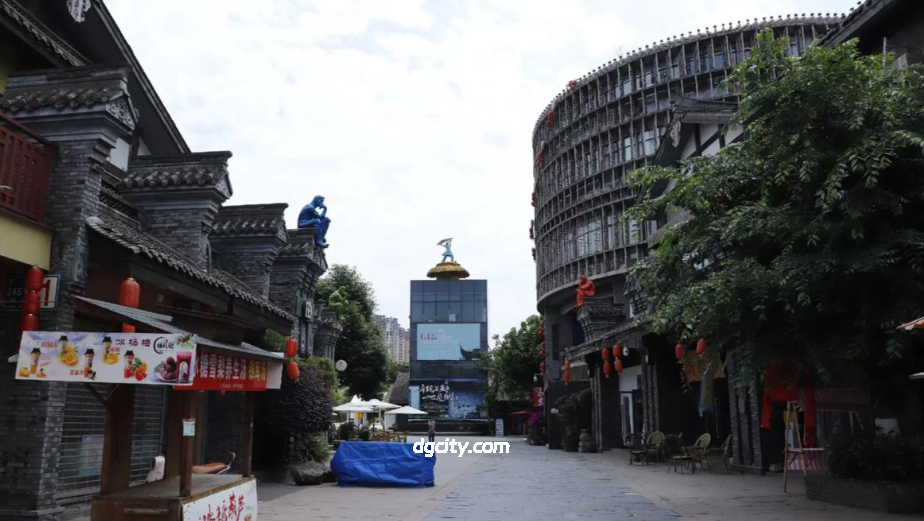
The name of Luodai hides an interesting legend. One says that the jade belt of Liu Adou, the later lord of Shu-Han, accidentally fell into the Octagonal Well beside the town, so it was named “Luodai” (meaning “fallen belt”), which later evolved into the current “Luodai”. Another says that the Luoshui River surrounds the town, shaped like a jade belt, hence the name. The third says that the old street winds for one kilometer, like a jade belt falling from the sky, so it was called “Luodai” and later evolved into the present name. No matter which saying it is, it adds a touch of legend to this Ancient Town. From being under the jurisdiction of Chengdu County in Shu Commandery in the Qin Dynasty, to being built as a town in the Three Kingdoms period, and then becoming an important settlement for the “Huguang Fill Sichuan” migration in the Ming and Qing dynasties, Luodai has witnessed the epic migration of the Hakka ancestors and precipitated profound historical heritage.
Hakka Culture is the soul of Luodai. More than 90% of the residents in the town are Hakkas, who still use the Hakka dialect and follow Hakka customs, making it the only town in the south of Northern China and the Yangtze River Basin that retains the Hakka dialect on a large scale. Entering Luodai, the first thing that catches the eye is the Qing Dynasty old street with the pattern of “one street and seven alleys”. The 1,200-meter-long bluestone road winds and turns, high in the east and low in the west, with shops lined on both sides. The wooden stilted buildings of the Ming and Qing dynasties are scattered, combining the simplicity of Sichuan folk houses with the exquisiteness of Gan, Min and Yue style buildings. The fire walls are uneven and undulating, like green dragons taking off, showing the ingenuity of ancient buildings.
The most representative cultural symbol of Luodai is the “Four Guild Halls” listed as national key cultural relics protection units – Guangdong Guild Hall, Jiangxi Guild Hall, Huguang Guild Hall and Chuanbei Guild Hall. They are known as the core carriers of the “Hometown of Hakka Guild Halls”, and each hides the homesickness of foreigners. Guangdong Guild Hall, also known as Nanhua Palace, was built in the 11th year of Qianlong in the Qing Dynasty, covering an area of more than 3,000 square meters. The gray plastic ridge decorations and the exquisite wood carving of two dragons playing with a pearl are exquisite. Climbing to the top of Yuewang Tower, you can overlook the panoramic view of the Ancient Town and Longquan Mountain. Jiangxi Guild Hall, also known as Wanshou Palace, has blue bricks and gray tiles, and high horse-head walls. There is an ancient opera stage inside, which was once a gathering place for Jiangxi “medicine gang” immigrants. Huguang Guild Hall, named Yuwang Palace, is dedicated to Dayu. The patio in the courtyard has no drainage but never accumulates water, which is known as “blessing of Dayu” among the people. Chuanbei Guild Hall is a rare pure Minnan style building in Sichuan, with colorful glazed tiles, dedicated to Mazu, the “goddess of the sea”. Although it is thousands of miles away from the sea, it hides the Hakka people’s nostalgia for their hometown.
In addition to ancient buildings, the intangible cultural heritage of Luodai is also brilliant. Hakka Water Dragon Festival, Hakka Wedding Customs and Hakka Dragon Dance are all provincial intangible cultural heritage. Among them, the Hakka Water Dragon Festival originated from the custom of praying for rain, and now it has become a lively folk event. Every year when it is held, dragon dancers and tourists splash water on each other, and the ancient town is full of laughter. Hakka wedding customs retain the essence of the six rituals in the Central Plains and integrate local characteristics. From matchmaking, engagement to wedding reception and worship, every link is full of ritual sense, showing the profoundness of Hakka Culture. In addition, the municipal intangible cultural heritage projects such as Luodai Xianghuang Craft and the legend of Adou Luodai add more cultural charm to the ancient town.
The food in Luodai is even a feast for the taste buds across five provinces. As the signature food of Luodai, Shangxin Liangfen (Sad Jelly) combines traditional Hakka flavor with Sichuan flavor. The vermicelli is smooth, the red oil is pungent, and people can’t stop eating even if they shed tears. Time-honored brands such as Liu’s Shangxin Liangfen and Granny Mao’s Liangfen are very popular. Smoked Oil-Tossed Goose is smoked with tea leaves and sugarcane peel and then tossed in oil, with crispy skin and tender meat, and a strong aroma. The products of Wang Ma’s Smoked Oil-Tossed Goose and Supply and Marketing Cooperative Restaurant are classic. Hakka Jiudou Wan (Nine-Bowl Feast), as an authentic Hakka banquet, has 8 meat dishes and 1 vegetarian dish, which is affordable and delicious. Braised Pork Belly with Preserved Mustard Greens and Pin Wan (a traditional Sichuan dish) are must-try delicacies. In addition, characteristic snacks such as stone-ground tofu pudding, Ye’er Ba (glutinous rice dumplings wrapped in bamboo leaves) and Steamed Pork with Glutinous Rice Flour allow every tourist to feel the Hakka flavor in the fireworks.
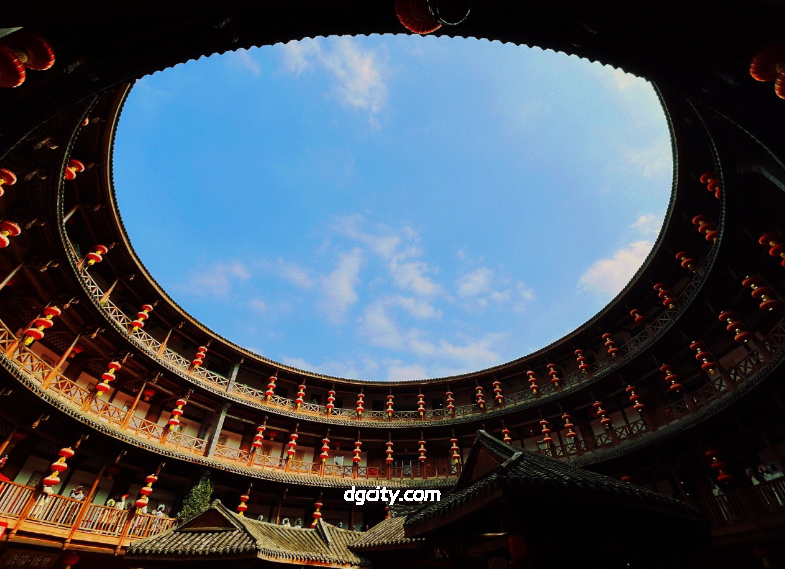
Today’s Luodai is no longer just a simple ancient town, but a cultural and tourism resort integrating cultural and creative industries, events and sports and leisure. As a “town within a town”, Boke Town gathers various architectural styles such as Min, Hui, Jin and Chuan. Among them, Boke Building, as the only large-scale Hakka Tulou in Southwest China, has a Hakka Culture Museum inside, which has become an important carrier for inheriting Hakka culture. China Art Warehouse has created an art life experience area, integrating art exhibitions, handicraft experiences and food culture, injecting young vitality into the ancient town. Luoshui Wetland Park is adjacent to the ancient town, with winding greenways and lush vegetation, which is an excellent place for a walk after meals.
From a post station on the ancient post road in the Three Kingdoms, to an immigrant town in the Ming and Qing dynasties, and then to a cultural and tourism resort today, Luodai Ancient Town has always adhered to the root of Hakka culture in thousands of years of time, perfectly integrating homesickness and fireworks. Here, every bluestone slab is engraved with the story of migration, every Hakka dialect carries the memory of the hometown, and every bite of food hides the taste of years. Entering Luodai is entering a history of Hakka migration, a cultural feast and a gentle journey of homesickness.



暂无评论内容