




Yunnan Province, located in the southwestern part of China, is renowned for its rich ethnic diversity and vibrant cultural traditions. With 25 officially recognized ethnic minority groups, each with their own unique customs, festivals, and ways of life, Yunnan offers an unparalleled cultural experience for both domestic and international travelers. This guide explores the fascinating folk customs and festivals across different regions of Yunnan, providing insights into the cultural tapestry that makes this province so special.
The cultural landscape of Yunnan is shaped by its diverse geography, ranging from snow-capped mountains to tropical rainforests, and its position along ancient trade routes that connected China with Southeast Asia. This unique combination has given rise to a multicultural society where traditions are preserved and celebrated with great enthusiasm. For travelers seeking authentic cultural experiences, Yunnan’s festivals and customs offer a window into the soul of China’s ethnic minorities.
One of the most famous festivals in Yunnan is the Water-Splashing Festival of the Dai people, celebrated as the Dai New Year in mid-April. This joyful celebration involves people splashing water on each other as a symbol of washing away misfortune from the previous year and welcoming good luck for the coming year. The festival takes place primarily in Xishuangbanna Dai Autonomous Prefecture, where visitors can witness not only the water-splashing activities but also dragon boat races, traditional dance performances, and the launching of homemade rockets called “Gaosheng.” The atmosphere is electric, with locals and tourists alike participating in the merriment, creating unforgettable memories of cultural exchange and celebration.
Another significant celebration is the Torch Festival of the Yi people, held on the 24th day of the sixth lunar month. This festival, celebrated across various Yi communities in Chuxiong, Honghe, and other regions, involves lighting torches to drive away evil spirits and pray for good harvests. The night sky illuminates with thousands of torches as communities gather for bonfire dances, traditional singing, and competitive events like bullfighting, wrestling, and horse racing. The Torch Festival represents the Yi people’s connection to fire as a symbol of purity, warmth, and protection, offering visitors a profound insight into their spiritual beliefs and community values.
In Dali, the Bai people celebrate the Third Month Fair, a tradition dating back over a thousand years. This month-long festival combines commerce, Culture, and entertainment, transforming the Ancient City into a bustling marketplace and cultural hub. Visitors can browse traditional handicrafts, sample local delicacies, and witness performances of Bai opera, folk singing, and horse racing. The fair represents the Bai people’s historical role as traders along the Tea Horse Road and their appreciation for both material exchange and cultural expression. For travelers, it’s an opportunity to experience living history and engage with a community that has maintained its traditions across centuries.
Lijiang, home to the Naxi people, hosts the Sanduo Festival in honor of Sanduo, the protector god of the Naxi. Celebrated on the eighth day of the second lunar month, this festival features traditional Dongba religious ceremonies, folk dances, and horse racing events. The Naxi’s unique Dongba Culture, with its pictographic writing system and shamanistic traditions, is showcased during this celebration, offering visitors a glimpse into one of the world’s few surviving pictographic writing traditions. The festival takes place against the backdrop of Jade Dragon Snow Mountain, creating a stunning natural setting for cultural immersion.
The Hani people of Yuanyang County celebrate their Terrace Culture Festival, honoring their remarkable agricultural achievement of carving rice terraces into mountain slopes over generations. This festival, typically held before the planting season, includes rituals to thank nature for its bounty and prayers for abundant harvests. Visitors can witness the spectacular sight of thousands of terraces filled with water, reflecting the sky like mirrors, while learning about the Hani’s sustainable farming practices and deep ecological wisdom. The festival demonstrates how cultural traditions can be intimately connected with environmental stewardship.
In the region around Lugu Lake, the Mosuo people maintain their unique matrilineal society and “walking marriage” customs. While not a festival in the traditional sense, the Mosuo culture offers a fascinating alternative social structure where women are heads of households and romantic relationships are based on mutual choice rather than formal marriage. Visitors can learn about this unique system through cultural performances, home visits, and conversations with community members, gaining insights into different possibilities for family and social organization.
Yunnan’s culinary traditions are as diverse as its ethnic groups, with each community offering distinctive flavors and dining customs. The Dai people are known for their sour and spicy dishes, often cooked in bamboo tubes or wrapped in banana leaves. The Bai people’s “Three Courses of Tea” ceremony presents tea as bitter, sweet, and回味 (aftertaste), symbolizing life’s journey from hardship to sweetness to reflection. The Yi people’s “Tuo Tuo Rou” (chunk meat) and the Naxi’s “Lijiang Baba” (flatbread) are just a few examples of how food becomes a medium for cultural expression and hospitality.
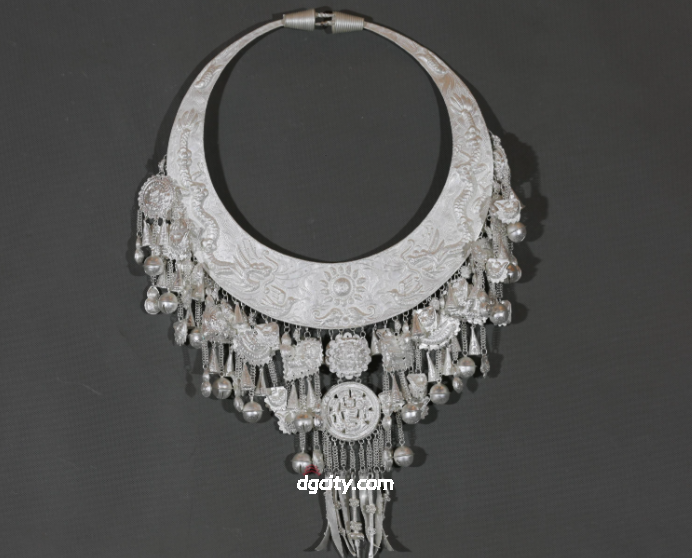
Traditional clothing in Yunnan varies dramatically between ethnic groups, each with distinctive colors, patterns, and styles that communicate identity, status, and cultural values. The Yi people’s black-based garments with bright Embroidery reflect their connection to the earth and appreciation for artistic detail. The Dai people’s light, elegant clothing suits the tropical climate of Xishuangbanna, while the Naxi women’s “Seven-Star Shawl” symbolizes their hardworking nature with embroidered stars representing early morning and late night labor. For visitors, observing and sometimes trying on these traditional outfits provides a tangible connection to Yunnan’s cultural heritage.
Beyond specific festivals, daily customs and rituals shape life across Yunnan’s communities. These include traditional building techniques like the Bai people’s “three rooms and one wall screen” courtyard houses, musical traditions like the Hani’s mouth harp and the Yi’s moon guitar, and craft skills like batik dyeing, silverwork, and wood carving. Many communities welcome visitors to participate in workshops or demonstrations, creating opportunities for hands-on cultural learning.
For travelers interested in experiencing Yunnan’s festivals and customs, timing visits to coincide with major celebrations offers the most immersive experience. However, even outside festival periods, cultural tourism initiatives in villages across Yunnan provide authentic encounters with local traditions. These might include homestays with ethnic families, participation in daily activities like farming or cooking, or attendance at smaller community events and rituals.
Responsible tourism practices are essential when engaging with Yunnan’s cultural heritage. Visitors should seek permission before photographing people, respect local customs and dress codes, support community-based tourism initiatives that benefit local residents, and approach cultural differences with curiosity rather than judgment. Many communities have established cultural preservation programs that use tourism revenue to maintain traditional arts, architecture, and practices.
Yunnan’s festivals and folk customs represent not just entertainment for visitors but living traditions that continue to shape identities and communities. They demonstrate how cultural diversity can thrive within a modern nation, offering models for cultural preservation and interethnic harmony. For international travelers, these experiences provide counterpoints to stereotypes about China, revealing the country’s incredible cultural complexity and the resilience of traditional ways of life.
As tourism continues to grow in Yunnan, balancing preservation with development remains a challenge. However, the increasing interest in authentic cultural experiences has created opportunities for communities to share their heritage on their own terms. From the water-splashing joy of the Dai New Year to the torch-lit nights of the Yi celebration, from the bustling markets of Dali to the terraced fields of the Hani, Yunnan’s festivals and customs invite visitors to participate in a living cultural mosaic that continues to evolve while honoring its past.
For those planning a visit, the best approach is to research specific festivals based on travel dates, connect with reputable local guides or community tourism organizations, and remain open to unexpected cultural encounters. Whether witnessing a grand festival or sharing a simple meal with a local family, the cultural richness of Yunnan promises to leave lasting impressions and deepen understanding of China’s diverse human landscape. In a world where globalization often homogenizes cultures, Yunnan stands as a testament to the beauty and vitality of cultural diversity, inviting all who visit to become temporary participants in its ongoing cultural story.




暂无评论内容