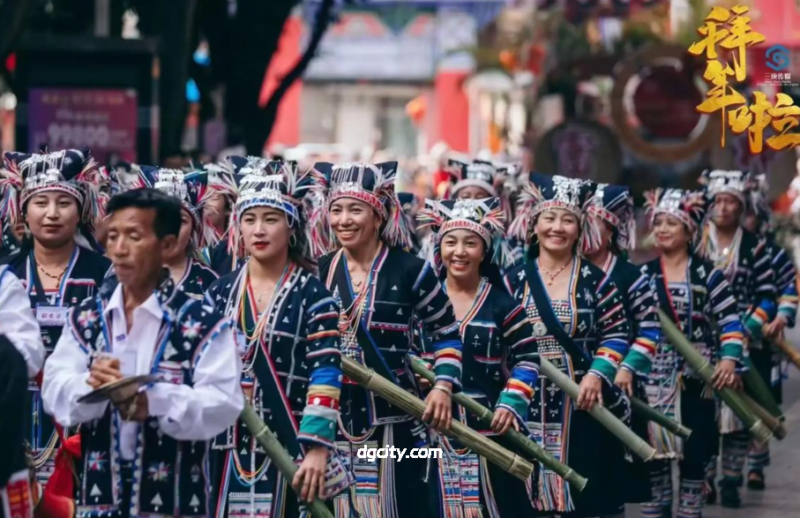





Yunnan’s cultural landscape is as diverse as its geography, with each region offering unique festivals and customs that reflect local ethnic compositions, historical influences, and environmental adaptations. This regional exploration guide takes travelers through Yunnan’s major areas, highlighting distinctive celebrations and traditions that make each destination special. From the tropical south to the Himalayan north, from ancient tea routes to modern cultural hubs, Yunnan’s regional diversity creates a mosaic of cultural experiences waiting to be discovered.
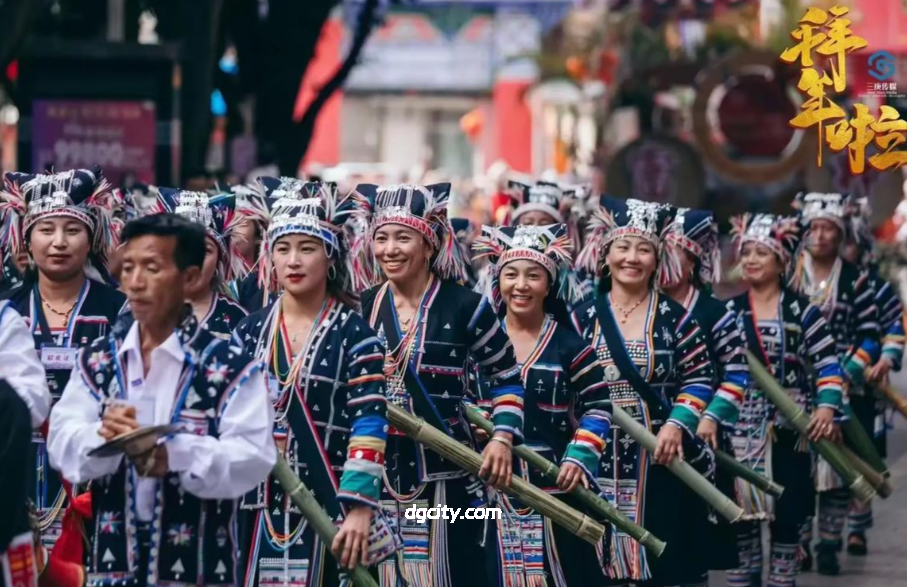
Xishuangbanna Dai Autonomous Prefecture, in southern Yunnan, represents the heart of Dai Culture and Theravada Buddhist traditions. The Water-Splashing Festival here is not just a single event but a series of celebrations that vary between communities. In Jinghong, the prefectural capital, the festival features grand parades with traditional Dai costumes, elephant-shaped floats, and performances of the Peacock Dance, which symbolizes beauty and grace. In Menghai County, visitors can experience more intimate village celebrations where ancient rituals are preserved, including offerings to village spirits and ceremonies at local temples. Beyond the Water-Splashing Festival, Xishuangbanna celebrates the Door-Closing and Door-Opening Festivals, marking the beginning and end of the Buddhist Lent period. During these times, devout Buddhists observe special religious practices, and communities gather for merit-making activities. The region’s tropical climate also influences agricultural festivals related to rice planting and harvesting, offering insights into how cultural traditions intersect with subsistence practices. For travelers, Xishuangbanna provides not just festival spectacles but opportunities to understand how Buddhism, animist beliefs, and agricultural cycles shape daily life and seasonal celebrations.
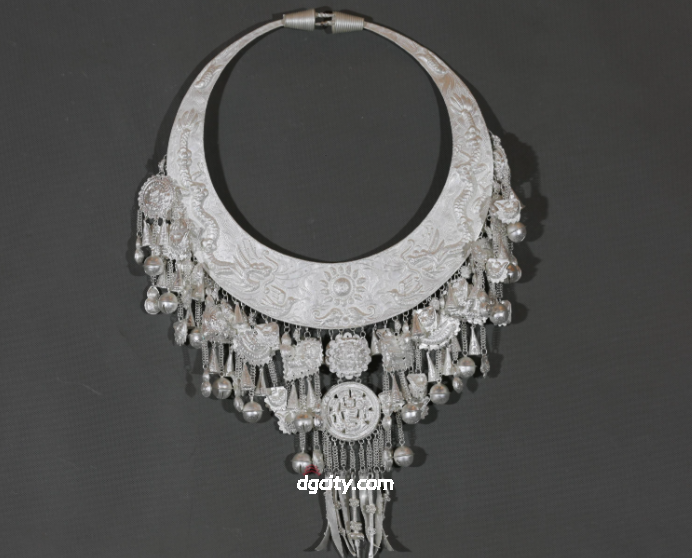
Dali Bai Autonomous Prefecture, centered around the Ancient City of Dali and Erhai Lake, showcases Bai Culture with its distinctive architecture, handicrafts, and festivals. The Third Month Fair is undoubtedly the most famous celebration, but regional variations exist across Bai communities. In Jianchuan County, the Shibaoshan Song Festival features traditional Bai love songs performed in natural amphitheaters among Buddhist grottoes, creating a unique blend of Natural Scenery, religious art, and musical tradition. In Eryuan County, the Benzhu (Local God) festivals honor village protector deities with processions, operas, and communal feasts that strengthen community bonds. Dali’s location along the historic Tea Horse Road has also influenced its festival Culture, with events celebrating trade history, horse caravans, and intercultural exchange. The region’s craft traditions are showcased during festivals through exhibitions of Tie-dye textiles, marble carvings, and silverwork, allowing visitors to appreciate not just performances but material culture. For those interested in sustainable tourism, Dali offers opportunities to participate in community-based festival tourism initiatives that support local artisans and cultural preservation efforts while providing authentic experiences.
Lijiang and the Naxi Autonomous County present a different cultural profile, dominated by Naxi culture with Tibetan and Han influences. While the Sanduo Festival is the major celebration, regional variations occur in different Naxi communities. In Baisha, the ancient Naxi capital, festivals incorporate traditional Dongba shamanistic rituals rarely seen in urban Lijiang. In Shuhe, a well-preserved Ancient Town, festivals emphasize the Naxi’s historical role as traders, with reenactments of caravan preparations and celebrations of successful trading expeditions. The Jade Dragon Snow Mountain provides not just a backdrop but a sacred presence in Naxi festivals, with ceremonies acknowledging the mountain as a protector deity. Beyond the Naxi, Lijiang region includes pockets of Yi, Lisu, and Pumi communities, each with their own festival calendars. The Yi communities around Lijiang celebrate the Torch Festival with distinctive local variations, including unique costume displays and musical traditions. For travelers, the Lijiang region offers a chance to experience how different ethnic groups maintain distinct traditions while sharing geographical space, with some festivals even featuring interethnic participation and exchange.
Honghe Hani and Yi Autonomous Prefecture, particularly the Yuanyang rice terraces area, showcases how agricultural landscapes shape cultural traditions. The Hani people’s festivals are intimately connected to the rice cultivation cycle, with ceremonies for each stage from field preparation to harvest. The “Angmatu” festival, celebrated before planting, involves rituals to appease the spirits of water and earth, ensuring successful cultivation. The “Kuzhazha” festival, after harvest, gives thanks for the bounty and includes feasting, singing, and dancing. What makes Honghe special is how these festivals are integrated with the spectacular terrace landscape, creating visual and cultural experiences unmatched elsewhere. The Yi communities in the same region celebrate the Torch Festival with local characteristics, including special torch-making techniques and fire-related rituals specific to their sub-groups. Honghe also includes the Jianshui Confucian Temple, where Han Chinese traditions are celebrated with ceremonies honoring Confucius, demonstrating the region’s cultural diversity. For photographers and cultural enthusiasts, Honghe offers the rare combination of breathtaking Natural Scenery and living cultural traditions, with festivals timed to agricultural seasons rather than fixed calendar dates.
Dehong Dai and Jingpo Autonomous Prefecture, bordering Myanmar, presents a blend of Dai, Jingpo, and cross-border cultural influences. The Water-Splashing Festival here incorporates elements from neighboring Myanmar, with some communities using traditional Myanmar-style water vessels and musical instruments. The Jingpo people’s Munao Festival, celebrating harvest and community unity, features thousands of dancers moving in synchronized patterns to the rhythm of giant drums, creating one of Yunnan’s most visually striking festival experiences. Dehong’s border location also means festivals often include participants from both sides of the border, creating truly transnational celebrations. The region’s tropical climate supports festivals related to tropical fruit harvests, with events celebrating mangoes, pineapples, and other local produce. For travelers interested in border cultures and transnational ethnic communities, Dehong offers unique insights into how political boundaries intersect with cultural continuities, with festivals serving as occasions for maintaining cross-border kinship and cultural ties.
Nujiang Lisu Autonomous Prefecture, in the dramatic gorge country of northwest Yunnan, presents Lisu culture against a backdrop of some of Asia’s most spectacular geography. The “Kuoshi” (New Year) Festival features traditional Lisu costumes with elaborate beadwork and silver ornaments, circle dances accompanied by the four-stringed “Qiben” instrument, and displays of crossbow skills that reflect the Lisu’s hunting heritage. The “Shangdao” (Knife-Pole) Festival, where performers climb poles studded with sharp knives barefoot, demonstrates physical courage and spiritual protection beliefs unique to this region. Nujiang’s remote location has helped preserve traditions that have disappeared or changed in more accessible areas, offering visitors particularly authentic experiences. The region’s festivals also reflect adaptation to mountain environments, with celebrations related to alpine agriculture, river resources, and seasonal migrations. For adventure travelers and those seeking less-commercialized cultural experiences, Nujiang provides festivals that feel genuinely rooted in community life rather than staged for tourism.
Kunming and central Yunnan, while more urbanized and Han-dominated, still offer ethnic festival experiences through cultural villages, Museums, and scheduled performances. The Yunnan Nationalities Village regularly hosts festival celebrations from various ethnic groups, allowing visitors to experience multiple traditions in one location. While less authentic than village-based festivals, these presentations provide accessible introductions to Yunnan’s cultural diversity, especially for travelers with limited time. Kunming also serves as a hub for reaching festival destinations throughout the province, with transportation connections to most major celebration sites. The city itself celebrates traditional Han Chinese festivals like Spring Festival and Mid-Autumn Festival with local characteristics, including special foods, temple fairs, and lantern displays. For travelers using Kunming as a base, timing visits to coincide with festivals in surrounding regions while enjoying the city’s amenities offers a balanced approach to experiencing Yunnan’s festival diversity.
Practical considerations for regional festival travel in Yunnan include understanding transportation challenges, accommodation limitations in remote areas, and the importance of local guides for cultural interpretation. Many festivals occur in locations with limited tourist infrastructure, requiring advance planning and flexibility. The best approach is often to focus on one or two regions during a trip rather than attempting to cover multiple festivals across distant locations. Engaging with reputable local tour operators specializing in cultural tourism can enhance experiences while ensuring respectful engagement with host communities. Photography enthusiasts should research festival schedules and locations to capture the most photogenic moments while respecting participants’ privacy and cultural protocols.
Yunnan’s regional festival diversity offers something for every type of cultural traveler. Whether seeking the spectacular visuals of the Torch Festival, the participatory joy of the Water-Splashing Festival, the historical depth of the Third Month Fair, or the intimate community feeling of village-based celebrations, Yunnan’s regions provide varied contexts and experiences. This regional approach to festival tourism not only distributes economic benefits more widely but also encourages deeper engagement with specific cultural contexts rather than superficial sampling of highlights. As Yunnan continues to develop its tourism infrastructure while preserving cultural heritage, regional festival tourism represents a sustainable model that values authenticity, community benefit, and traveler education. For those willing to venture beyond major tourist centers, Yunnan’s regional festivals offer rich rewards in cultural understanding, personal connection, and unforgettable memories of China’s most culturally diverse province.





暂无评论内容