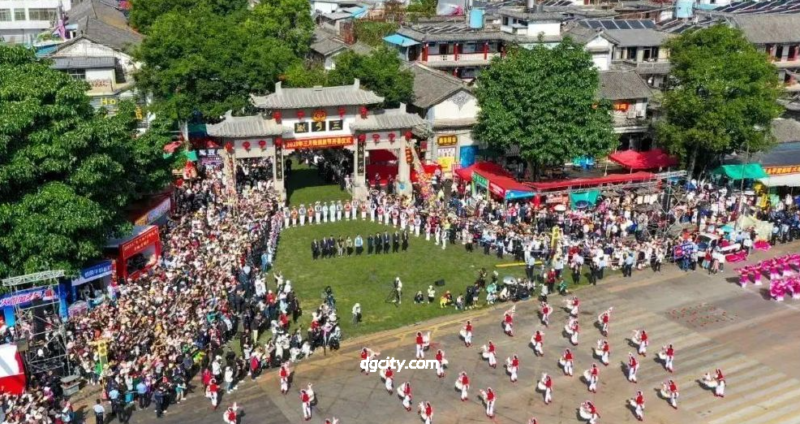





Dali, nestled between the Cangshan Mountains and Erhai Lake in western Yunnan, stands as the cultural Heartland of the Bai people and one of Yunnan’s most iconic destinations. With a history stretching back to the Nanzhao and Dali Kingdoms, this region has developed rich festival traditions that blend Bai ethnic Culture with influences from Buddhism, Confucianism, and local animist beliefs. Dali’s festivals are not merely celebrations but living expressions of a cultural identity that has endured for over a thousand years, offering visitors profound insights into one of China’s most distinctive ethnic groups.
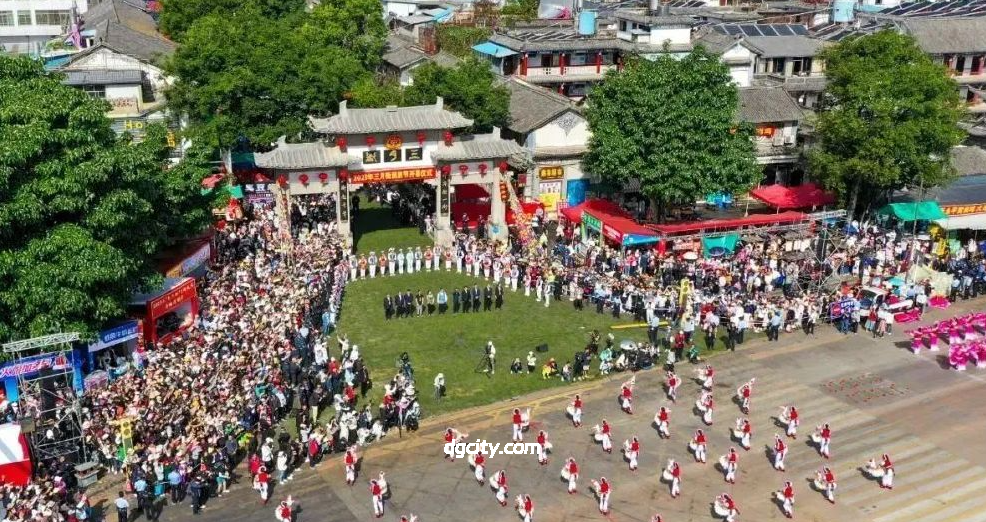
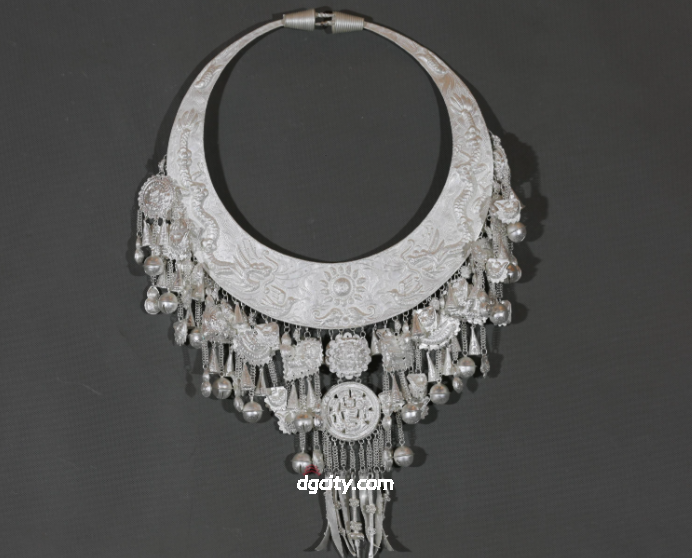
The Third Month Fair (Sanyue Jie) represents Dali’s most famous festival, with origins dating back to the Tang Dynasty. Held annually from the 15th to the 21st day of the third lunar month (usually April), this week-long celebration transforms Dali Ancient City into a vibrant hub of commerce, Culture, and community. Historically, the fair served as a major trading event along the Tea Horse Road, where merchants from Tibet, Sichuan, and Southeast Asia exchanged goods. Today, while commercial aspects remain important, the festival has evolved into a comprehensive cultural showcase. Visitors can witness traditional Bai opera performances at the Dali Cultural Theater, where stories from Bai mythology and history come to life through distinctive singing styles and elaborate costumes. The fair’s horse racing events at the Dali Horse Racing Ground demonstrate the Bai people’s historical connection to equestrian Culture, with competitions ranging from traditional races to acrobatic displays. Artisan demonstrations throughout the ancient city allow visitors to observe and sometimes participate in traditional crafts like Tie-dye textile production, marble carving, and silver jewelry making, all central to Bai material culture.
Beyond the Third Month Fair, Dali’s festival calendar includes celebrations tied to the agricultural cycle and religious observances. The Torch Festival, while more commonly associated with the Yi people, is also celebrated by Bai communities with local variations. In Dali’s Bai villages, torch ceremonies emphasize purification and protection, with families creating elaborate torches decorated with flowers and fruits before lighting them at dusk. The resulting spectacle of countless fires reflected in Erhai Lake creates magical nighttime scenes. The Benzhu (Local God) festivals occur throughout the year in different Bai villages, each honoring its particular protector deity. These village-based celebrations feature processions carrying deity statues, communal feasts, and operas performed specifically for the gods. For visitors, attending a Benzhu festival offers an intimate glimpse into village life and the localized nature of Bai religious practice. The rituals, foods, and social interactions during these events reveal how spiritual beliefs remain integrated with daily existence in Bai communities.
Dali’s Buddhist heritage shines during festivals at its many temples and monasteries. The Guanyin Festival, celebrated at the Three Pagodas of Chongsheng Temple, honors the Buddhist goddess of mercy with ceremonies, sutra chanting, and pilgrimages. The festival’s highlight is the evening lantern release on Erhai Lake, where thousands of floating lanterns create a breathtaking display symbolizing the illumination of wisdom. At Jizu Mountain, a sacred Buddhist site near Dali, annual pilgrimage festivals attract devotees from across Yunnan and neighboring provinces. These multi-day events combine religious observance with cultural performances, creating a vibrant atmosphere of spiritual devotion and community gathering. For travelers interested in Buddhist culture, timing a visit to coincide with these festivals provides opportunities to witness living religious traditions in spectacular settings.
The Bai people’s relationship with nature finds expression in festivals celebrating Erhai Lake and the Cangshan Mountains. The Erhai Lake Fishing Festival demonstrates traditional fishing techniques using cormorants and nets, while also addressing contemporary concerns about ecological preservation. The Cangshan Mountain Flower Festival, during spring bloom season, features hikes to alpine meadows filled with wildflowers, photography contests, and cultural events emphasizing environmental appreciation. These nature-oriented festivals show how Bai culture maintains deep connections to the local landscape, viewing mountains and waters not just as resources but as sacred entities deserving respect and gratitude.
Dali’s culinary traditions take center stage during food-focused festivals. The Dali Food Festival, usually held in autumn, showcases Bai specialties like rushan (milk fan), erkuai (rice cakes), and xizhou baba (fried bread with sweet or savory fillings). Cooking demonstrations, tasting sessions, and competitions highlight the sophistication of Bai cuisine, which balances flavors from Yunnan’s diverse ingredients with distinctive preparation methods. The festival also features tea ceremonies emphasizing Dali’s position along the historic tea trade routes, with tastings of local varieties and demonstrations of traditional tea preparation techniques.
For visitors seeking hands-on cultural experiences, Dali offers numerous opportunities during festival periods. Many guesthouses and cultural centers in Dali Ancient City and surrounding villages organize workshops where travelers can learn Bai crafts like Tie-dyeing, participate in cooking classes focused on festival foods, or join dance and music sessions teaching traditional Bai performances. These interactive experiences, often led by local artisans and cultural practitioners, provide deeper engagement than passive observation. The Dali International Photography Festival, while a modern event, includes exhibitions and workshops on documenting traditional festivals, offering tools for visitors to respectfully capture and share their experiences.
Practical considerations for experiencing Dali’s festivals include understanding seasonal variations, accommodation planning during peak festival periods, and transportation between different celebration sites. The Third Month Fair attracts large crowds, requiring advance booking for accommodation and events. Smaller village festivals may have limited tourist infrastructure but offer more authentic experiences. Engaging local guides familiar with Bai culture can enhance understanding of festival rituals and social contexts. Dali’s well-developed tourism industry means services are generally available in English and other languages, though deeper cultural interpretation may require specialized guides.
Dali’s festivals represent more than tourist attractions; they are vital mechanisms for cultural transmission, community cohesion, and economic sustenance. For the Bai people, these celebrations reinforce ethnic identity, pass traditions to younger generations, and maintain social networks. For visitors, they offer windows into a culture that has successfully preserved its distinctiveness while adapting to changing circumstances. The balance between authenticity and accessibility in Dali’s festival tourism provides a model for cultural sustainability, where economic benefits from tourism support traditional practices rather than displacing them.
Whether marveling at the scale of the Third Month Fair, participating in a village torch ceremony, learning traditional crafts, or simply savoring festival foods against the backdrop of Cangshan Mountains and Erhai Lake, Dali’s festivals create lasting memories and meaningful connections. They demonstrate how cultural heritage, when celebrated with genuine community participation and respectful visitor engagement, can enrich both hosts and guests. For travelers seeking to understand Yunnan’s ethnic diversity, Dali’s festival traditions offer an essential chapter in the story of China’s cultural complexity.




暂无评论内容