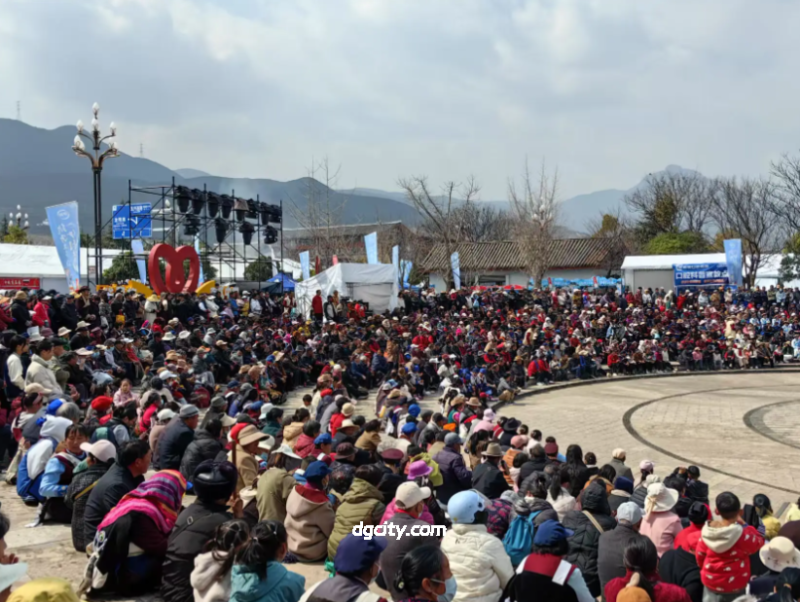





Lijiang, a UNESCO World Heritage site in northwest Yunnan, serves as the cultural capital of the Naxi people and a gateway to some of China’s most spectacular natural landscapes. With the Jade Dragon Snow Mountain as its backdrop and ancient waterways weaving through its historic districts, Lijiang provides a stunning setting for experiencing Naxi festival traditions. The Naxi, with their unique Dongba Culture featuring the world’s last living pictographic writing system, have developed festival practices that blend indigenous animist beliefs, Tibetan Buddhist influences, and elements of Han Chinese tradition. This guide explores Lijiang’s festival landscape, offering insights into how Naxi cultural identity finds expression through seasonal celebrations and ritual observances.
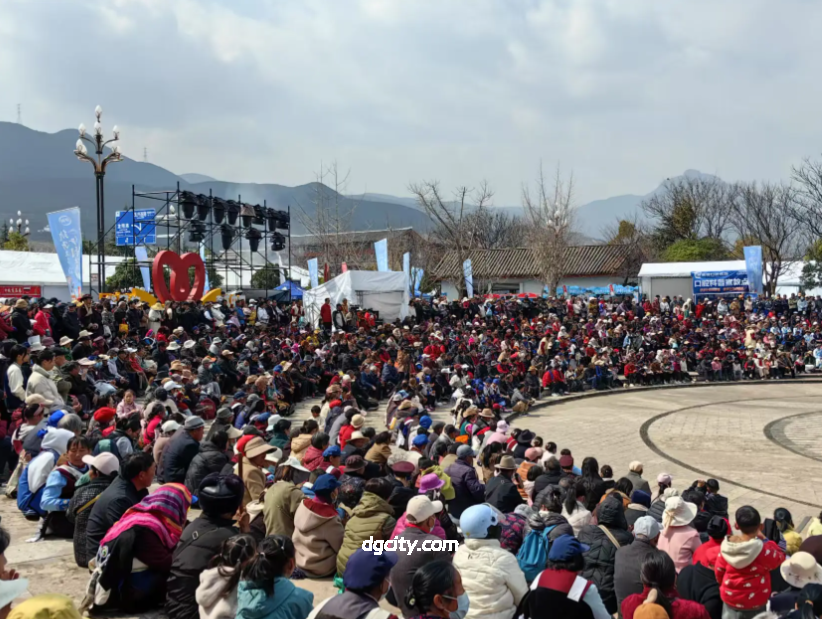
The Sanduo Festival stands as the most important celebration in the Naxi calendar, honoring Sanduo, the protector god of the Naxi people. Held on the eighth day of the second lunar month (usually March), this festival combines religious ceremonies, cultural performances, and community gatherings. The main celebration occurs at the Sanduo Temple in Baisha, the ancient Naxi capital north of Lijiang. Here, Dongba priests conduct elaborate rituals using ancient pictographic scriptures, sacrificing livestock, and performing dances to invoke Sanduo’s protection. The ceremonies, conducted in the Naxi language with Dongba pictographs, represent one of the world’s few surviving shamanistic traditions using a complete pictographic writing system. For visitors, witnessing these rituals offers a rare glimpse into pre-literate religious practices that have survived into the modern era. Beyond the temple ceremonies, the festival includes horse racing at the foot of Jade Dragon Snow Mountain, traditional Naxi music performances in Lijiang’s Ancient Town squares, and communal feasts featuring Naxi specialties. The festival’s timing in early spring connects it to agricultural cycles, with prayers for favorable growing seasons and protection from natural disasters.
Lijiang’s festival calendar extends beyond the Sanduo Festival to include celebrations tied to the Naxi’s complex religious syncretism. The Naxi New Year, celebrated according to the traditional Naxi calendar, features family reunions, ancestor worship, and Dongba ceremonies to ensure household prosperity. Unlike the Chinese Spring Festival with which it sometimes coincides, the Naxi New Year emphasizes connections to nature spirits and clan ancestors, with rituals conducted at home altars and village shrines. The Torch Festival, adopted from neighboring Yi communities but adapted with Naxi characteristics, features torch-lit processions through Lijiang’s ancient streets, fire-jumping ceremonies symbolizing purification, and night markets illuminated by countless flames. What makes Lijiang’s Torch Festival distinctive is its setting within the World Heritage Ancient Town, where traditional architecture provides a historic backdrop for the fiery celebrations.
The Naxi’s Dongba Culture finds particular expression during the Dongba Festival, dedicated to the preservation and transmission of Dongba religious traditions. This festival, usually held in autumn, brings together Dongba priests from across Naxi regions for rituals, scripture readings, and initiations of new priests. Visitors can observe ceremonies at the Dongba Culture Museum or in village settings, witnessing the use of ancient pictographic texts in living religious practice. The festival also includes exhibitions of Dongba art, demonstrations of pictographic writing, and performances of Dongba dance and music. For those interested in anthropology or linguistics, the Dongba Festival offers unparalleled access to a writing system and religious tradition that represents a cultural bridge between pictographic and phonetic literacy.
Lijiang’s natural environment plays a central role in many festivals. The Jade Dragon Snow Mountain Festival celebrates the sacred mountain that dominates Lijiang’s skyline, with ceremonies acknowledging the mountain as a deity and protector. These rituals, conducted at various altitudes on the mountain, combine Naxi animist beliefs with Tibetan Buddhist influences, reflecting the region’s position at the intersection of different cultural spheres. The festival includes pilgrimages to mountain temples, offerings at sacred sites, and cultural performances that tell the mountain’s mythological stories. Similarly, water-related festivals along the ancient waterways of Lijiang Ancient Town give thanks for the pure snowmelt that sustains the city, with ceremonies at water sources, lantern floating on canals, and rituals honoring water spirits. These nature-oriented festivals demonstrate the Naxi’s deep ecological awareness and their view of the natural world as animated by spiritual forces.
Music forms an essential component of Lijiang’s festival Culture, particularly through the Naxi Ancient Music performances that have gained international recognition. During festivals, these performances take on special significance, with expanded repertoires that include music specifically composed for ritual occasions. The Naxi Ancient Music Orchestra, comprising mostly elderly musicians who have preserved musical traditions dating back to the Tang and Song dynasties, performs in Lijiang’s historic venues during major festivals. The music, played on traditional instruments like the pipa (lute), erhu (two-stringed fiddle), and dizi (bamboo flute), represents a living archive of Chinese musical history. Festival performances often include explanations of the music’s cultural significance, helping visitors appreciate how sound serves as a medium for cultural memory and expression.
Lijiang’s position as a historic trading center along the Tea Horse Road influences its festival traditions through events celebrating commercial heritage. The Tea Horse Road Festival features reenactments of caravan preparations, demonstrations of tea processing techniques, and cultural exchanges between representatives of different ethnic groups who historically participated in the trade. The festival’s highlight is a symbolic caravan journey from Lijiang to nearby trading posts, with participants in traditional dress carrying tea bricks and other goods. These events not only commemorate historical economic networks but also reinforce Lijiang’s identity as a place of intercultural exchange, where Naxi, Tibetan, Han, and other cultures met and influenced each other.
For visitors seeking interactive festival experiences, Lijiang offers numerous opportunities during celebration periods. Many guesthouses and cultural centers in the ancient town organize workshops where travelers can learn basic Dongba pictographic writing, try traditional Naxi musical instruments, or participate in cooking classes focused on festival foods. The Lijiang Naxi Culture Research Center often holds special programs during festivals, including lectures by cultural experts, film screenings about Naxi traditions, and guided visits to festival sites with interpretation. These educational opportunities help visitors move beyond superficial observation to deeper understanding of Naxi cultural concepts and values.
Practical considerations for experiencing Lijiang’s festivals include understanding the dual nature of celebrations in both authentic village settings and more accessible ancient town locations. While Lijiang Ancient Town offers convenient access to festival events, some of the most meaningful experiences occur in surrounding Naxi villages like Baisha, Shuhe, and Yuhu. Transportation to these villages is readily available, but visiting during festivals may require advance planning due to increased demand. Accommodation in Lijiang ranges from luxury hotels to traditional Naxi courtyard guesthouses, with many properties offering special festival packages that include event tickets and cultural activities. The best times to visit for festival experiences are spring (Sanduo Festival) and autumn (Dongba Festival and harvest celebrations), though smaller events occur throughout the year.
Lijiang’s festivals face challenges common to many cultural tourism destinations, including balancing authenticity with commercial appeal and managing visitor impacts on traditional practices. However, community-based tourism initiatives have emerged that direct economic benefits to Naxi cultural practitioners and support traditional art forms. Visitors can support these efforts by choosing locally owned accommodations, hiring Naxi guides, purchasing authentic crafts directly from artisans, and participating in cultural experiences that compensate practitioners fairly. Such responsible tourism approaches help ensure that festival traditions remain viable for future generations while providing meaningful experiences for contemporary visitors.
Whether attending the solemn rituals of the Sanduo Festival, marveling at Dongba pictographic ceremonies, enjoying ancient music performances, or simply absorbing the festival atmosphere in Lijiang’s historic streets, visitors encounter a culture that has maintained remarkable continuity amid rapid social change. Lijiang’s festivals represent not just entertainment for tourists but vital mechanisms for cultural transmission, community cohesion, and identity affirmation. They offer windows into a worldview where human life remains intimately connected to natural forces, ancestral spirits, and artistic expression. For travelers seeking to understand China’s cultural diversity beyond mainstream Han traditions, Lijiang’s festival landscape provides essential insights into how minority cultures preserve and revitalize their heritage in the modern world.





暂无评论内容