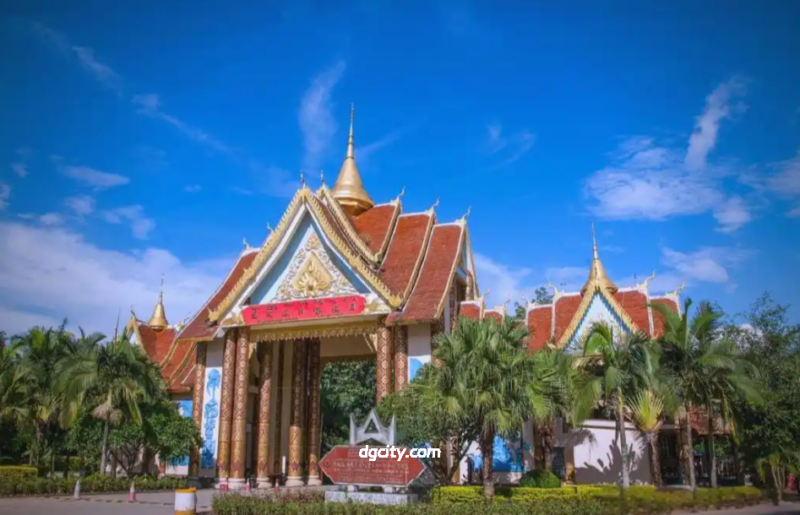





Xishuangbanna Dai Autonomous Prefecture, in southern Yunnan bordering Laos and Myanmar, represents China’s most concentrated region of Dai Culture and Theravada Buddhist tradition. Known for its tropical climate, rainforest ecosystems, and distinctive stilt-house architecture, Xishuangbanna offers festival experiences that blend religious devotion, agricultural cycles, and community celebration in uniquely Southeast Asian forms. The Dai people, ethnically and linguistically related to the Thai and Lao, have maintained festival traditions that reflect their historical connections to broader Southeast Asian cultural spheres while developing local characteristics shaped by their Chinese context. This guide explores Xishuangbanna’s festival landscape, providing insights into how Dai cultural identity finds expression through water, Buddhism, and nature-oriented celebrations.
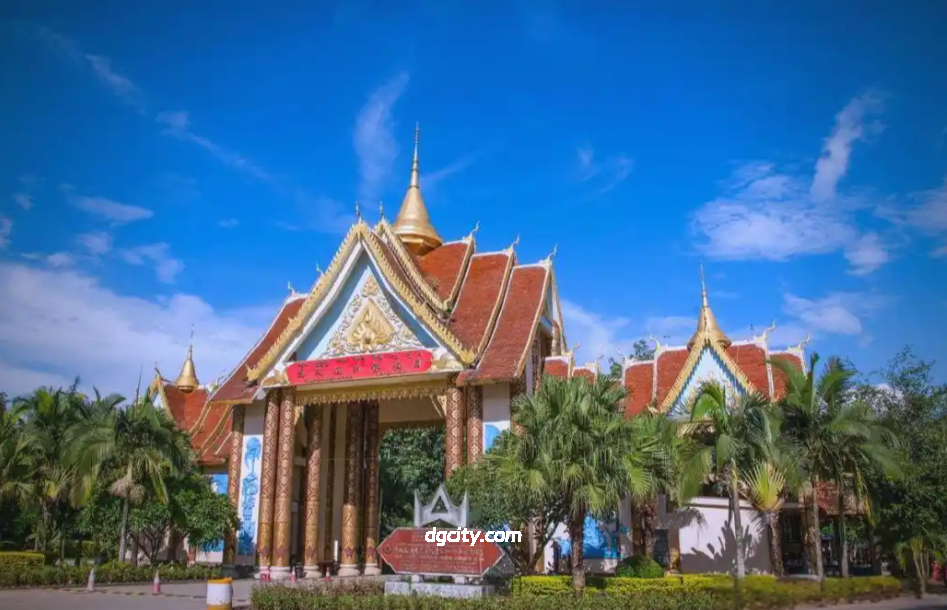
The Water-Splashing Festival (Po Shui Jie) stands as Xishuangbanna’s most famous celebration, marking the Dai New Year in mid-April according to the Dai calendar. Far more than just water play, this festival represents a complex series of religious and cultural events spanning three to five days. The first day features temple-based activities, with Dai communities visiting local Buddhist monasteries to make offerings, listen to sutra chanting, and participate in sand pagoda building—creating miniature stupas from sand as merit-making acts. The second day centers on water splashing, but with important symbolic dimensions: early morning ceremonies involve collecting “auspicious water” from rivers believed to possess special purity at dawn, followed by respectful water pouring over Buddha statues and elders’ hands before the general water play begins. The splashing itself follows strict etiquette, with gentle sprinkling for elders and more enthusiastic dousing among peers, all accompanied by blessings for health, happiness, and prosperity. The third day typically features dragon boat races on the Mekong River (Lancang Jiang in Chinese), with elaborately carved boats crewed by teams from different villages competing amid drumming and cheering crowds. Throughout the festival, traditional Dai performances including the Peacock Dance (symbolizing beauty and grace), Elephant Foot Drum Dance (celebrating strength and stability), and various folk opera forms entertain participants and visitors alike.
Beyond the Water-Splashing Festival, Xishuangbanna’s Buddhist calendar structures many celebrations. The Door-Closing Festival (Khao Phansa) marks the beginning of Buddhist Lent in July or August, when monks retreat to monasteries for three months of intensive study and meditation. Dai communities celebrate by offering new robes and supplies to monasteries, participating in candlelit processions, and making special merit through donations. The Door-Opening Festival (Ok Phansa) concludes Lent with joyful celebrations featuring boat races, kite flying, and the presentation of Kathina robes to monks. These festivals demonstrate how Theravada Buddhism, relatively rare in predominantly Mahayana Buddhist China, shapes Dai cultural life with rituals and rhythms distinct from Han Chinese Buddhist traditions. Visitors attending these events witness Buddhist practices more commonly associated with Thailand or Myanmar, providing comparative perspectives on Buddhist cultural expressions.
Xishuangbanna’s agricultural festivals reflect the region’s tropical ecology and rice-based Economy. The Rice Planting Festival, usually in May or June, features ceremonies asking for abundant harvests, with villagers dressing in traditional clothing to transplant rice seedlings to the accompaniment of folk songs and drumming. The Harvest Festival, after the autumn rice harvest, gives thanks through communal feasts, traditional games, and performances celebrating agricultural success. These festivals often incorporate animist elements, with rituals honoring field spirits, water deities, and agricultural tools as living entities deserving respect. For visitors interested in sustainable agriCulture and food systems, these celebrations offer insights into how traditional knowledge about tropical farming persists alongside modern agricultural methods.
The Dai people’s relationship with water extends beyond the Water-Splashing Festival to include river-oriented celebrations throughout the year. The Mekong River Festival features boat processions honoring the river as a life-giving force, with ceremonies asking for clean water, safe navigation, and abundant fish. The festival includes traditional fishing demonstrations using methods like cast nets, bamboo traps, and trained cormorants, alongside contemporary discussions about river conservation and transboundary water management. Similarly, spring water festivals at Xishuangbanna’s many natural springs involve cleaning and decorating spring sites, making offerings to water spirits, and celebrating the pure water sources that sustain communities. These water-focused events highlight the Dai’s ecological wisdom and their view of water as sacred rather than merely utilitarian.
Xishuangbanna’s tropical location supports festivals celebrating unique flora and fauna. The Tropical Flower Festival, during peak blooming season, showcases the region’s incredible botanical diversity through garden displays, flower arrangement competitions, and educational programs about rainforest conservation. The festival’s highlight is the night-blooming cereus viewing, when crowds gather to watch these rare flowers open after sunset. The Elephant Festival, while less frequent due to conservation concerns about captive elephants, historically celebrated the region’s pachyderms with processions, performances, and rituals honoring elephants as symbols of strength, wisdom, and royal power. Contemporary versions focus more on wild elephant conservation education, with exhibits about habitat protection and human-elephant conflict mitigation.
Dai culinary traditions shine during food-focused festivals like the Dai Food Festival, usually held in November after the main harvest. This event showcases Dai specialties such as grilled fish in banana leaves, sour bamboo shoot soup, sticky rice in bamboo tubes, and various chili-based dips and pastes. Cooking competitions highlight regional variations in Dai cuisine, with judges evaluating dishes based on traditional preparation methods, flavor balance, and presentation. The festival also features demonstrations of traditional food preservation techniques like fermenting, smoking, and sun-drying that have allowed Dai communities to thrive in tropical environments before refrigeration. For visitors, these culinary events offer delicious entry points into Dai Culture, where food serves as both sustenance and cultural expression.
Xishuangbanna’s position as a border region influences festival culture through cross-border exchanges. During major festivals, communities from Laos and Myanmar often participate, creating transnational celebrations that highlight shared ethnic identities across political boundaries. The Water-Splashing Festival in particular attracts participants from neighboring countries, with joint ceremonies at border temples and cultural exchanges between Dai/Thai communities separated by national borders but connected by language, religion, and kinship. These cross-border dimensions make Xishuangbanna’s festivals particularly interesting for visitors interested in how ethnic identities navigate modern nation-state boundaries.
For travelers seeking authentic festival experiences, Xishuangbanna offers opportunities ranging from large public celebrations in Jinghong (the prefectural capital) to intimate village events in communities like Menghai, Mengla, and Damenglong. While Jinghong provides convenient access to major festival events with tourist infrastructure, village celebrations often feel more traditional and less commercialized. Many Dai villages welcome respectful visitors during festivals, especially those who arrange visits through local guides or community tourism initiatives. Homestay programs during festival periods allow particularly deep immersion, with opportunities to participate in family preparations, ritual observances, and communal celebrations.
Practical considerations for experiencing Xishuangbanna’s festivals include preparing for tropical weather, understanding appropriate dress codes for temple visits (covering shoulders and knees), and being mindful of cultural protocols around photography and interaction. The Water-Splashing Festival requires particular preparation, with waterproof bags for electronics, quick-drying clothing, and respectful participation in water activities. Accommodation during major festivals books well in advance, especially in Jinghong, so early planning is essential. Transportation between festival sites may involve shared taxis, local buses, or organized tours, with options varying in comfort and reliability.
Xishuangbanna’s festivals face contemporary challenges including commercialization pressures, generational shifts in religious participation, and balancing tourism development with cultural preservation. However, community-led initiatives have emerged that use festival tourism to support traditional arts, fund temple maintenance, and create economic opportunities for Dai cultural practitioners. Visitors can support these efforts by choosing responsible tour operators, purchasing authentic crafts directly from artisans, and participating in cultural experiences that fairly compensate local communities. Such approaches help ensure that Xishuangbanna’s vibrant festival traditions continue to thrive as living expressions of Dai cultural identity rather than becoming mere tourist spectacles.
Whether experiencing the joyful chaos of water splashing, the solemn beauty of Buddhist ceremonies, the communal spirit of harvest celebrations, or the cross-border connections of ethnic festivals, visitors to Xishuangbanna encounter a cultural world distinct from mainstream Chinese traditions. The region’s festivals offer windows into Southeast Asian cultural spheres within China’s borders, demonstrating the country’s remarkable cultural diversity and the resilience of minority traditions in the face of modernization pressures. For travelers seeking to understand China’s southern frontiers and their connections to broader regional cultures, Xishuangbanna’s festival calendar provides essential experiences and insights.




暂无评论内容