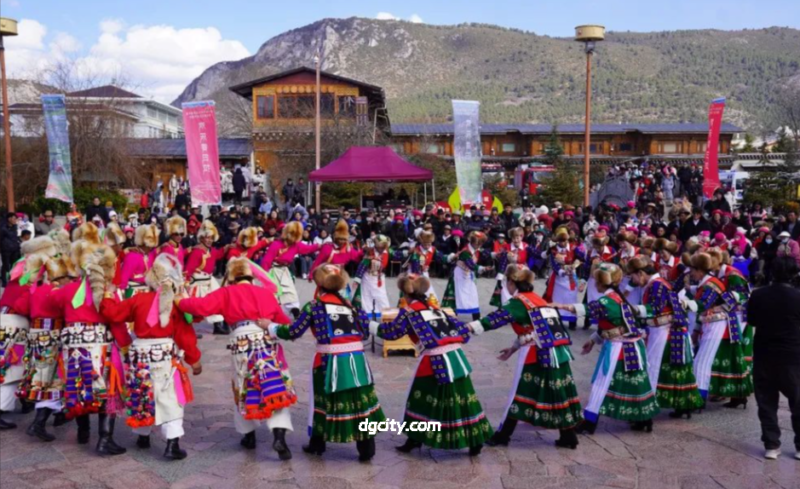





Shangri-La (formerly Zhongdian), in northwestern Yunnan’s Diqing Tibetan Autonomous Prefecture, represents the heart of Tibetan Culture in Yunnan and one of China’s most spiritually resonant destinations. Renamed in 2001 to evoke James Hilton’s mythical paradise, this high-altitude region combines stunning Himalayan landscapes with rich Tibetan Buddhist traditions, creating a festival calendar deeply connected to religious observance, seasonal cycles, and community identity. As the gateway to the Three Parallel Rivers UNESCO World Heritage site and home to some of Tibetan Buddhism’s most important monasteries outside Tibet proper, Shangri-La offers festival experiences that blend spiritual depth, cultural authenticity, and breathtaking natural settings. This guide explores Shangri-La’s festival landscape, providing insights into how Tibetan cultural traditions thrive in Yunnan’s high mountain environment.
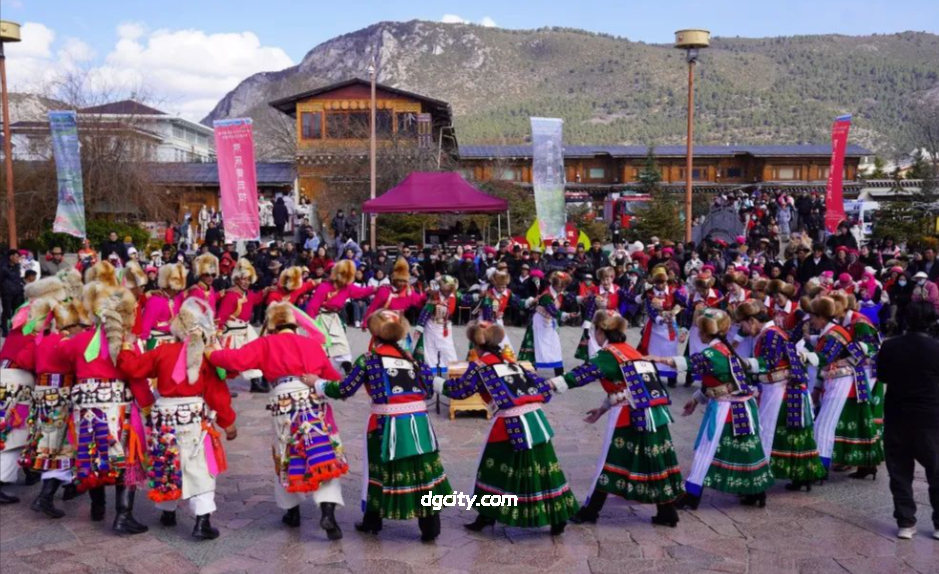
Losar, the Tibetan New Year, stands as Shangri-La’s most important celebration, typically occurring in February or March according to the Tibetan lunar calendar. The festival preparations begin weeks in advance, with families thoroughly cleaning homes to sweep away misfortune, preparing special foods like khapsay (fried dough twists) and Guthuk (ninth soup), and creating elaborate butter sculptures for household altars. The eve of Losar features the Gutor ceremony, where families gather to eat Guthuk containing hidden objects that predict individuals’ fortunes for the coming year. New Year’s Day itself begins before dawn with offerings to household deities, followed by visits to monasteries for blessings and community gatherings featuring traditional greetings of “Tashi Delek” (good luck). The following days include horse racing, archery competitions, and folk performances at venues throughout Shangri-La, with the Songzanlin Monastery (the largest Tibetan Buddhist monastery in Yunnan) serving as the spiritual center of celebrations. For visitors, experiencing Losar in Shangri-La offers a more accessible alternative to celebrations in Tibet itself, with similar religious and cultural elements but greater ease of travel and fewer restrictions.
The Saga Dawa Festival, celebrating the birth, enlightenment, and parinirvana of Buddha Shakyamuni, occurs on the full moon of the fourth Tibetan month (usually May or June). This month-long period of heightened religious observance features circumambulations of sacred sites, sutra chanting, butter lamp offerings, and acts of generosity including the freeing of captive animals. In Shangri-La, the festival’s highlight is the kora (pilgrimage circuit) around Dukezong Ancient Town, where thousands of devotees walk clockwise around the town’s prayer wheel (the world’s largest) and through its labyrinthine streets, spinning handheld prayer wheels and reciting mantras. The atmosphere combines solemn religious devotion with communal celebration, creating a powerful experience for both participants and observers. Visitors can join the kora respectfully, walking at the periphery and following local customs of clockwise movement and quiet contemplation. The festival also features thangka unveilings at Songzanlin Monastery, where enormous embroidered religious scrolls are displayed on special walls, creating spectacular visual focal points for devotion and photography.
Horse racing festivals hold special significance in Shangri-La’s nomadic and equestrian traditions. The Gyalthang Horse Racing Festival, usually in July or August, brings together Tibetan communities from across the region for competitions showcasing horsemanship skills developed over generations of high-altitude pastoralism. Events include traditional horse racing on the grasslands near Napa Lake, trick riding demonstrations, and competitions testing horses’ speed, endurance, and obedience. Beyond the equestrian events, the festival features Tibetan folk singing and dancing, archery contests, and displays of traditional nomadic crafts like rug weaving, tent making, and saddle production. For visitors, the festival offers insights into how animal husbandry remains central to Tibetan cultural identity in Shangri-La, with deep connections between people, horses, and the grassland ecosystems they inhabit.
Shangri-La’s monastery festivals provide windows into Tibetan Buddhist religious life beyond major celebrations. The Cham Dance festivals at various monasteries feature masked dances performed by monks to depict Buddhist teachings, defeat negative forces, and bless the community. These elaborate performances, accompanied by traditional monastic music using long horns, cymbals, and drums, combine religious instruction with theatrical spectacle. The most famous Cham dances occur at Songzanlin Monastery during the Great Prayer Festival (Monlam Chenmo) in early spring, but smaller versions take place at monasteries like Ganden Sumtseling and Dongzhulin throughout the year. Visitors attending these dances should observe strict etiquette: no photography during religious ceremonies unless explicitly permitted, respectful silence during performances, and appropriate dress covering shoulders and knees. The dances often conclude with the scattering of tsampa (roasted barley flour) as blessings, which participants may receive as sacred substances.
Seasonal festivals in Shangri-La reflect adaptation to the harsh high-altitude environment. The Harvest Festival, after the brief summer growing season, gives thanks for barley and vegetable crops through communal feasts, folk performances, and rituals honoring earth and mountain deities. The festival often includes the first tasting of newly harvested barley products like tsampa and chang (barley beer), with toasts to agricultural success and prayers for winter survival. The Winter Solstice Festival marks the year’s shortest day with ceremonies asking for the sun’s return, featuring bonfires, candlelit processions, and rituals to strengthen life force during the coldest period. These seasonal celebrations demonstrate how Tibetan Culture in Shangri-La maintains intimate connections to environmental rhythms, with festivals serving as mechanisms for synchronizing human activities with natural cycles.
Shangri-La’s geographic position at the convergence of Tibetan, Naxi, and Han Cultures creates unique hybrid festivals. The Gedong Festival, celebrated in some border villages, blends Tibetan Buddhist elements with Naxi Dongba traditions, featuring rituals conducted by both lamas and Dongba priests. Similarly, the Chinese Spring Festival has been adopted with Tibetan characteristics in mixed communities, creating celebrations that include both Tibetan Losar foods and Chinese New Year customs like red envelope giving. These cultural syntheses reflect Shangri-La’s history as a trading crossroads where different ethnic groups interacted, exchanged, and influenced each other’s traditions. For visitors interested in cultural hybridity, these borderland festivals offer fascinating examples of how ethnic identities adapt and blend in contact zones.
For travelers seeking immersive festival experiences, Shangri-La offers opportunities ranging from large public celebrations to intimate village events. While the town of Shangri-La (formerly Zhongdian) provides convenient access to major festivals with tourist infrastructure, more authentic experiences often occur in surrounding villages and nomadic communities. Homestay programs during festival periods, available through community tourism initiatives, allow deep participation in family preparations and celebrations. These experiences typically include helping with festival food preparation, learning traditional crafts, and participating in household rituals under family guidance. Such immersive approaches require cultural sensitivity, flexibility with basic living conditions, and willingness to follow local customs, but reward visitors with profound cultural understanding and personal connections.
Practical considerations for experiencing Shangri-La’s festivals include preparing for high altitude (3,300 meters/10,800 feet), understanding appropriate religious etiquette, and arranging transportation to often-remote celebration sites. Altitude sickness prevention through gradual acclimatization, hydration, and limited initial exertion is essential, especially during physically active festivals like koras or horse racing. Religious sites require modest dress, removal of hats and shoes in specific areas, and respectful behavior during ceremonies. Transportation may involve hiring local drivers familiar with mountain roads, as public transport to festival sites can be limited. Accommodation during major festivals books months in advance, so early planning is crucial, with options ranging from basic guesthouses to luxury resorts designed in traditional Tibetan architectural styles.
Shangri-La’s festivals face contemporary challenges including tourism commercialization, generational shifts in religious participation, and balancing cultural preservation with economic development. However, community-based tourism models have emerged that direct festival tourism revenue toward monastery maintenance, traditional arts support, and youth cultural education programs. Visitors can support these sustainable approaches by choosing responsible tour operators, purchasing authentic crafts from community cooperatives, and participating in cultural exchanges that fairly compensate local practitioners. Such responsible engagement helps ensure that Shangri-La’s festival traditions remain vibrant expressions of living culture rather than becoming fossilized performances for tourist consumption.
Whether witnessing the masked mystery of Cham dances, joining the devotional flow of koras, marveling at equestrian skills on high grasslands, or simply absorbing the spiritual atmosphere of monastery celebrations, visitors to Shangri-La encounter a cultural world where religion, community, and environment remain deeply intertwined. The region’s festivals offer windows into Tibetan Buddhist civilization within China’s borders, demonstrating both the resilience of traditional practices and their ongoing adaptation to modern circumstances. For travelers seeking spiritual depth, cultural authenticity, and natural grandeur, Shangri-La’s festival calendar provides transformative experiences that resonate long after departure from this earthly approximation of paradise.





暂无评论内容