




Kunming, as Yunnan’s provincial capital and cultural hub, serves as both a preservation center for traditional arts and crafts and an incubator for contemporary creative expressions. The city’s artistic landscape reflects its position at the crossroads of multiple ethnic traditions, historical trade routes, and modern urban development. From ancient temple arts to cutting-edge design studios, Kunming offers diverse encounters with Yunnan’s artistic heritage and innovation. This guide explores Kunming’s arts and crafts scene, providing insights into both traditional techniques preserved in urban settings and contemporary adaptations that carry cultural traditions into the modern era.
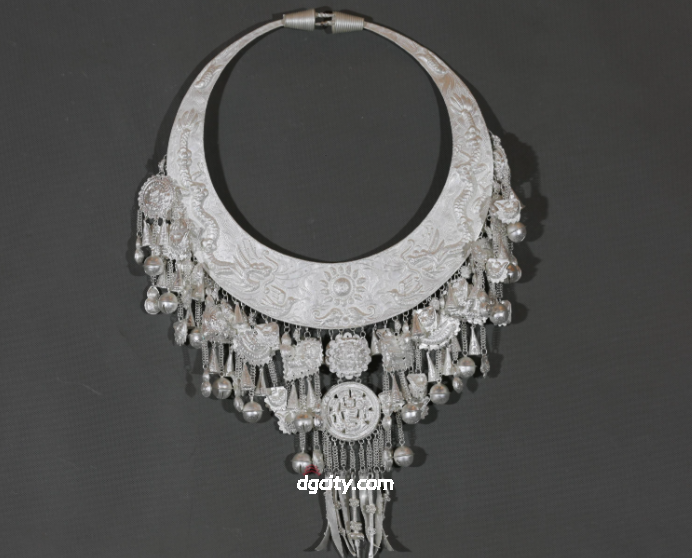
Kunming’s Museum and gallery network provides essential foundations for understanding Yunnan’s artistic traditions. The Yunnan Nationalities Museum houses extensive collections of ethnic crafts, including complete sets of traditional costumes, jewelry, textiles, and household implements from all of Yunnan’s 25 officially recognized ethnic groups. The Museum’s exhibitions demonstrate how materials, techniques, and designs vary across regions and ethnicities, with particular strengths in Dai silk weaving, Yi silverwork, Bai marble carving, and Naxi Dongba art. The Yunnan Provincial Museum complements this ethnic focus with collections of Han Chinese arts in Yunnan context, including classical Chinese painting and calligraphy by Yunnan artists, porcelain from local kilns, and historical artifacts that show artistic exchanges along the Tea Horse Road. For visitors, these Museums offer essential orientation before exploring living craft traditions in communities or markets.
The Yunnan Nationalities Village, while primarily a cultural tourism attraction, functions as an important site for experiencing live demonstrations of traditional crafts. Artisans from various ethnic groups work in reconstructed village settings, allowing visitors to observe techniques like Dai brocade weaving on traditional looms, Bai Tie-dye fabric production, Yi silver jewelry making, and Hani bamboo weaving. While these demonstrations occur in a staged environment, the artisans are often genuine practitioners who maintain their crafts in home communities, providing authentic insights into techniques even if the context is designed for tourism. The village’s craft market allows direct purchase from artisans, with opportunities to learn about materials, processes, and cultural meanings behind specific designs. For time-limited visitors, this concentrated experience offers efficient introduction to Yunnan’s craft diversity.
Kunming’s contemporary art scene engages with traditional crafts through innovative reinterpretations. The 108智库空间 (108 Think Tank Space) and other creative clusters host exhibitions where artists combine ethnic craft techniques with contemporary concepts, such as Bai Tie-dye patterns applied to modern fashion, Dongba pictographs incorporated into graphic design, or traditional pottery forms reimagined in minimalist aesthetics. These contemporary engagements demonstrate how traditional crafts remain relevant sources of inspiration rather than static heritage, with younger generations finding new expressions for ancestral techniques. Galleries like the TCG Nordica and the Yunnan Arts Institute Gallery regularly feature craft-focused exhibitions that bridge traditional and contemporary practices, often with accompanying workshops or artist talks that allow deeper engagement.
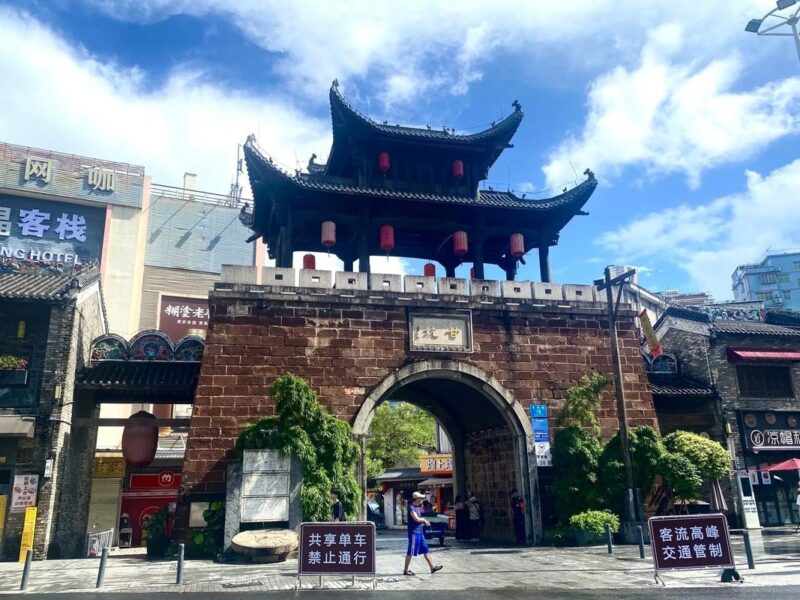
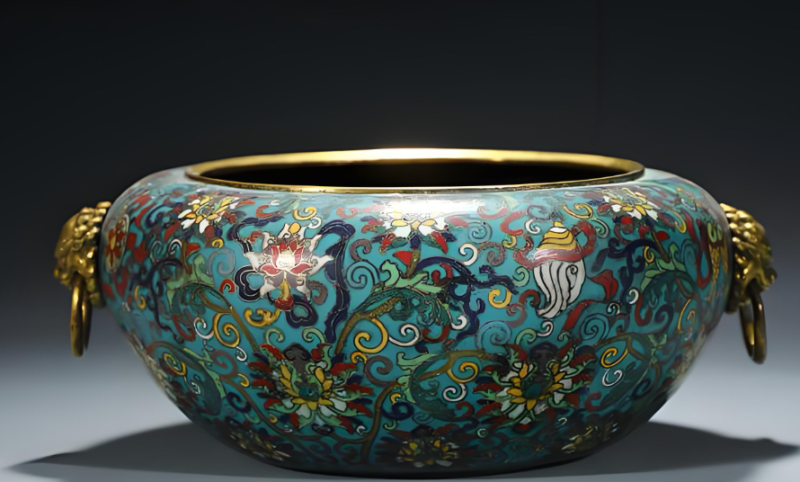
Kunming’s markets and shopping districts offer diverse craft purchasing opportunities with varying levels of authenticity. The Jinma Biji Fang (Golden Horse and Jade Rooster Memorial Archway) area features shops selling higher-end ethnic crafts, often with certificates of authenticity and explanations of cultural significance. The Kunming Flowers and Birds Market, while primarily focused on its namesake commodities, includes sections for antiques, curios, and crafts where discerning shoppers can find genuine items among more commercial products. The Yunnan Arts and Crafts Institute shop offers quality-controlled reproductions of museum pieces, providing accessible options for those seeking authentic designs without antique prices. For visitors interested in serious collecting, Kunming’s auction houses occasionally feature ethnic crafts in their sales, with pre-sale viewings that function as impromptu exhibitions of high-quality pieces.
Traditional craft workshops in and around Kunming allow hands-on learning experiences. Several institutions offer short courses in techniques like Chinese brush painting, seal carving, pottery, or specific ethnic crafts. The Yunnan Arts University’s continuing education programs sometimes include craft workshops open to visitors, taught by faculty members who are both practitioners and scholars of traditional arts. Private studios in the Green Lake area offer painting and calligraphy classes that introduce fundamental techniques while explaining cultural contexts. For visitors seeking more than observation, these workshops provide tangible connections to artistic traditions through direct practice under expert guidance.
Kunming’s position as an educational center supports craft preservation through academic programs and research. Yunnan University and Yunnan Arts University offer degrees in ethnic arts and crafts, training new generations of practitioners and scholars. Their research projects often involve fieldwork in ethnic communities, documenting endangered techniques and developing sustainable models for craft preservation. Visitors with academic interests can sometimes arrange visits to university studios or meetings with researchers through proper channels, gaining insights into how scholarly work supports living traditions. The universities’ libraries and special collections contain valuable resources for serious study of Yunnan’s craft heritage.
Kunming’s festivals and cultural events often feature craft components. During the Spring Festival temple fairs, traditional craft demonstrations become part of the festive atmosphere, with artisans making seasonal items like Paper Cuttings, lanterns, or decorative couplets. The Kunming International Culture and Tourism Festival includes craft exhibitions and competitions that showcase both traditional and innovative work. These event-based craft experiences allow visitors to see techniques in celebratory contexts, understanding how crafts function not just as commodities but as integral parts of cultural rituals and community gatherings.
For collectors and connoisseurs, Kunming offers specialized resources for understanding and acquiring Yunnan crafts. Several galleries focus specifically on ethnic textiles, with curators who can explain regional variations in weaving techniques, dye materials, and pattern meanings. Antique shops in the Zhengyi Road area sometimes carry older craft items, though authenticity verification requires expertise. The Kunming Cultural Relics Store, operated by the provincial cultural department, offers authenticated reproductions of significant craft items with detailed documentation. Serious collectors often work with local experts who can arrange visits to artisan communities or source specific items through established networks.
Kunming’s role in the broader Yunnan craft ecosystem includes functions as market hub, educational center, preservation institution, and innovation laboratory. The city connects rural artisan communities with urban and international markets, provides training that sustains traditional techniques, houses collections that document historical developments, and fosters creative experiments that carry traditions forward. This multifaceted role makes Kunming an essential starting point for any serious exploration of Yunnan’s arts and crafts, offering both overview understanding and gateways to deeper engagement with specific traditions in their regional contexts.
Practical considerations for exploring Kunming’s craft scene include understanding quality variations, authenticating purchases, and respecting intellectual property. Not all items sold as ethnic crafts are made by ethnic artisans or using traditional techniques—some are factory-produced imitations. Learning basic indicators of authenticity (materials, workmanship, design consistency with known traditions) helps make informed purchases. Photography in craft settings requires permission, especially when artisans are working. Many contemporary artists and designers working with traditional elements welcome interest in their creative processes but expect respect for their intellectual property and cultural references.
Whether visiting museum collections, observing live demonstrations, participating in workshops, browsing markets, or engaging with contemporary reinterpretations, visitors to Kunming encounter a rich tapestry of artistic traditions that reflect Yunnan’s cultural diversity. The city’s craft scene offers both preservation of heritage and innovation for the future, demonstrating how traditional arts remain vibrant through adaptation to changing contexts. For travelers beginning their exploration of Yunnan’s artistic heritage, Kunming provides essential foundations of knowledge, appreciation, and connection that enhance subsequent experiences in specific ethnic regions and artisan communities throughout the province.






暂无评论内容