




Dali, the cultural Heartland of the Bai people in western Yunnan, boasts one of China’s most distinctive and well-preserved craft traditions, developed over more than a thousand years of continuous cultural practice. Situated between the Cangshan Mountains and Erhai Lake, with a history as capital of the Nanzhao and Dali kingdoms, this region has cultivated artistic expressions that reflect Bai cosmology, environmental adaptation, and social organization. Dali’s arts and crafts are not merely decorative but embody philosophical concepts, historical narratives, and technical innovations that have sustained Bai cultural identity across centuries of change. This guide explores Dali’s craft traditions, focusing on the materials, techniques, and meanings that make Bai artistry unique within China’s ethnic craft landscape.
Dali marble carving stands as the region’s most famous craft, with a history dating back to the Tang Dynasty when Dali marble (actually a type of metamorphic limestone) began being quarried from the Cangshan Mountains. The stone’s natural patterns, resembling Chinese landscape paintings with gray, white, and occasional colored veining, inspired the development of distinctive carving techniques that work with rather than against the stone’s inherent characteristics. traditional Dali marble items include decorative screens, table tops, brush holders, and architectural elements, with designs often featuring natural landscapes, floral patterns, or calligraphic inscriptions. The craft’s technical sophistication includes methods for cutting thin slabs that maximize dramatic veining, polishing to enhance natural luster, and inlay techniques combining marble with other materials like wood or metal. Contemporary marble carvers in Dali continue these traditions while exploring new forms like jewelry, small sculptures, and functional objects that adapt ancient techniques to modern tastes. Visitors can observe marble carving at workshops in Dali Ancient Town and the marble village of Xiaguan, where generations of craftspeople have maintained family traditions despite changing markets and materials availability.
Bai Tie-dye (扎染, zaran) represents another iconic Dali craft, with techniques believed to have been introduced during the Tang Dynasty and refined over subsequent centuries. Unlike simpler Tie-dye methods found elsewhere, Bai tie-dye involves complex tying, stitching, and folding techniques that create intricate patterns with symbolic meanings. traditional designs include floral motifs (peonies for wealth, chrysanthemums for longevity), geometric patterns representing natural phenomena, and symbolic animals like butterflies (transformation) or fish (abundance). The dyeing process uses primarily indigo from locally grown plants, with some workshops maintaining traditional fermentation vats that produce richer colors than synthetic alternatives. The craft’s social dimensions are equally important—traditionally, Bai women learned Tie-dye skills as part of their upbringing, with pattern knowledge passed matrilineally and finished textiles serving as indicators of skill, patience, and aesthetic sensibility. Contemporary tie-dye in Dali balances preservation of traditional techniques with innovation in design applications, appearing on fashion garments, home textiles, and art pieces that reach international markets. The Zhoucheng Tie-Dye Village near Dali offers particularly authentic experiences, with many households maintaining small workshops where visitors can observe the entire process from pattern tying to final dyeing.
Bai architecture itself constitutes a craft tradition, with distinctive features that have evolved over centuries of adaptation to Dali’s climate and cultural needs. The characteristic “three rooms and one wall screen” courtyard house combines functionality with aesthetic principles, featuring carved wooden doors and windows, painted eaves, stone foundation carvings, and white-washed walls with decorative paintings. The architectural crafts include wood carving (particularly on portal frames and interior partitions), stone carving (for foundations and courtyard elements), brick work (with decorative patterns in laid brick), and mural painting (often featuring auspicious symbols or narrative scenes). These architectural crafts are maintained by specialized artisans who often work in family-based teams, passing techniques through apprenticeships. While most authentic Bai architecture exists in villages rather than Dali’s more commercialized Ancient Town, several cultural preservation projects allow visitors to see traditional building crafts in practice, including the restoration of historic structures using original methods and materials.
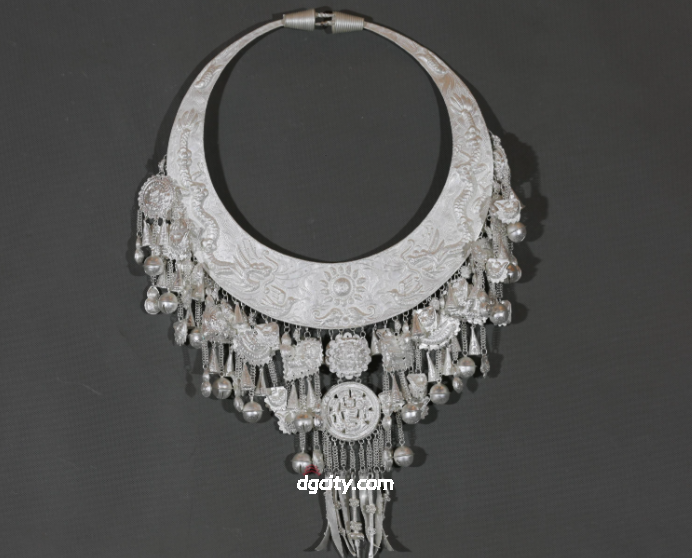
Bai silverwork showcases technical sophistication in metal craft, with traditions influenced by both indigenous development and historical trade connections. Dali silver jewelry typically features intricate filigree work, granulation, and repoussé techniques creating three-dimensional designs. Common motifs include butterflies (symbolizing love and transformation), peonies (wealth and honor), and geometric patterns derived from textile designs. The craft’s historical connections to the Tea Horse Road appear in some design elements that show Tibetan or Central Asian influences, reflecting Dali’s position as a trading hub. Contemporary Bai silversmiths in Dali’s Ancient Town and surrounding villages continue these traditions while adapting to modern jewelry preferences, creating pieces that balance traditional craftsmanship with contemporary wearability. Several workshops offer demonstrations of silver casting, forging, and finishing techniques, with opportunities for visitors to commission custom pieces or participate in short workshops learning basic techniques.
Dali’s textile arts extend beyond tie-dye to include brocade weaving, Embroidery, and batik techniques. Bai brocade, woven on traditional looms, features complex patterns often incorporating gold or silver threads for luxurious effect. The designs frequently depict mythical creatures from Bai folklore or natural motifs from the Dali landscape. Embroidery appears on traditional Bai costumes, particularly women’s headdresses and aprons, with stitches that create textured, almost three-dimensional effects. Batik (wax-resist dyeing) in Dali uses beeswax applied with special tools to create fine-line designs that contrast with the dyed background. These textile crafts are maintained primarily by women artisans, with knowledge transmission occurring within households and through women’s cooperative organizations that have emerged to market traditional textiles while ensuring fair compensation for artisans.
Dali’s paper-making and book arts have historical significance connected to the region’s Buddhist heritage. The Dali area produced high-quality paper used for Buddhist sutras during the Nanzhao and Dali kingdoms, with techniques that created durable, insect-resistant paper ideal for manuscript preservation. Contemporary paper-making workshops in some villages maintain these traditions, producing paper for calligraphy, painting, and book conservation. Related crafts include woodblock printing (used historically for religious texts and now for artistic prints), bookbinding in traditional styles, and the creation of accordion-fold books that reflect historical Dali manuscript formats. These paper and book arts appeal particularly to visitors interested in historical preservation techniques and the material Culture of writing.
For visitors seeking hands-on craft experiences, Dali offers numerous opportunities through workshops, cultural centers, and artisan cooperatives. The Dali Cultural and Creative Park hosts regular craft workshops where visitors can learn basic techniques in tie-dye, pottery, or painting under artisan guidance. Several guesthouses in Dali Ancient Town offer craft activities as part of their cultural programming, allowing guests to create simple craft items while learning about their cultural significance. The Bai Women’s Handicraft Cooperative in Zhoucheng organizes tie-dye experiences that include pattern instruction, tying practice, and participation in the dyeing process, with proceeds supporting local artisans and craft preservation.
Dali’s craft markets and shops range from tourist-oriented souvenir outlets to serious galleries representing master artisans. The Foreigner Street area in Dali Ancient Town features numerous shops selling crafts, with quality varying from mass-produced items to genuine artisan work. More discerning shoppers seek out specific artisan workshops or cooperatives that sell directly to visitors, often with better prices and assurance of authenticity. The Dali Craft Market held periodically brings together artisans from across the region, offering opportunities to meet makers directly and learn about techniques and materials. For serious collectors, several galleries in Dali specialize in high-quality craft items, with curators who can provide documentation of provenance and cultural significance.
Dali’s craft traditions face contemporary challenges including competition from factory-produced imitations, generational shifts in craft knowledge transmission, and balancing tourism commercialization with authentic practice. However, several initiatives support sustainable craft preservation: design collaborations that connect Bai artisans with international markets, educational programs that teach traditional techniques in schools, and certification systems that help consumers identify authentic handmade items. Visitors can support these efforts by purchasing directly from artisans or cooperatives, choosing quality over price in craft purchases, and engaging respectfully with craft traditions as living cultural practices rather than frozen heritage.
Whether marveling at the natural landscapes captured in marble, learning the intricate folds of tie-dye patterns, admiring the carved elegance of traditional architecture, or creating a personal craft item under artisan guidance, visitors to Dali encounter a craft tradition that embodies Bai cultural values of harmony with nature, technical excellence, and aesthetic refinement. The region’s arts and crafts offer tangible connections to a Culture that has maintained distinctive artistic expressions across centuries of political and social change, demonstrating how material practices can sustain cultural identity while adapting to new contexts and audiences.





暂无评论内容