




Lijiang, home to the Naxi people and their unique Dongba Culture, represents one of the world’s most distinctive artistic traditions centered around a living pictographic writing system. The Naxi’s Dongba culture, with roots in pre-Buddhist shamanistic practices, has developed artistic expressions that integrate writing, painting, music, and ritual into a cohesive cultural system. Unlike many ethnic craft traditions that focus on decorative or functional objects, Naxi arts are fundamentally textual and ritual in nature, with aesthetic dimensions serving spiritual and communicative purposes. This guide explores Lijiang’s artistic traditions, focusing on the Dongba pictographic system and its manifestations in various media, as well as other Naxi craft traditions that have developed alongside this unique cultural foundation.
The Dongba pictographic writing system stands as Lijiang’s most significant artistic and cultural achievement, comprising approximately 1,400 characters that represent words, concepts, and sometimes complete phrases through stylized pictorial representations. Developed over a thousand years by Dongba priests (shamans) to record rituals, myths, historical accounts, and knowledge systems, this script represents the world’s only surviving pictographic writing system used for extensive literary purposes. The characters themselves are artistic creations, with standardized forms that balance pictorial recognizability with efficient writing. Dongba script appears in several artistic media: handwritten manuscripts on handmade paper, paintings on cloth or paper, woodcarvings, and occasionally architectural elements. The aesthetic principles governing Dongba art emphasize clarity of communication, symbolic richness, and ritual efficacy rather than purely decorative considerations. For visitors, understanding Dongba art requires appreciating this functional dimension—these are not arbitrary decorations but meaningful communications within a complex cultural system.
Dongba manuscript production represents a complete craft tradition encompassing paper-making, ink preparation, brush creation, writing techniques, and bookbinding. traditional Dongba paper is made from the bark of the Wikstroemia plant, processed through methods that create durable, flexible sheets resistant to insects and decay—essential qualities for ritual texts meant to be used across generations. The ink is typically lampblack-based, mixed with animal glue and sometimes medicinal herbs believed to enhance spiritual potency. Brushes are handmade from local materials, with different sizes and stiffness for various character elements. The writing process itself follows strict ritual protocols, with specific preparations, invocations, and completion ceremonies. Contemporary Dongba manuscript production continues these traditions, with some priests maintaining complete craft knowledge while others specialize in particular aspects. Visitors can observe manuscript production at the Dongba Culture Museum or in workshops associated with active Dongba priests, though the ritual dimensions may be simplified for demonstration purposes.
Dongba painting extends the pictographic system into more elaborate visual compositions used for ritual purposes, teaching, and cultural preservation. These paintings typically feature central deities or mythological scenes surrounded by explanatory pictographs, creating narrative visual fields that can be “read” by those literate in Dongba script. The paintings follow specific iconographic conventions for colors (symbolic meanings assigned to different hues), composition (hierarchical arrangements reflecting spiritual cosmology), and stylistic elements (flowing lines representing spiritual energy). traditional Dongba paintings are executed on cloth or paper using mineral and vegetable pigments, with some colors derived from locally sourced materials like azurite (blue), cinnabar (red), or gardenia (yellow). Contemporary Dongba artists have expanded into new media like canvas, printmaking, and digital formats while maintaining core aesthetic and symbolic principles. Several galleries in Lijiang’s Ancient Town specialize in Dongba art, offering works ranging from traditional ritual paintings to contemporary interpretations that apply Dongba visual language to new subjects.
Naxi music represents another artistic tradition with deep cultural significance, particularly the Naxi Ancient Music that has gained international recognition for preserving Tang and Song Dynasty musical forms. This tradition involves specific craft dimensions in instrument making and maintenance. The instruments used in Naxi Ancient Music ensembles include pipa (lute), erhu (two-stringed fiddle), dizi (bamboo flute), sheng (mouth organ), and various percussion instruments, many constructed according to historical specifications using traditional materials and methods. Instrument makers in Lijiang maintain these craft traditions, sourcing appropriate woods, bamboos, and skins, and applying construction techniques passed through apprenticeships. The music itself follows specific notation systems and performance practices that constitute artistic knowledge requiring years to master. For visitors, Naxi Ancient Music performances offer auditory encounters with living history, while instrument workshops provide insights into the material craftsmanship underlying the musical tradition.
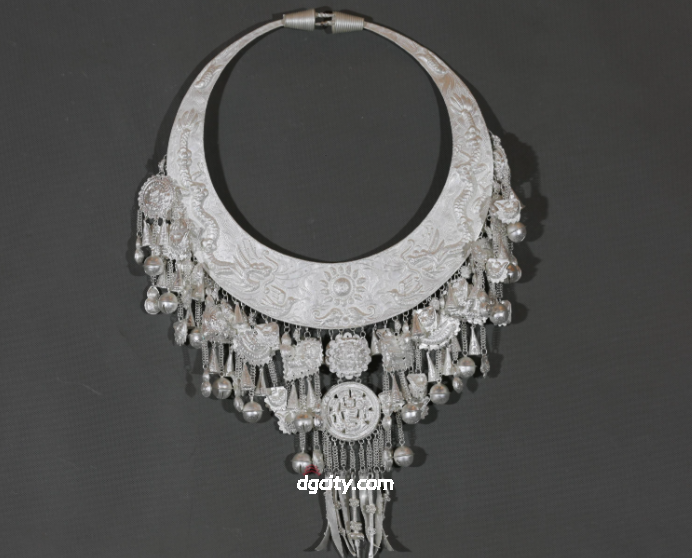
Naxi textile and costume arts, while less famous than Dongba Culture, demonstrate sophisticated craft traditions adapted to the region’s climate and cultural needs. Traditional Naxi clothing features the distinctive “Seven-Star Shawl” worn by women, embroidered with seven circular patches representing stars and symbolizing hard work (rising early and working late under the stars). The shawls incorporate weaving, Embroidery, and appliqué techniques using wool, linen, and cotton. Naxi indigo dyeing produces the characteristic dark blue backgrounds, with regional variations in shade and fastness techniques. Costume elements include elaborate silver jewelry, particularly headdresses and chest ornaments that indicate marital status, regional origin, and sometimes family wealth. These textile and metal crafts are maintained primarily by women artisans, with knowledge transmission occurring within households and through women’s cooperatives that have emerged to market traditional Naxi textiles while ensuring cultural continuity.
Lijiang’s architectural arts reflect Naxi adaptations to the local environment and cultural values. The characteristic Naxi courtyard houses feature wood construction with elaborate carvings on portals, windows, and interior partitions. The carvings typically depict auspicious symbols (bats for happiness, deer for longevity), natural motifs (flowers, birds), or occasionally Dongba pictographs for protection. The architectural style incorporates practical adaptations to Lijiang’s earthquake-prone location, with flexible wood-frame construction that has proven remarkably resilient. Restoration and maintenance of traditional Naxi architecture requires specialized carpentry, masonry, and decorative painting skills maintained by artisan families. While much of Lijiang Ancient Town’s architecture has been modified for tourism, several preservation projects and Museum houses demonstrate authentic construction techniques and decorative arts.
For visitors seeking hands-on experiences with Naxi arts, Lijiang offers workshops focused on Dongba script learning, traditional painting techniques, or instrument making. The Dongba Culture Research Center organizes short courses where participants learn basic pictographs and their meanings, practice writing with traditional tools, and create simple Dongba-style artworks. Several cultural guesthouses offer craft activities as part of their programming, such as learning Naxi Embroidery stitches or trying traditional indigo dyeing. The Lijiang Naxi Ancient Music Association occasionally offers instrument demonstration sessions where visitors can try playing traditional instruments under musician guidance. These interactive experiences, while necessarily simplified, provide tangible connections to Naxi artistic traditions beyond passive observation.
Lijiang’s craft markets and galleries present challenges in distinguishing authentic Naxi crafts from commercial imitations. The Shuhe Ancient Town and Baisha areas generally offer more authentic craft experiences than the heavily commercialized Lijiang Ancient Town center. Several cooperatives run by Naxi artisans sell directly to visitors, with better assurance of authenticity and fair compensation to makers. The Lijiang Craft Market held periodically brings together artisans from across the Naxi region, offering opportunities to meet makers and learn about techniques directly. For serious collectors, several galleries specialize in high-quality Dongba art and traditional crafts, with documentation of provenance and cultural significance.
Lijiang’s artistic traditions face significant challenges including the declining number of fully literate Dongba priests, competition from mass-produced souvenirs, and generational shifts in cultural engagement. However, several initiatives support sustainable preservation: Dongba script education programs in schools, documentation projects recording elder knowledge, and design collaborations that connect Naxi artisans with contemporary markets. The UNESCO recognition of Dongba manuscripts as Memory of the World heritage has raised awareness and support for preservation efforts. Visitors can support these initiatives by purchasing authentic crafts from recognized artisans or cooperatives, participating in educational programs that compensate cultural practitioners fairly, and engaging respectfully with Naxi arts as living traditions rather than tourist commodities.
Whether studying the intricate pictographs of Dongba manuscripts, listening to the ancient melodies preserved in Naxi music, admiring the symbolic Embroidery on traditional costumes, or learning basic Dongba writing under priest guidance, visitors to Lijiang encounter artistic traditions that integrate aesthetic, spiritual, and communicative functions in unique ways. The Naxi’s Dongba culture represents a remarkable case of how writing systems can become comprehensive artistic and cultural frameworks, sustaining identity across centuries while adapting to contemporary circumstances. Lijiang’s arts offer not just beautiful objects but windows into a worldview where visual signs carry profound meanings, where craftsmanship serves spiritual purposes, and where artistic traditions maintain vital connections between past and present.




暂无评论内容