




Xishuangbanna Dai Autonomous Prefecture, China’s primary center of Dai Culture and Theravada Buddhism, possesses artistic traditions deeply influenced by Buddhist spirituality, tropical environment, and historical connections to Southeast Asia. The Dai people’s arts and crafts reflect their religious devotion, agricultural lifestyle, and distinctive aesthetic sensibilities developed over centuries in the lush landscapes of southern Yunnan. Unlike many Chinese ethnic crafts that emphasize Han Chinese influences, Dai artistic traditions show stronger affinities with Thai, Lao, and Burmese crafts, creating a unique cultural expression within China’s borders. This guide explores Xishuangbanna’s artistic landscape, focusing on Buddhist temple arts, textile traditions, architectural crafts, and other forms that embody Dai cultural identity.
Dai Buddhist temple arts represent the region’s most spiritually significant craft traditions, centered around the numerous Buddhist monasteries (wat) that serve as community hubs throughout Xishuangbanna. Temple architecture itself constitutes a major craft, featuring distinctive multi-tiered roofs with upward-curving eaves, ornate wooden carvings, and elaborate decorative painting. The construction techniques combine practical adaptation to tropical climate (elevated structures for ventilation, steep roofs for heavy rainfall) with symbolic elements representing Buddhist cosmology. Temple murals depict Jataka tales (stories of Buddha’s previous lives), scenes from Buddhist scriptures, and sometimes local historical events, executed in styles that show both indigenous development and influences from Southeast Asian Buddhist art. The murals use mineral and vegetable pigments on prepared plaster or wood surfaces, with color symbolism following Theravada Buddhist conventions—gold for enlightenment, white for purity, etc. Sculptural arts in temples include Buddha images in various mudras (hand gestures), mythological creatures guarding entrances, and decorative elements on altars and pillars. These sculptural traditions employ materials like wood, stucco, and occasionally bronze, with techniques passed through monastic workshops or lay artisan families serving temple needs.
Dai textile arts, particularly silk weaving, represent some of China’s most sophisticated and visually stunning craft traditions. Dai women traditionally learn weaving skills as essential aspects of feminine identity and household Economy, producing textiles for clothing, household use, and temple offerings. The distinctive Dai brocade features complex patterns woven on traditional foot-treadle looms, often incorporating gold or silver threads for luxurious effect. Common motifs include mythological animals (naga serpents, hamsa birds), floral patterns (lotus for purity, orchid for elegance), and geometric designs with symbolic meanings. The color palette emphasizes rich jewel tones—deep reds, purples, greens, and golds—derived from both natural dyes (indigo, sappanwood, turmeric) and, increasingly, synthetic alternatives. Beyond brocade, Dai textile arts include batik (wax-resist dyeing) with intricate patterns, Embroidery for costume decoration, and appliqué work for ceremonial banners. Contemporary Dai weavers balance preservation of traditional patterns with innovation for modern markets, creating fashion items, home textiles, and art pieces that carry traditional aesthetics into new contexts. Several weaving villages around Jinghong, Menghai, and Mengla welcome visitors to observe weaving processes and sometimes participate in workshops learning basic techniques.
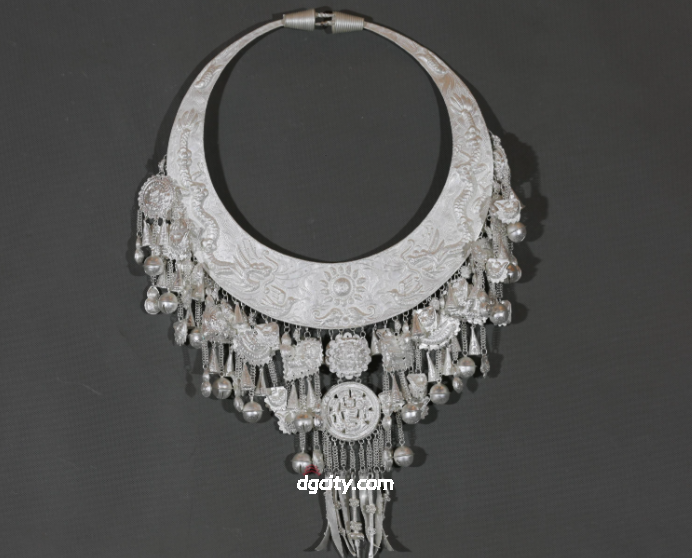
Dai silversmithing produces the elaborate jewelry that forms essential components of traditional Dai costume, particularly for women. Dai silverwork features techniques like filigree (delicate wirework), repoussé (hammered relief), granulation (tiny soldered spheres), and Enamel Work in some regions. Jewelry items include necklaces, bracelets, earrings, waist ornaments, and hairpins, often worn in coordinated sets for ceremonial occasions. The designs incorporate Buddhist symbols (lotus, dharma wheel), natural motifs (peacocks, elephants, flowers), and protective amulets. Silver also appears in ritual objects used in Buddhist ceremonies and household altars. The craft’s social dimensions include silver’s role in dowry systems and as family wealth storage, with heirloom pieces passed through generations. Contemporary Dai silversmiths maintain traditional techniques while adapting to changing fashion preferences, creating pieces that range from faithful reproductions of traditional designs to innovative interpretations for modern wearers.
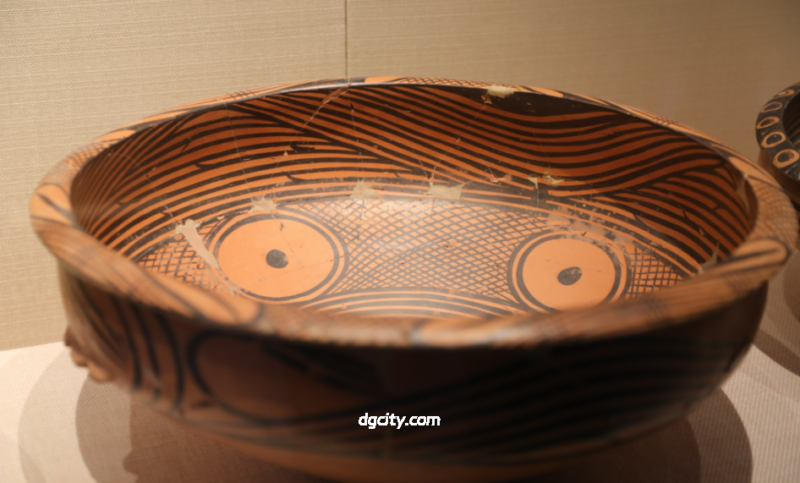
Dai pottery and bamboo crafts demonstrate adaptation to tropical environment and subsistence needs. Traditional Dai pottery, primarily unglazed earthenware, includes water storage jars, cooking pots, and ceremonial vessels, with forms optimized for practical use in Dai households. The pottery often features simple incised or impressed decorations, with some ritual pieces showing more elaborate modeling. Bamboo crafts encompass a wide range of items from household utensils to architectural elements, furniture, and musical instruments. Dai bamboo weaving produces baskets, mats, hats, and containers with intricate patterns demonstrating technical mastery of this versatile material. Both pottery and bamboo crafts face challenges from industrial alternatives but are maintained by artisans who value traditional materials and methods for their cultural significance and environmental sustainability.
Dai paper-making and manuscript traditions, while less extensive than in some other Cultures, produce materials for religious and practical uses. Traditional Dai paper, made from the bark of local trees, is used for temple decorations, ceremonial items, and sometimes for writing in Dai script (an alphabet derived from Indian scripts). The paper-making process involves harvesting, cooking, beating, and sheet-forming techniques adapted to tropical conditions. Related crafts include woodblock printing for religious texts and decorative patterns, bookbinding for palm-leaf manuscripts (a format shared with Southeast Asian Buddhist traditions), and the creation of ceremonial items like prayer flags and temple banners.
Dai architectural crafts extend beyond temples to include traditional stilt-house construction, which represents both practical adaptation to tropical environment and cultural expression. The characteristic Dai house features elevated living spaces (for ventilation and flood protection), steep thatched or tiled roofs, and open floor plans that accommodate extended family living. Construction involves specialized Woodworking for structural elements, bamboo weaving for walls and partitions, and thatching techniques for roofs. Decorative elements include carved wooden panels, painted eaves, and sometimes mosaic work using colored glass or ceramics. While modern construction materials have replaced traditional ones in many areas, several cultural villages and preservation projects maintain authentic building techniques, with artisans demonstrating traditional carpentry, joinery, and decorative skills.
For visitors seeking hands-on experiences with Dai arts, Xishuangbanna offers workshops at cultural centers, artisan villages, and some temples. The Xishuangbanna Dai Cultural Garden organizes weaving and pottery workshops where visitors can learn basic techniques under artisan guidance. Several temples in Jinghong offer opportunities to observe mural painting or sculpture restoration, sometimes with explanations from resident monks or artists. Homestay programs in Dai villages sometimes include craft activities as part of cultural exchange, with families teaching simple techniques like bamboo weaving or basic Embroidery. These interactive experiences, while necessarily introductory, provide deeper understanding of Dai craft traditions than passive observation alone.
Xishuangbanna’s craft markets range from tourist-oriented souvenir stalls in Jinghong to more authentic village markets where Dai artisans sell directly to local communities. The Ganlanba (Olive Plain) market near Jinghong features particularly good selections of traditional textiles and silverwork, with opportunities to observe artisans at work in adjacent workshops. The Menghai and Mengla areas, being less touristed, often offer more authentic craft experiences with less commercial intermediation. For serious collectors, several galleries in Jinghong specialize in high-quality Dai crafts, with documentation of materials, techniques, and cultural meanings.
Dai artistic traditions face contemporary challenges including competition from factory-made imitations, declining transmission of specialized skills, and tourism pressures that sometimes prioritize spectacle over authenticity. However, several initiatives support sustainable preservation: design collaborations connecting Dai artisans with international fashion markets, cultural education programs in schools, and certification systems that help consumers identify authentic handmade items. The Dai people’s strong cultural identity and religious continuity provide foundations for craft preservation that may be more resilient than in some other ethnic groups. Visitors can support these efforts by purchasing directly from artisans or cooperatives, choosing quality over price, and engaging respectfully with Dai arts as expressions of living Culture rather than exotic curiosities.
Whether admiring the golden splendor of temple architecture, marveling at the intricate patterns of woven silk, learning about symbolic meanings in silver jewelry, or trying hands-on craft techniques, visitors to Xishuangbanna encounter artistic traditions that reflect a unique synthesis of Buddhist spirituality, tropical adaptation, and cultural exchange with Southeast Asia. Dai arts offer windows into a worldview where beauty serves spiritual purposes, where craftsmanship embodies religious devotion, and where artistic traditions maintain vital connections across national borders to broader Theravada Buddhist cultural spheres. For travelers seeking to understand China’s southern frontiers and their connections to Southeast Asia, Xishuangbanna’s artistic heritage provides essential perspectives on cultural flows, adaptations, and continuities in one of Asia’s most culturally dynamic border regions.




暂无评论内容