




Shangri-La (Zhongdian), the heart of Tibetan Culture in Yunnan’s Diqing Prefecture, possesses artistic traditions deeply rooted in Tibetan Buddhism with distinctive regional characteristics shaped by the area’s unique position at the intersection of Tibetan, Naxi, and Han cultural spheres. The arts and crafts of Shangri-La reflect the profound spirituality of Vajrayana Buddhism, adaptation to high-altitude environment, and historical exchanges along trade routes connecting Tibet with Yunnan and beyond. Unlike the more commercialized craft scenes in Lhasa or Kathmandu, Shangri-La’s artistic traditions often retain stronger connections to religious practice and community life, offering visitors authentic encounters with living Buddhist art traditions. This guide explores Shangri-La’s artistic landscape, focusing on Thangka painting, monastery arts, metal crafts, textiles, and other forms that embody Tibetan cultural identity in Yunnan context.
Thangka painting represents Shangri-La’s most renowned artistic tradition, with the region producing some of Tibet’s finest contemporary thangka artists. These religious scroll paintings, used for meditation, teaching, and ritual purposes, follow strict iconographic conventions established in Buddhist scriptures. Shangri-La thangkas are particularly noted for their meticulous detail, vibrant mineral pigments, and incorporation of local stylistic elements that distinguish them from central Tibetan styles. The painting process involves multiple stages: preparing the cotton or silk canvas with gesso, sketching the composition according to precise proportional systems, applying pigments ground from minerals and semi-precious stones (malachite for green, lapis lazuli for blue, cinnabar for red), adding gold leaf details, and finally consecrating the completed painting through ritual ceremonies. Contemporary thangka painters in Shangri-La balance preservation of traditional techniques with artistic innovation, some creating works for international collectors while others focus on ritual paintings for monasteries and devotees. Several painting schools and workshops in and around Shangri-La offer opportunities to observe thangka creation, with some providing short courses where visitors can learn basic techniques under master painter guidance.
Monastery arts extend beyond thangkas to include mural painting, sculpture, wood carving, and decorative arts that adorn Shangri-La’s numerous Buddhist institutions. The Songzanlin Monastery (Ganden Sumtseling), Yunnan’s largest Tibetan Buddhist monastery, functions as both religious center and living Museum of traditional arts, with ongoing restoration and creation of artistic elements. Monastery murals depict Buddhist deities, mandalas, and cosmological diagrams, executed in styles that show influences from both central Tibetan traditions and local developments. Sculptural arts include Buddha images in various meditation postures, protective deities, and ritual objects, crafted from materials like clay, wood, metal, and butter (for temporary ritual sculptures). Wood carving appears on temple pillars, altars, and furniture, with intricate patterns that combine religious symbolism with decorative beauty. These monastery arts are maintained by teams of artisan-monks and lay specialists who train through apprenticeships, with knowledge transmission occurring within monastic communities. Visitors to Songzanlin and smaller monasteries can often observe restoration work in progress, providing insights into both traditional techniques and contemporary preservation challenges.
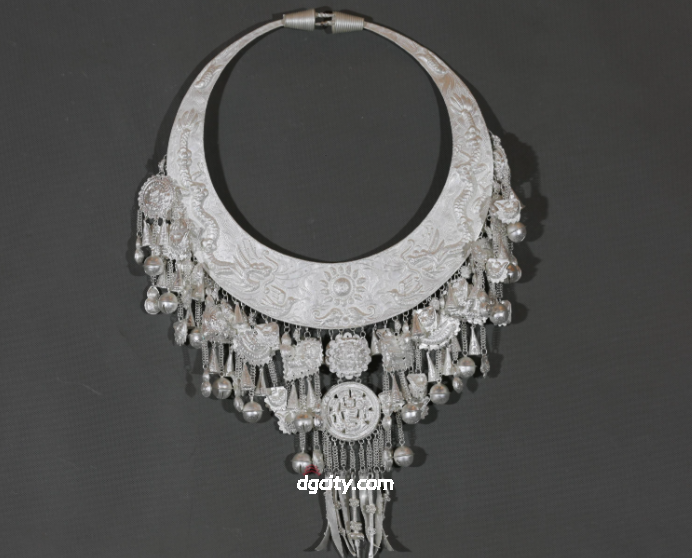
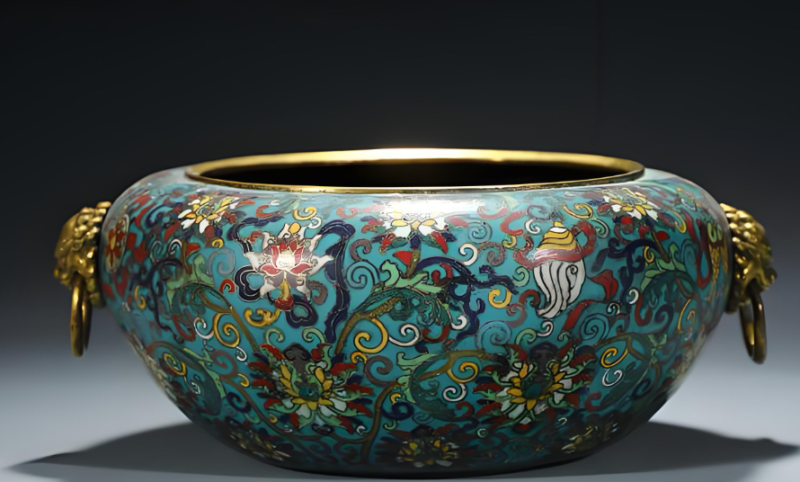
Tibetan metal crafts in Shangri-La demonstrate exceptional technical sophistication, particularly in ritual implements used in Buddhist ceremonies. Skilled metalsmiths produce items like ritual daggers (phurba), bells (drilbu), offering bowls, incense burners, and decorative elements for monasteries and household altars. Techniques include lost-wax casting for complex forms, repoussé work for relief decoration, engraving for fine details, and inlay with precious stones or other metals. The craft’s religious dimensions are paramount—ritual implements must conform to scriptural specifications regarding proportions, symbols, and materials to maintain spiritual efficacy. Contemporary metal craftsmen in Shangri-La serve both religious and secular markets, creating items ranging from authentic ritual implements to decorative pieces for collectors and tourists. Several workshops in the old town area demonstrate traditional Metalworking techniques, with opportunities to commission custom pieces or purchase from existing collections.
Tibetan textile arts in Shangri-La include weaving, Embroidery, and appliqué work used for religious and secular purposes. Religious textiles include temple banners, altar cloths, and ceremonial costumes for monks, often featuring intricate embroidery with gold and silver threads. Secular textiles encompass traditional Tibetan clothing like chubas (robes), aprons, and boots, with regional variations in colors, patterns, and decorative elements. The distinctive striped aprons worn by married women in some Tibetan communities represent particularly sophisticated weaving achievements, with patterns indicating regional origin and sometimes family status. Felt-making, using wool from local sheep and yaks, produces items like hats, boots, and saddle blankets adapted to the high-altitude climate. Contemporary textile artists in Shangri-La maintain these traditions while exploring new applications, creating fashion items, home textiles, and art pieces that carry traditional aesthetics into modern contexts. Several cooperatives run by Tibetan women market traditional textiles while providing economic opportunities that help sustain craft knowledge transmission.
Butter sculpture represents one of Tibetan Buddhism’s most ephemeral yet technically demanding art forms, created for religious festivals and temporary altar decorations. Using yak butter mixed with pigments, artisans sculpt intricate representations of deities, flowers, animals, and symbolic objects. The craft requires working in cold conditions to prevent butter melting, with specialized tools and techniques developed over centuries. While primarily created for religious purposes with limited lifespan (butter sculptures eventually melt or are ritually dismantled), contemporary versions sometimes use more durable materials for exhibition or sale. The butter sculpture displays during Losar (Tibetan New Year) and other major festivals at Songzanlin Monastery offer visitors spectacular examples of this unique art form, with elaborate compositions that can reach several meters in height.
Tibetan paper-making and book arts have historical significance in Shangri-La, with traditions of producing durable paper from local plant fibers for religious manuscripts. Traditional Tibetan paper, made from the bark of the Daphne or Edgeworthia plants, is known for its strength, flexibility, and resistance to insects—qualities essential for preserving sacred texts. Related crafts include woodblock carving for printing prayer flags and religious texts, bookbinding in traditional Tibetan styles (often using unbound loose-leaf formats), and the creation of prayer wheels and other ritual items incorporating printed texts. While modern paper has largely replaced traditional production for everyday use, several workshops maintain traditional paper-making techniques for restoration work and specialty applications. Visitors interested in book arts and historical preservation can sometimes observe these crafts at cultural centers or monastery workshops.
For visitors seeking hands-on experiences with Tibetan arts, Shangri-La offers workshops at cultural centers, some guesthouses, and through artisan cooperatives. The Shangri-La Tibetan Arts Center organizes short courses in Thangka painting basics, butter sculpture, or traditional textile techniques. Several guesthouses in the old town area offer craft activities as part of their cultural programming, such as learning to make simple prayer flags or trying basic weaving techniques. Homestay programs in Tibetan villages sometimes include opportunities to participate in household craft activities, providing more authentic but less structured experiences. These interactive opportunities, while necessarily introductory, provide deeper engagement with Tibetan artistic traditions than passive observation alone.
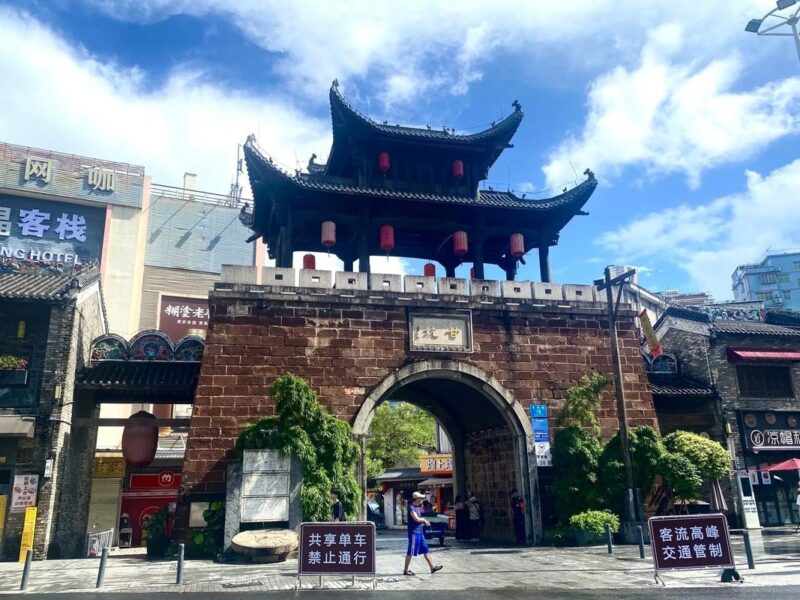
Shangri-La’s craft markets range from tourist-oriented shops in the old town to more authentic venues where Tibetan artisans sell directly to local communities. The Dukezong Ancient Town area features numerous craft shops, with quality varying from mass-produced souvenirs to genuine artisan work. The Saturday market near the bus station often includes Tibetan crafts alongside everyday goods, offering more authentic selections at better prices. For serious collectors, several galleries specialize in high-quality thangka paintings and traditional crafts, with documentation of artists’ training and techniques. The annual Shangri-La Folk Culture Festival includes craft exhibitions and demonstrations, providing concentrated opportunities to encounter diverse Tibetan artistic traditions.
Tibetan artistic traditions in Shangri-La face contemporary challenges including competition from factory-made imitations, declining numbers of fully trained artisans, and tourism pressures that sometimes prioritize commercial appeal over authenticity. However, several factors support sustainable preservation: strong religious foundations that maintain demand for authentic ritual arts, cultural education programs in monasteries and schools, and growing international interest in authentic Tibetan crafts. The region’s relative remoteness compared to central Tibet has sometimes helped preserve traditional techniques with less commercial interference. Visitors can support preservation efforts by purchasing directly from recognized artisans or cooperatives, choosing quality items with documentation of materials and techniques, and engaging respectfully with Tibetan arts as expressions of living religious Culture rather than exotic decorations.
Whether marveling at the intricate detail of thangka paintings, observing the solemn creation of ritual implements, learning about symbolic meanings in traditional textiles, or trying hands-on craft techniques, visitors to Shangri-La encounter artistic traditions that embody Tibetan Buddhism’s integration of spiritual practice, technical mastery, and aesthetic refinement. The arts of Shangri-La offer windows into a worldview where creativity serves enlightenment, where craftsmanship expresses devotion, and where artistic traditions maintain vital connections across the Himalayas to broader Tibetan cultural spheres. For travelers seeking to understand Tibetan culture within China’s borders, Shangri-La’s artistic heritage provides essential perspectives on continuity, adaptation, and resilience in one of the world’s most spiritually rich cultural traditions.




暂无评论内容