




Honghe Hani and Yi Autonomous Prefecture, renowned for its spectacular UNESCO-listed rice terraces, possesses craft traditions intimately connected to agricultural life, environmental adaptation, and ethnic identity in one of the world’s most remarkable cultural landscapes. The arts and crafts of Honghe reflect the Hani people’s deep relationship with their terraced environment, developed over more than a thousand years of sustainable mountain agriCulture. Unlike crafts centered on decorative or religious objects, Hani craft traditions emphasize practical adaptation to subsistence needs while embodying cultural values and ecological knowledge. This guide explores Honghe’s artistic landscape, focusing on crafts related to terrace agriculture, textile traditions, bamboo and wood crafts, and other forms that express Hani cultural identity within the breathtaking setting of the Yuanyang rice terraces.
Terrace-related crafts represent Honghe’s most distinctive artistic traditions, directly supporting the agricultural system that shapes the region’s landscape and Culture. Stone masonry for terrace wall construction constitutes a highly skilled craft, with techniques developed over generations to create stable, durable walls that retain soil and water on steep slopes. The craft involves selecting appropriate stones, shaping them with minimal tools, and fitting them together without mortar in interlocking patterns that withstand seismic activity and water pressure. Similarly, water management crafts include creating and maintaining irrigation channels, bamboo pipe systems, and water distribution mechanisms that ensure equitable sharing of this precious resource across complex terrace networks. These agricultural crafts are maintained by specialized artisans within Hani communities, with knowledge transmission occurring through practical apprenticeship rather than formal training. While primarily functional, these crafts possess aesthetic dimensions in their precision, symmetry, and integration with natural contours, creating landscapes that many consider among the world’s most beautiful human-made environments.
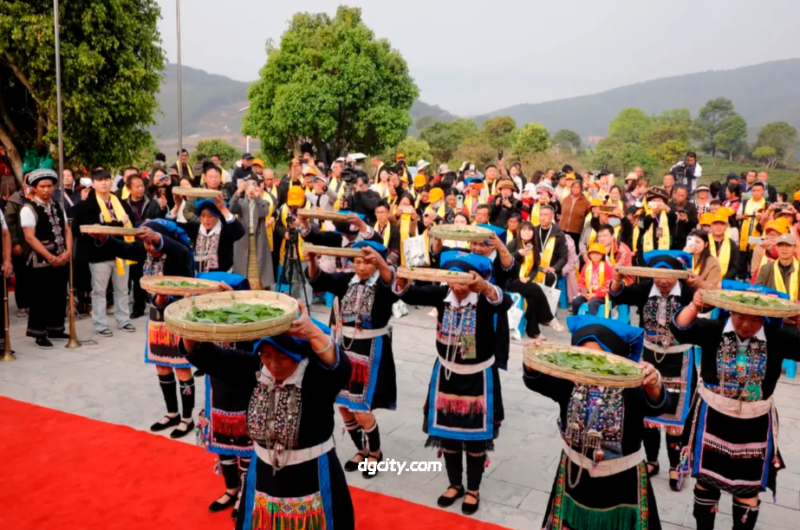
Hani textile arts, while less famous than the terraces themselves, demonstrate sophisticated adaptation to mountain environment and cultural needs. traditional Hani clothing features indigo-dyed fabrics with distinctive Embroidery patterns that vary by subgroup and village. Women’s costumes typically include embroidered jackets, pleated skirts, leggings, and elaborate headdresses decorated with silver ornaments, beads, and feathers. The embroidery motifs often represent elements of the terrace landscape—water patterns, rice plants, terraced fields—as well as symbolic animals and geometric designs with protective meanings. Weaving techniques produce sturdy fabrics suitable for agricultural work, using locally grown cotton and hemp processed with traditional methods. Natural dyeing, primarily with indigo but also with other plant materials, creates the characteristic deep blue colors that distinguish Hani textiles. Contemporary Hani weavers and embroiderers balance preservation of traditional patterns with innovation for modern markets, creating fashion items, accessories, and art pieces that carry terrace-inspired aesthetics to wider audiences. Several women’s cooperatives in Yuanyang and Honghe counties market traditional textiles while providing economic opportunities that help sustain craft knowledge transmission.
Bamboo and wood crafts play essential roles in Hani daily life and agricultural practices, with techniques refined over centuries of mountain living. bamboo crafts include baskets for carrying harvests, containers for storage, mats for drying grains, fishing traps, and various household utensils. The craft demonstrates remarkable technical mastery, with different bamboo species selected for specific properties and weaving techniques creating both functional strength and aesthetic patterns. Wood crafts encompass agricultural tools (plows, hoes, threshing equipment), household items (mortars, pestles, storage chests), and architectural elements for traditional Hani houses. The characteristic Hani “mushroom house” architecture, with its thatched roof resembling a mushroom cap, involves specialized Woodworking for the distinctive roof structure and supporting framework. These bamboo and wood crafts face challenges from industrial alternatives but are maintained by artisans who value traditional materials and methods for their cultural significance, environmental sustainability, and suitability to local conditions.
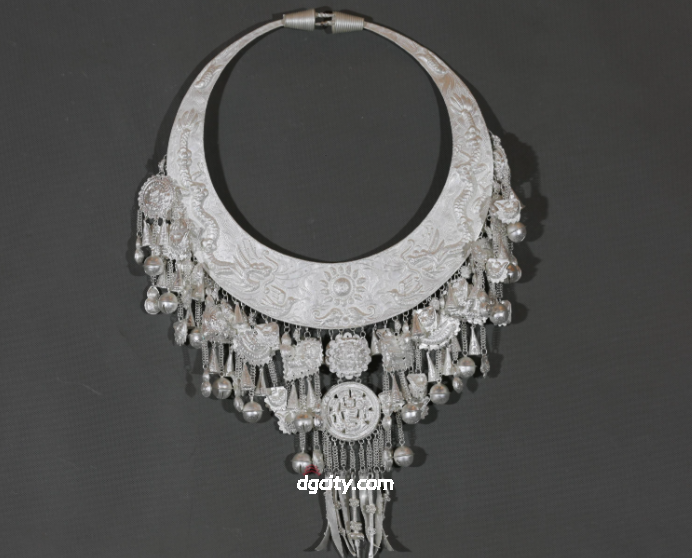
Hani silverwork, while less elaborate than some other ethnic groups, produces jewelry and decorative items that hold cultural significance within Hani society. traditional silver ornaments include necklaces, bracelets, earrings, and hairpins, often featuring simple geometric patterns or natural motifs. Silver also appears on costume elements like belt buckles and jacket closures. The craft’s social dimensions include silver’s role in marriage exchanges and as indicators of family wealth. Contemporary Hani silversmiths maintain traditional techniques while adapting to changing tastes, creating pieces that range from faithful reproductions of traditional designs to more contemporary interpretations. Several workshops in Yuanyang and surrounding villages demonstrate silver casting, forging, and finishing techniques, with opportunities for visitors to commission custom pieces or purchase from existing collections.
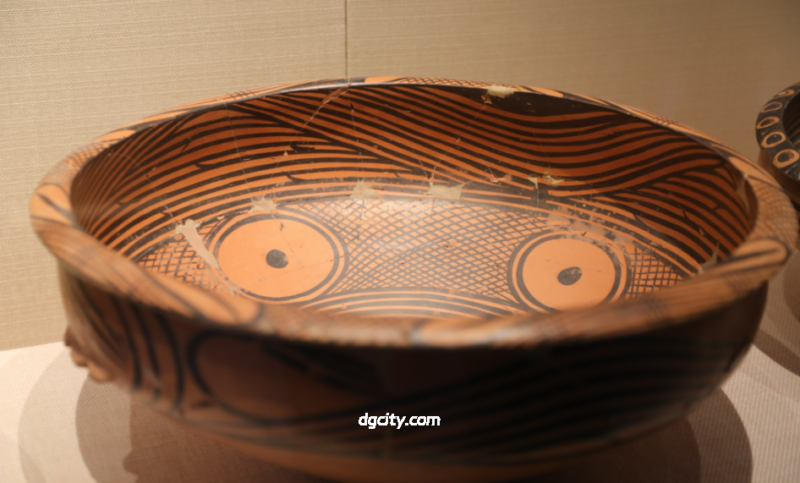
pottery and ceramic crafts in Honghe produce functional items for household and agricultural use, with forms optimized for the Hani lifestyle. Traditional Hani pottery includes cooking pots, water storage jars, fermentation vessels for rice wine, and containers for storing seeds or preserved foods. The pottery is typically unglazed earthenware, fired at relatively low temperatures using local clays and traditional kilns. Decoration is usually minimal, with some pieces featuring simple incised patterns or impressed designs. While modern alternatives have replaced much traditional pottery for everyday use, the craft is maintained by potters who supply ritual items for ceremonies and specialty items for cultural preservation. Related crafts include basketry using local grasses and reeds, producing items like winnowing baskets, grain storage containers, and ceremonial objects.
For visitors seeking hands-on experiences with Hani crafts, Honghe offers opportunities through cultural centers, homestay programs, and artisan cooperatives. The Yuanyang Rice Terrace Cultural Center organizes workshops where visitors can try basic bamboo weaving, learn simple Embroidery stitches, or participate in terrace maintenance activities under community guidance. Homestay programs in Hani villages sometimes include craft activities as part of cultural exchange, with families teaching traditional techniques like basket weaving or indigo dyeing. These interactive experiences, while necessarily introductory, provide deeper understanding of Hani craft traditions and their connections to agricultural life than passive observation alone.
Honghe’s craft markets range from small village gatherings where artisans sell directly to local communities to more organized venues catering to tourists. The Yuanyang Saturday market features Hani crafts alongside agricultural products and everyday goods, offering authentic selections at reasonable prices. The Duoyishu and Bada viewing areas for the terraces have craft stalls selling terrace-inspired items, though quality varies widely. For more discerning shoppers, several cooperatives run by Hani women sell directly to visitors, with better assurance of authenticity and fair compensation to makers. The annual Hani Terrace Culture Festival includes craft exhibitions and demonstrations, providing concentrated opportunities to encounter diverse Hani artistic traditions within the spectacular terrace landscape.
Hani craft traditions face significant challenges including youth migration to cities, competition from factory-made alternatives, and economic pressures that prioritize agricultural production over craft activities. However, several initiatives support sustainable preservation: terrace tourism that creates markets for authentic crafts, cultural education programs that teach traditional techniques in schools, and design collaborations connecting Hani artisans with wider markets. The UNESCO World Heritage status of the Honghe Hani Rice Terraces has raised awareness and support for preserving the complete cultural landscape, including its craft traditions. Visitors can support these efforts by purchasing authentic crafts directly from artisans or cooperatives, choosing items that reflect genuine terrace culture rather than generic souvenirs, and engaging respectfully with Hani crafts as expressions of a living agricultural civilization.
Whether learning about terrace construction techniques that have shaped breathtaking landscapes, admiring the intricate Embroidery patterns inspired by rice fields and water channels, trying hands-on bamboo weaving, or simply appreciating the functional beauty of traditional Hani tools and utensils, visitors to Honghe encounter craft traditions that embody sustainable relationships between people and land. The arts of Honghe offer windows into a worldview where craftsmanship serves subsistence needs, where aesthetic expressions grow from agricultural practices, and where artistic traditions maintain vital connections to one of humanity’s most remarkable achievements in landscape engineering. For travelers seeking to understand how craft traditions can emerge from and sustain agricultural civilizations, Honghe’s artistic heritage provides essential perspectives on integration, adaptation, and resilience in mountain environments.




暂无评论内容