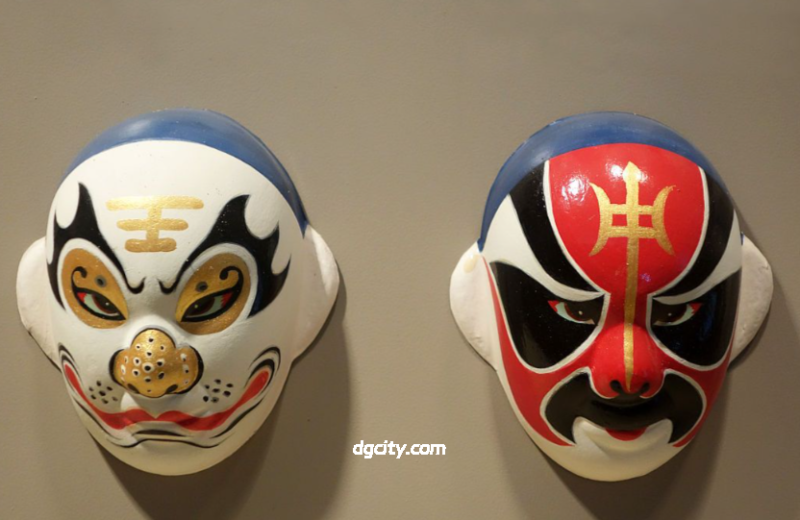





The meticulous practice of Beijing Opera masks in Beijing (北京) has produced works of such exceptional quality that they have become synonymous with the artistic reputation of North China.
Gender dynamics in the practice of Beijing Opera masks have varied historically and continue to evolve, reflecting broader social patterns while also shaping them. Understanding these gender dimensions provides insights into the craft’s social organization, knowledge transmission, and cultural meanings.
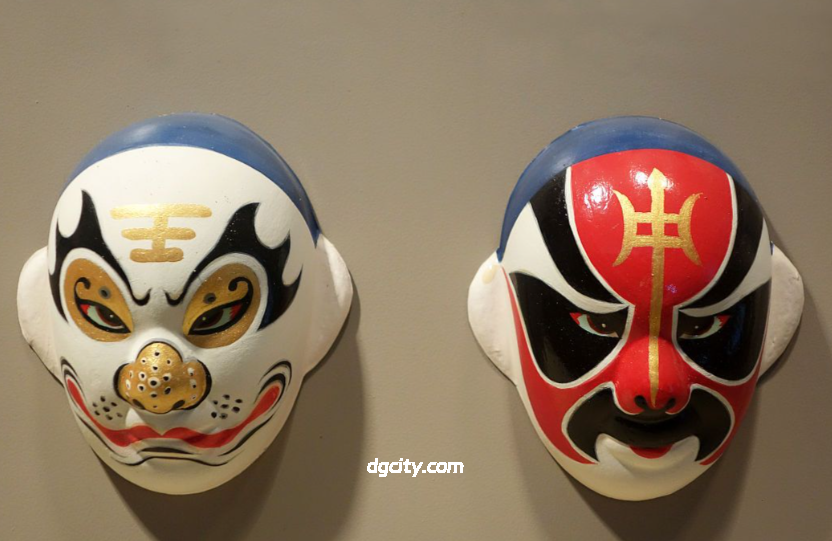
The technical complexity of Beijing Opera masks in Beijing is matched only by its artistic sophistication. Artisans must balance functional requirements with aesthetic considerations, often working within established traditions while also expressing individual creativity. The techniques employed have been passed down through master-apprentice relationships, with each generation adding their own innovations while respecting the fundamental principles of the craft. This delicate balance between preservation and innovation is what gives Beijing’s beijing opera masks its distinctive character and enduring appeal.
The historical development of beijing opera masks in Beijing can be traced through archaeological evidence, historical documents, and oral traditions that span multiple dynasties and cultural periods. Early examples discovered in tombs and archaeological sites reveal that the basic techniques and aesthetic principles were established centuries ago, with subsequent generations refining and elaborating upon this foundation. The craft’s evolution has been influenced by various historical factors, including trade relationships, political changes, technological innovations, and cultural exchanges with neighboring regions. Particular historical periods saw significant developments in beijing opera masks, often associated with royal patronage, religious institutions, or economic prosperity that supported artistic production.
The materials used in Beijing’s beijing opera masks are carefully selected for their specific qualities and symbolic associations. Local materials are typically preferred, not only for practical reasons of availability but also because they establish a direct connection between the craft and its geographical context. The preparation of these materials is itself an art form, requiring knowledge of natural properties, seasonal variations, and traditional processing methods. The techniques employed in beijing opera masks represent a cumulative body of knowledge developed through centuries of experimentation and refinement. Each technical step has been optimized for both practical effectiveness and aesthetic results, with subtle variations distinguishing the work of different masters or regional schools within Beijing.
The cultural meanings associated with beijing opera masks in Beijing operate on multiple levels, from overt symbolism in decorative motifs to more subtle expressions of aesthetic principles and worldviews. The craft serves as a tangible link to ancestral traditions, a means of cultural education for younger generations, and a statement of cultural identity in relation to other regions and communities. In contemporary contexts, beijing opera masks has taken on additional meanings related to cultural preservation, sustainable development, and resistance to cultural homogenization. The craft’s cultural significance is not static but evolves as practitioners and communities reinterpret traditional meanings in light of changing circumstances and new understandings.
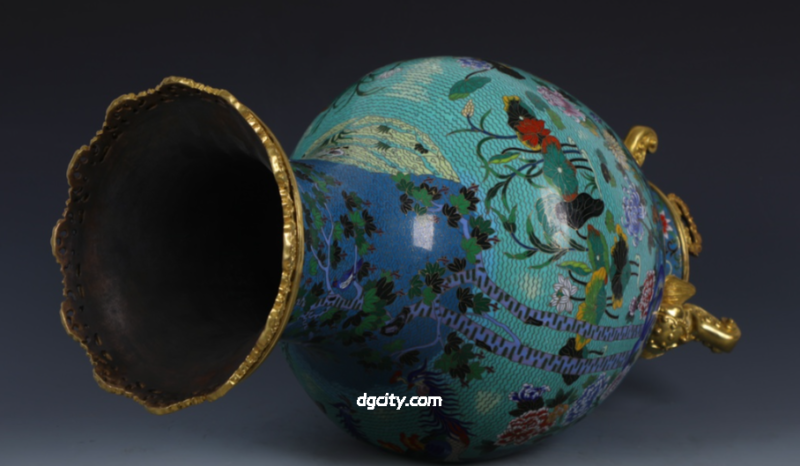
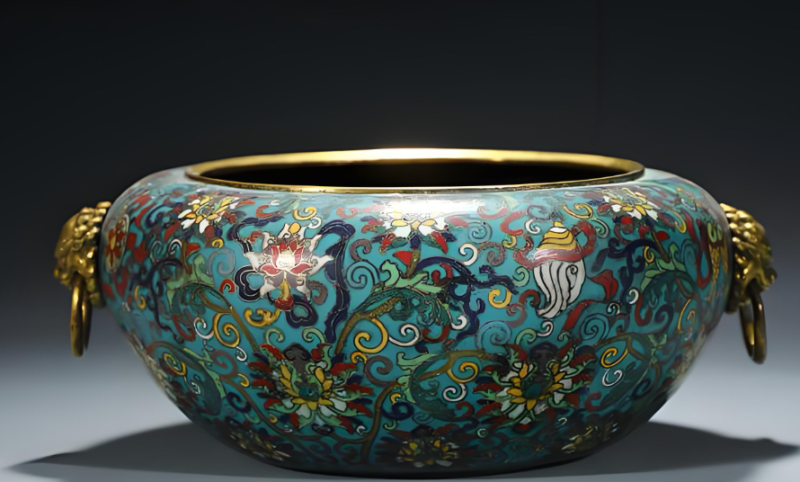
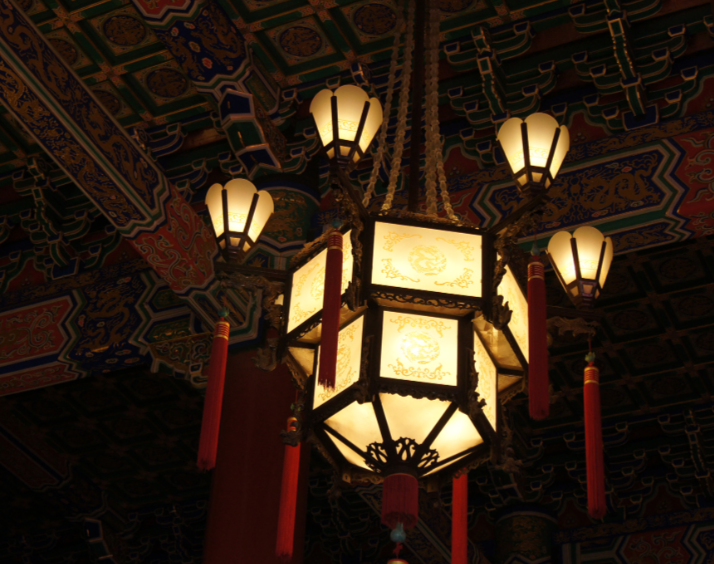
While beijing opera masks represents a particularly prominent tradition, Beijing is also home to other significant crafts that complement and contextualize its artistic heritage. The practice of cloisonné shares certain historical roots and cultural contexts with beijing opera masks, while developing its own distinctive techniques and aesthetic expressions. The practice of palace lanterns shares certain historical roots and cultural contexts with beijing opera masks, while developing its own distinctive techniques and aesthetic expressions.
The current practice of beijing opera masks in Beijing reflects broader trends in the revitalization of traditional crafts worldwide. While some artisans maintain strictly traditional approaches, focusing on historical accuracy and technical purity, others are engaged in creative reinterpretation that connects the craft with contemporary concerns and aesthetics. This spectrum of practice demonstrates the craft’s adaptability and continued relevance. Issues of cultural appropriation, intellectual property, and fair compensation have become increasingly important as beijing opera masks gains visibility beyond its traditional context. The development of ethical frameworks and sustainable business models represents an important aspect of the craft’s contemporary evolution.
For travelers interested in experiencing beijing opera masks firsthand, Beijing offers various opportunities to engage with this living tradition. Visitors can observe master artisans at work in their studios, participate in hands-on workshops designed for different skill levels, and visit specialized Museums or cultural centers that showcase historical and contemporary examples. Many communities organize festivals or markets focused specifically on beijing opera masks, providing concentrated opportunities to see diverse examples, meet multiple practitioners, and purchase authentic works. Responsible tourism initiatives are developing that ensure visitors’ engagement supports rather than disrupts traditional practice, with benefits flowing back to artisan communities.
The materials used in beijing opera masks are understood not as neutral substances but as partners in the creative process, each with its own qualities, histories, and relationships to place. The sourcing, preparation, and transformation of materials involve knowledge of natural properties, seasonal variations, and traditional processing methods that are integral to the craft’s identity and quality.
Regional variations in the practice of beijing opera masks within Beijing create a fascinating diversity of styles and techniques. Different villages, families, or individual masters may develop distinctive approaches based on local materials, historical circumstances, or personal innovations. These variations enrich the craft tradition while maintaining its essential identity.
Regional variations in the practice of beijing opera masks within Beijing create a fascinating diversity of styles and techniques. Different villages, families, or individual masters may develop distinctive approaches based on local materials, historical circumstances, or personal innovations. These variations enrich the craft tradition while maintaining its essential identity.
Beijing Opera masks in Beijing represents more than a technical skill or artistic tradition—it is a living connection to cultural heritage, a medium for creative expression, and a testament to human ingenuity in transforming materials into meaning. As the craft continues to evolve in response to contemporary challenges and opportunities, it maintains its essential character while demonstrating remarkable adaptability. For practitioners, patrons, and observers alike, engagement with beijing opera masks offers insights into the complex interplay between tradition and innovation, individual creativity and cultural continuity, local specificity and universal human values. The ongoing practice of this craft in Beijing serves as a reminder of the enduring importance of handmade quality, cultural knowledge, and the deep human need to create objects that are both useful and beautiful.




暂无评论内容