




The art of Nanchang Embroidery represents one of the most distinctive and cherished traditions in Jiangxi (江西), a craft that has been refined over centuries within the cultural context of East China.
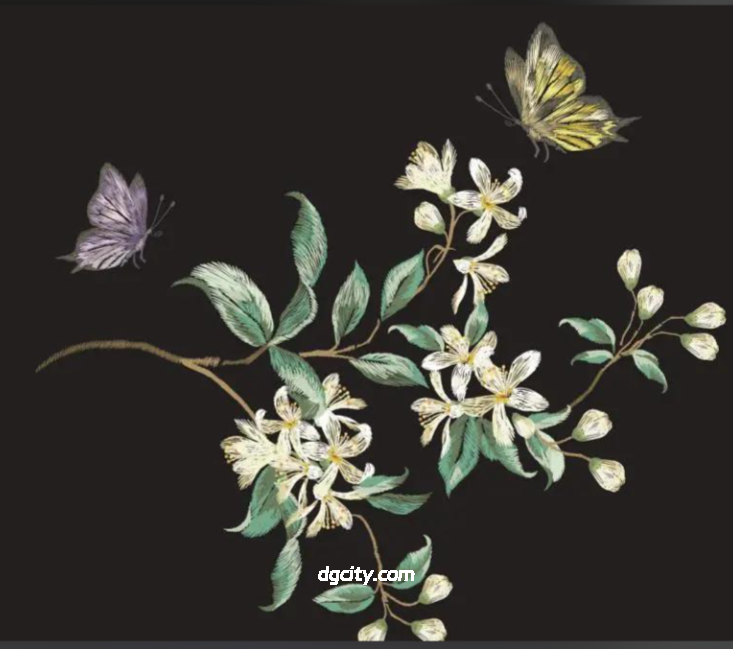
The sensory dimensions of Nanchang Embroidery—its visual appearance, tactile qualities, sometimes even sounds or smells—contribute significantly to its aesthetic impact and cultural meaning. These sensory characteristics are not accidental but result from deliberate choices in materials, techniques, and finishing processes.
The tools used in Nanchang Embroidery are themselves products of cultural and technical evolution, each designed for specific tasks within the craft’s process. The relationship between artisan and tool is often intimate and highly developed, with tools becoming extensions of the artisan’s skill and intention.
The technical complexity of nanchang embroidery in Jiangxi is matched only by its artistic sophistication. Artisans must balance functional requirements with aesthetic considerations, often working within established traditions while also expressing individual creativity. The techniques employed have been passed down through master-apprentice relationships, with each generation adding their own innovations while respecting the fundamental principles of the craft. This delicate balance between preservation and innovation is what gives Jiangxi’s nanchang embroidery its distinctive character and enduring appeal.
The historical development of nanchang embroidery in Jiangxi can be traced through archaeological evidence, historical documents, and oral traditions that span multiple dynasties and cultural periods. Early examples discovered in tombs and archaeological sites reveal that the basic techniques and aesthetic principles were established centuries ago, with subsequent generations refining and elaborating upon this foundation. The craft’s evolution has been influenced by various historical factors, including trade relationships, political changes, technological innovations, and cultural exchanges with neighboring regions. Particular historical periods saw significant developments in nanchang embroidery, often associated with royal patronage, religious institutions, or economic prosperity that supported artistic production.
The materials used in Jiangxi’s nanchang embroidery are carefully selected for their specific qualities and symbolic associations. Local materials are typically preferred, not only for practical reasons of availability but also because they establish a direct connection between the craft and its geographical context. The preparation of these materials is itself an art form, requiring knowledge of natural properties, seasonal variations, and traditional processing methods. The techniques employed in nanchang embroidery represent a cumulative body of knowledge developed through centuries of experimentation and refinement. Each technical step has been optimized for both practical effectiveness and aesthetic results, with subtle variations distinguishing the work of different masters or regional schools within Jiangxi.
The cultural meanings associated with nanchang embroidery in Jiangxi operate on multiple levels, from overt symbolism in decorative motifs to more subtle expressions of aesthetic principles and worldviews. The craft serves as a tangible link to ancestral traditions, a means of cultural education for younger generations, and a statement of cultural identity in relation to other regions and communities. In contemporary contexts, nanchang embroidery has taken on additional meanings related to cultural preservation, sustainable development, and resistance to cultural homogenization. The craft’s cultural significance is not static but evolves as practitioners and communities reinterpret traditional meanings in light of changing circumstances and new understandings.
While nanchang embroidery represents a particularly prominent tradition, Jiangxi is also home to other significant crafts that complement and contextualize its artistic heritage. The practice of Jingdezhen porcelain shares certain historical roots and cultural contexts with nanchang embroidery, while developing its own distinctive techniques and aesthetic expressions. The practice of bamboo crafts shares certain historical roots and cultural contexts with nanchang embroidery, while developing its own distinctive techniques and aesthetic expressions.
In the contemporary context, nanchang embroidery in Jiangxi faces both challenges and opportunities. Economic pressures, changing lifestyles, and competition from mass-produced alternatives have threatened the viability of traditional practice, while at the same time growing interest in handmade quality, cultural authenticity, and sustainable consumption has created new markets and appreciation. Many contemporary practitioners are navigating this complex landscape by developing hybrid approaches that combine traditional techniques with contemporary designs, exploring new applications for traditional skills, and engaging with digital platforms for marketing and community building. Institutional support from cultural organizations, educational programs, and government initiatives has played a crucial role in sustaining nanchang embroidery through this period of transition.
The growing field of craft tourism in Jiangxi has created structured ways for visitors to connect with nanchang embroidery. Specialized tours focus on different aspects of the craft—from material sourcing and traditional workshops to contemporary studios and retail outlets. These experiences are designed to provide not just superficial exposure but meaningful understanding of the craft’s technical complexity, cultural context, and contemporary challenges. Many programs include opportunities for direct interaction with artisans, allowing for questions, demonstrations, and sometimes participatory activities. For travelers seeking authentic cultural experiences, engagement with nanchang embroidery offers insights into both a specific artistic tradition and broader aspects of Jiangxi’s cultural heritage.
Regional variations in the practice of nanchang embroidery within Jiangxi create a fascinating diversity of styles and techniques. Different villages, families, or individual masters may develop distinctive approaches based on local materials, historical circumstances, or personal innovations. These variations enrich the craft tradition while maintaining its essential identity.
Intergenerational transmission of knowledge in nanchang embroidery follows pathways that are both practical and symbolic. The master-apprentice relationship involves not just technical instruction but also the transmission of values, attitudes, and ways of seeing that are essential to the craft’s practice. This educational process embodies cultural ideals of patience, respect, gradual mastery, and the balance between following tradition and developing individual expression.
The story of nanchang embroidery in Jiangxi is one of resilience, creativity, and cultural significance. From its historical origins to its contemporary practice, the craft has adapted to changing circumstances while maintaining its core identity and values. It represents a particular way of engaging with materials, tools, and aesthetic principles that has been refined over generations, yet remains open to new interpretations and applications. As both a practical skill and a cultural expression, nanchang embroidery continues to enrich the lives of those who practice it and those who appreciate its results. Its preservation and development contribute not only to Jiangxi’s cultural heritage but also to the global diversity of human creativity and craftsmanship.




暂无评论内容