




On the brilliant stages of Peking Opera and other traditional operas, costumes and props are important carriers that endow roles with soul. As a comprehensive intangible heritage craft integrating Embroidery, sewing, lacquering and shaping, Beijing Opera Costume and Prop Making covers all categories including opera costumes, helmet headdresses, props, boots and shoes. Originating in Suzhou in the Ming Dynasty and further developed locally in Beijing, it has precipitated for hundreds of years, integrating royal luxury and opera aesthetics into every stitch and every object, becoming a treasure carrying Chinese ritual Culture and stage art. For foreign travelers, exploring this craft is the most intuitive way to understand the texture of Peking Opera and the essence of old Beijing’s handcrafts.
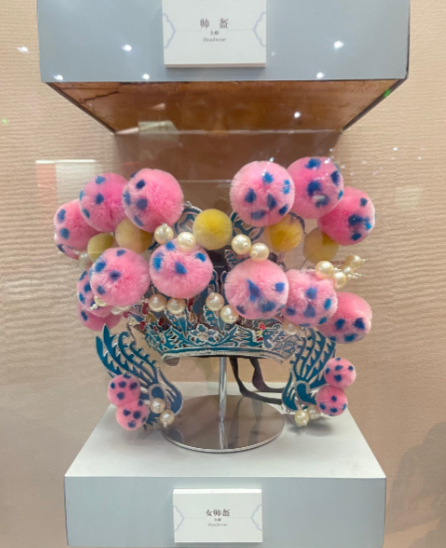
The origin of Beijing Opera Costume and Prop Making can be traced back to the Ming Dynasty, initially emerging in Suzhou. At that time, Suzhou opera costumes were famous for exquisite Embroidery and elegant patterns, becoming the first choice for customization by famous artists such as the Four Great Dan of Peking Opera. In 1919 (the 8th year of the Republic of China), Mr. Mei Lanfang prepared for a performance in Japan. Since traditional Suzhou costumes were not consistent with the character temperament of operas such as “Goddess Scattering Flowers” and “Drunken Beauty”, he invited Li Chun from Beijing Dechunhou Embroidery Bureau to design and make opera costumes, which marked the beginning of Beijing’s undertaking of opera costume production.
Later, Li Chun cooperated with experts to open the first “Sanshun Opera Costume Shop” in Xicao Shi, initiating the chapter of Beijing’s opera costume and prop industry. In the 1930s, more than 30 various costume shops gathered in Xicao Shi. The four major opera costume shops including “Sanshun”, “Jiuchun”, “Shuangxing” and “Deguang” were renowned far and wide, and brands such as “Kuitou Liu” (Liu’s Helmet Headdresses) and “Bazi Xu” (Xu’s Weapons) gradually took shape, becoming exclusive customization places for famous opera actors. Celebrities such as Ma Lianliang and Hao Shouchen all customized costumes here. Mr. Ma Lianliang also innovatively changed traditional jade belts to gold and silver thread inlay, reducing weight and making them more elegant, forming the “Ma-style Jade Belt” that has been passed down to this day.
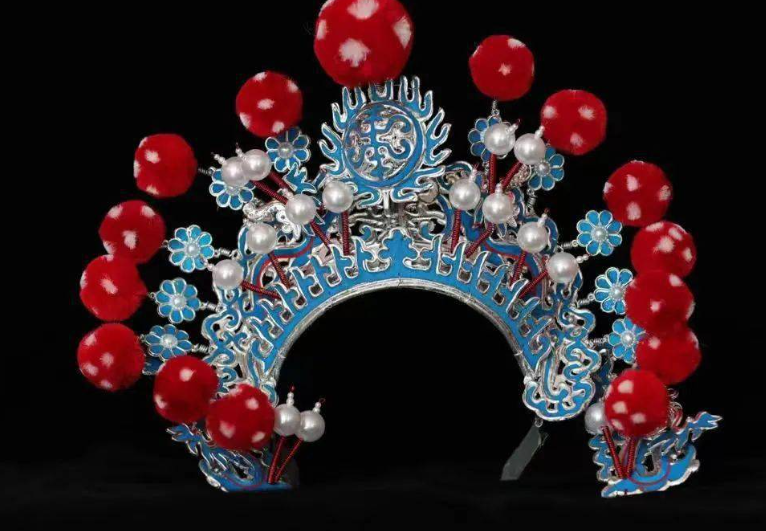
As early as the Yuan and Ming dynasties, there were “helmet workshops” and “helmet lanes” in Beijing, and there are many records of helmet making in the archives of the Qing Dynasty Shengping Department, which shows the profound foundation of this craft. In 2021, the opera helmet making technique was included in the fifth batch of national intangible cultural heritage list as an extended project.
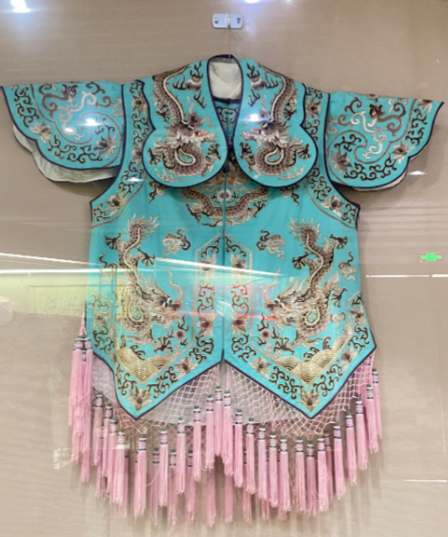
The exquisiteness of opera costume and prop making lies in the ultimate polishing of subdivided categories, among which the craftsmanship of opera costumes and helmet headdresses is the most representative. Opera costume making integrates various embroidery methods such as Su embroidery and Xiang embroidery, using high-quality silk from Hangzhou as raw material, through dozens of processes including pattern drawing, embroidery, cutting and sewing. Pattern design strictly follows the character’s identity——imperial dragon robes are embroidered with twelve chapter patterns with gold thread, dan roles’ colorful costumes are inlaid with flower and bird interlocking patterns, and jing roles’ costumes are matched with exaggerated patterns with intense colors. Every detail implies identity marks. When embroidering, the density of stitches must be accurately controlled. Between the interweaving of gold and colored threads, the patterns have both three-dimensional sense and luster. A high-quality opera costume often takes craftsmen months or even years to complete.
Helmet headdress making is divided into two major technical systems: hard work and soft work, with complex and sophisticated processes. Hard work includes pattern smoking, arrowhead making, wire inlay, gold pasting, kingfisher feather inlay and other steps. From pattern rubbing, skeleton shaping to lacquering and gold pasting, each step requires precise control. The kingfisher feather inlay process is particularly precious, using natural kingfisher feathers for pasting and decoration to show luxury. Soft work includes tire stacking, wire pinching, face plate making, etc., mostly used for soft tire hats such as Luo hats and scholar scarves, which not only retain the practicality of daily hats but also adapt to stage performance needs. The helmet making technique inherited by the Li family is the most representative, passed down from the late Qing court craftsman “Palace Man” to Li Jizong, spanning five generations of family inheritance, retaining ancient craftsmanship and adapting to the style needs of various opera genres.
Today, this craft is revitalized under the persistence of inheritors. As the fifth-generation inheritor of Li’s helmet headdresses, Li Jizong not only adheres to the family’s ancient craftsmanship but also recruits disciples to expand the inheritance team through oral and practical teaching, completely inheriting the gold pasting, kingfisher feather inlay of hard tire helmets and wire pinching of soft tire hats. The time-honored Dechanghao run by Xu Zhenhai, the inheritor of “Bazi Xu”, still operates. Beijing Opera Costume Factory, as the largest opera costume and prop production enterprise in China, continues the technical context of Xicao Shi. Young inheritors try to integrate traditional patterns into modern design, developing cultural and creative products with opera costume patterns, making ancient craftsmanship close to contemporary life.
To experience the charm of opera costumes and props immersively, two places are a must-visit. Xicao Shi Street gathers 13 time-honored opera costume shops. Wandering here, you can appreciate various finished opera costumes and helmet headdresses, and feel the craftsman atmosphere of old shops up close. Tianle Garden Theater in Xianyukou Hutong, Qianmen Street, as the world’s first national essence Peking Opera experience hall, not only displays Peking Opera costumes, kaoqi (back flags), toumian (head ornaments) and other exhibits but also offers experiences such as changing clothes and making up, learning opera movements from professional teachers, exploring the technical secrets behind the stage. In addition, the resident fashion Peking Opera “Liangxiang” (Appearance) in Tianle Garden combines traditional opera costumes with modern technology, allowing travelers to intuitively feel the vivid beauty of opera costumes on stage.
From Suzhou embroidery threads to Beijing workshops, from imperial customization to stage display, Beijing opera costumes and props carry not only a handcraft but also the cultural context of traditional opera and the ultimate expression of Eastern aesthetics. Every stitch of embroidery contains the spirit of the role, every helmet reflects the mark of the times, and every prop continues the legend of opera performances. When you touch the exquisite texture of the opera costume, you can understand the profound heritage of Peking Opera and feel this centuries-old craftsmanship and warmth.



暂无评论内容